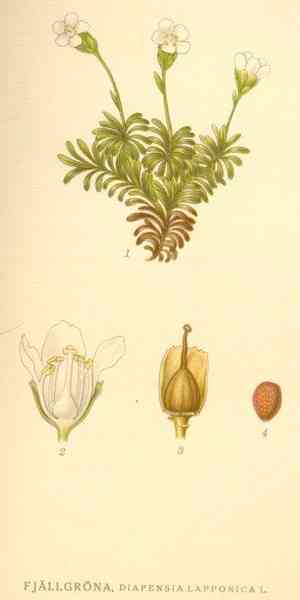
Diapensia (Diapensia) (Diapensia)
Also known as: Diapensia lapponica, Diapensia obovata
Diapensia is a genus of small, perennial, evergreen shrubs found in alpine and arctic regions. They are known for their hardiness and ability to survive in harsh environments, typically forming low, dense cushions on rocky ground.
In This Article
Attributes of Diapensia (Diapensia)
Lifespan
Perennial
Plant Height
5-15 cm (2-6 inches)
Spread
Up to 30 cm (12 inches)
Leaf Color
Dark green
Flower Size
1-2 cm (0.4-0.8 inches)
Flower Color
White
Images of Diapensia (Diapensia)
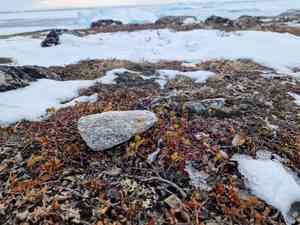
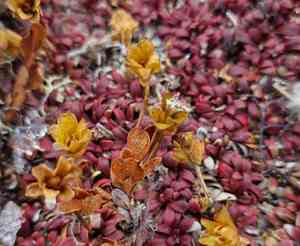
Quickly Identify Diapensia (Diapensia)
1
Diapensia can be identified by its dense, cushion-like growth habit, small oval to rounded leaves, and white flowers with five petals that appear in late spring to early summer.
Scientific Classification of Diapensia (Diapensia)
Phylum
Magnoliophyta
Class
Magnoliopsida
Order
Ericales
Family
Diapensiaceae
Genus
Diapensia
Planting and Growing of Diapensia (Diapensia)
Care Difficulty
Hard
Watering Schedule
Every 2 days
Sunlight Requirements
Partial sun
Sunshine Duration
6-10 hours
Ideal Temperature
50-68℉
Soil Type
Potting Mix, Peat Mix
Soil pH
5.5-6.5
Fertilizer Type
Balanced
Pruning Season
Spring, Summer
Pruning Area
Branches, Leaves
Pruning Frequency
2 times a year
Repotting Season
Spring
Pot Type
Plastic, Ceramic
 How to Water Diapensia (Diapensia)?
When watering Diapensia, it’s essential to ensure the soil is adequately moist but not waterlogged. The general principle is to water deeply and allow the topsoil to dry slightly between waterings. This encourages the roots to grow deeper and ensures hydration without the risk of root rot.
What are the symptoms of an underwatered Diapensia (Diapensia)?
›
What should I do if my Diapensia (Diapensia) is not getting enough water?
›
What are the symptoms of an overwatered Diapensia (Diapensia)?
›
How to save an overwatered Diapensia (Diapensia)?
›
 What Are the Sunlight Requirements for Diapensia (Diapensia)?
Diapensia flourishes in partial sun, with an optimal light range of 3 to 6 hours daily. This ensures robust growth, vibrant colors, and resistance to diseases, creating a lush and vibrant plant appearance.
How much sunlight does it need?
›
What are the solutions for ideal light?
›
What are the benefits of ideal light?
›
 What Is the Ideal Temperature Range for Diapensia (Diapensia)?
Diapensia thrives best in a temperature range of 50 to 68°F. This range mimics its native cool and temperate alpine environments, where it is able to grow robustly. Maintaining the temperature within this range ensures that the plant's physiological processes function optimally, promoting healthy growth and blooming.
 What Soil is Best for Diapensia (Diapensia)?
Diapensia thrives in soils that are rich in organic matter. The presence of decomposed leaves and peat can significantly enhance the nutrient availability, promoting healthy growth and vibrant blooms. The soil must be well-draining to prevent waterlogging. This ensures the roots are not sitting in water, which could lead to root rot. Sandy components are excellent for facilitating drainage. Diapensia prefers slightly acidic soils, around a pH of 5.5 to 6.5. Acidic conditions enhance the availability of essential nutrients such as iron and magnesium, leading to robust growth.
 How to Fertilize Diapensia (Diapensia)?
Diapensia plants require careful fertilization as they are sensitive to overfeeding. Use a balanced, water-soluble fertilizer at half the recommended strength. Apply sparingly, ensuring not to overwhelm the plant's delicate root system.
 How to Prune Diapensia (Diapensia)?
Start by removing any dead or damaged leaves to allow sunlight and air to reach the center of the plant. Use sharp, sterilized scissors to trim away overgrown or leggy stems, cutting just above a leaf node to encourage new growth. Make sure to maintain a natural shape for Diapensia, avoiding excessive cuts which could stress the plant. It’s essential that pruning is done methodically and cleanly to prevent infections. In late summer, perform a more thorough pruning to stimulate a new flush of growth. Trim up to one-third of the plant’s size, focusing on older woody stems that may be inhibiting fresh shoots. This kind of pruning boosts plant vigor and enhances blooming potential for the next season. Ensure you're cutting back to healthy, green tissue—this will rejuvenate the plant while promoting a fuller and more blooming-filled appearance.
 How to Propagate Diapensia (Diapensia) plant?
1
Before sowing, soak the diapensia seeds in lukewarm water for 24 hours to enhance germination rates. This process softens the seed coat and initiates the germination process.
2
Select healthy, disease-free stems and cut segments of about 3-5 inches long. Remove the leaves from the lower half to reduce moisture loss and dip the cut end in rooting hormone.
3
Carefully dig up mature plants and separate root clumps using your hands or a knife. Ensure each division has a significant amount of roots and foliage. Replant immediately in desired locations.
 How to Repot Diapensia (Diapensia) plant?
1
Diapensia shows signs of requiring repotting when the roots begin to grow through the drainage holes or the plant appears stunted. These signs, usually noticeable in spring or autumn, indicate that the plant needs more room to grow, making these seasons ideal for repotting due to mild temperatures that foster root establishment.
2
Select a pot with excellent drainage, preferably one size larger than the current container. A good pot allows for proper soil aeration, promoting healthier root growth. Avoid using pots that are excessively large, as this can lead to waterlogged soil, which is detrimental to Diapensia's growth.
3
Opt for a well-draining acid soil mix to replicate Diapensia's natural alpine habitat. Such soil ensures that moisture doesn't accumulate around the roots, preventing root rot. Look for a mix with components like peat moss and perlite, which support a balance between aeration and moisture retention.
Learn More About Diapensia (Diapensia) Diseases
Anthracnose
Bacterial Leaf Spot
Bacterial Wilt
Chemical Injury
Crown Gall
Cyst Nematode
Damping-off
Downy Mildew
Drought Stress
Fusarium Wilt
Gray Mold
Leaf Spot
Mosaic
Nutrient Deficiency
Nutrient Toxicity
Powdery Mildew
Root Rot
Root-knot Nematode
Rusts
Sooty Mold
Spider Mites
Temperature Stress
Thrips Damage
White Mold

