Dianthus (Dianthus)(Dianthus)

Dianthus (Dianthus) (Dianthus)

Also known as: Pinks, Carnations, Sweet William

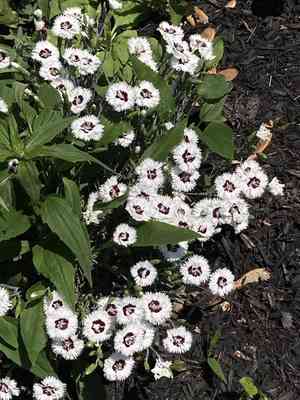
Dianthus flowers, which come in annual, perennial, and biennial varieties, are beloved by gardeners for their diverse and vibrant blooms. These flowers feature a range of petal shapes and sizes, often showcasing a distinctive fringed edge. Their sweet, spicy fragrance adds an aromatic charm, enhancing their visual appeal. Additionally, their ease of care and adaptability to different garden environments make them a popular choice.

Attributes of Dianthus (Dianthus)

Lifespan
Perennial
Plant Height
1.2 m to 91 cm
Spread
30 cm to 60 cm
Leaf Color
Green, Blue-green
Flower Size
2.5 cm to 8 cm
Flower Color
Pink, red, white, purple, bi-colored

ForwardPlant - Identify plants with a snap

Identify and diagnose plants, get toxicity alerts, and explore safety guides for all types of fungi.

Try for Free

Images of Dianthus (Dianthus)

Dianthus (Dianthus)(Dianthus)

Quickly Identify Dianthus (Dianthus)

1
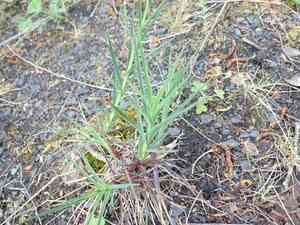
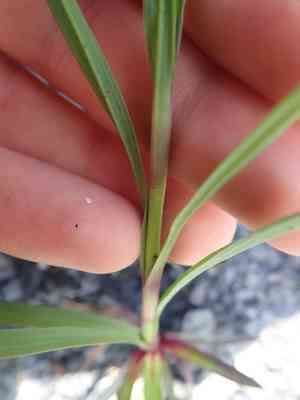
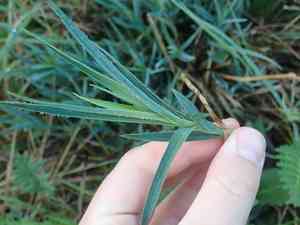
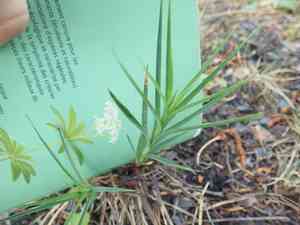
Dianthus can be identified by their narrow, green or blue-green leaves arranged opposite each other. They produce fragrant flowers with frilled or serrated edges, often in shades of pink, red, white, and purple.

Scientific Classification of Dianthus (Dianthus)

Phylum
Tracheophyta
Class
Magnoliopsida
Order
Caryophyllales
Family
Caryophyllaceae
Genus
Dianthus

Planting and Growing of Dianthus (Dianthus)

Care Difficulty
Moderate
Watering Schedule
Every 3 days
Sunlight Requirements
Full sun
Sunshine Duration
4-8 hours
Ideal Temperature
60-70℉
Soil Type
Potting Mix, Peat Mix
Soil pH
6.5-7.5
Fertilizer Type
Balanced
Pruning Season
Spring, Summer
Pruning Area
Branches, Leaves
Pruning Frequency
Once a year
Repotting Season
Spring
Pot Type
Plastic, Ceramic

water icon How to Water Dianthus (Dianthus)?

Dianthus should be watered until the soil is moist but not waterlogged. It's crucial to let the top inch of soil dry out between watering to prevent root rot. A gentle soaking ensuring around 250ml per pot is generally sufficient.
What are the symptoms of an underwatered Dianthus (Dianthus)?
What should I do if my Dianthus (Dianthus) is not getting enough water?
What are the symptoms of an overwatered Dianthus (Dianthus)?
How to save an overwatered Dianthus (Dianthus)?

sunlight icon What Are the Sunlight Requirements for Dianthus (Dianthus)?

Sunlight Requirements: Full sun, Partial sun
Duration of light: 4 to 6 hours daily
Dianthus ideally requires full to partial sun, ensuring it benefits from 4-6 hours of sunlight daily. This light exposure fosters healthy blooming and strong plant development.
What is the best light environment for Dianthus?
How can I achieve the ideal light conditions?
What benefits arise from ideal lighting for Dianthus?

temperature icon What Is the Ideal Temperature Range for Dianthus (Dianthus)?

Ideal Temperature: 60 ~ 70℉
The ideal temperature range of 60-70°F is crucial for Dianthus because it supports optimal metabolic processes and growth patterns. Within this range, the plant can efficiently photosynthesize and absorb nutrients, leading to robust health and vibrant blooms. Maintaining these temperatures ensures that Dianthus is not stressed by extreme cold or heat, which could hinder its growth or lead to potential health issues.

soil icon What Soil is Best for Dianthus (Dianthus)?

Soil type: Loam, Sandy loam
Soil PH: 6.5 ~ 7.5
Dianthus requires soil that drains well to prevent root rot. Proper drainage ensures that excess water does not accumulate, which is crucial for the health of the plant's root system. A nutrient-rich substrate provides Dianthus with essential minerals and nutrients. This promotes vibrant blooms and robust growth, enhancing the plant's aesthetic appeal. While excellent drainage is important, the soil should also retain some moisture to ensure the plant receives consistent hydration. This balance helps maintain healthy growth without the risk of waterlogging.

fertilize icon How to Fertilize Dianthus (Dianthus)?

Fertilizer type: Balanced
For Dianthus, a balanced 10-10-10 liquid fertilizer should be applied at half the recommended strength to avoid over-fertilization, ensuring the flowers maintain their vibrant colors and lush growth.

prune icon How to Prune Dianthus (Dianthus)?

Pruning Time: Spring, Summer, Autumn
Ensure that your pruning tools are sharp and clean before use. Dull blades can damage the plant tissue, leading to stunted growth or disease entry. Clean tools help prevent the spread of fungal infections and pests between plants. While regular pruning encourages robust flowering and keeps Dianthus in a good form, avoid pruning during extreme heat or just before a heavy frost, as this can stress the plant. It's best to prune in cool, mild weather to minimize shock and help the plant recover more efficiently.

propagate icon How to Propagate Dianthus (Dianthus) plant?

Propagate Time: Spring, Early spring, Late spring, Summer, Early summer
1
For seed propagation, prepare a well-draining soil mix and fill the trays. Ensure that the medium retains moisture but does not become waterlogged, as this can inhibit seed growth and development.
2
Sow the seeds evenly on the tray surface and cover them lightly with a thin layer of soil. Gently water to settle the soil and place the tray in a warm, sunny location to encourage germination.
3
Use sharp scissors to take 4-6 inch cuttings from healthy stems of the parent plant. Remove the lower leaves and dip the cut end in rooting hormone to stimulate root growth.

repot icon How to Repot Dianthus (Dianthus) plant?

Repotting frequency: Every 1-2 years
1
Repotting Dianthus is essential when you notice roots growing out of the drainage holes or when the plant appears stunted. Another sign is if water runs straight through without soaking. Ideally, repot in spring or summer when the plant is in its burgeoning growth phase, ensuring optimal recovery and adaptation to a new home.
2
Select a pot that is 1-2 inches larger in diameter than the current one, ensuring it has ample drainage holes to prevent water logging. A slightly larger pot will provide enough space for root expansion without overwhelming the plant. Ceramic or clay pots are ideal as they wick away excess moisture, helping maintain optimal soil conditions.
3
Opt for a loose, well-draining potting mix that encourages robust drainage and root health. Sandy loam or a mix containing perlite and peat moss offers excellent aeration, minimizing the risk of root rot while retaining adequate moisture around the roots for nutrition absorption.

ForwardPlant - Identify plants with a snap

Find the best spots for them to optimize their health, simply using your phone.

Try for Free

Toxicity of Dianthus (Dianthus)

Is Dianthus (Dianthus) toxic to humans?

Dianthus comprises unidentified toxic substances that can impact animals upon ingestion of its plant material. Additionally, direct interaction with a damaged plant may lead to skin irritation.

Is Dianthus (Dianthus) toxic to cat?

Dianthus species possess a mild toxicity to cats. All parts of Dianthus plants contain terpenoid saponins, which can lead to minor gastrointestinal issues like vomiting and diarrhea when ingested. Additionally, contact with the plant may cause slight skin irritation. Symptoms may include redness and swelling of the mouth and lips. If more severe symptoms such as weakness or dehydration arise, it is important to consult a veterinarian.

Is Dianthus (Dianthus) toxic to dog?

If a dog consumes any portion of the dianthus plant, it might experience mild gastrointestinal disturbances or skin irritation. While the plant's toxicity is lower compared to other garden varieties, it can still lead to stomach upset, diarrhea, and vomiting. The severity of treatment from a veterinarian may depend on the quantity ingested and the size of the dog, but ingestion is rarely life-threatening.


Identify toxic plants for your safety

Learn which plants are harmful to you and your pets, and make informed choices for a safer home!

Try for Free
WARNING
The judgment on toxicity and danger is for reference only. We DO NOT GUARANTEE any accuracy of such judgment. Therefore, you SHALL NOT rely on such judgment. It is IMPORTANT TO SEEK PROFESSIONAL ADVICE in advance when necessary.
More About Toxic Techniques