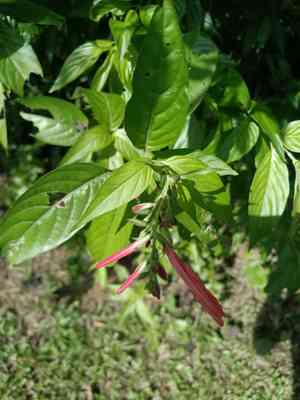
Dianthera secunda (Dianthera secunda)
Also known as: American Water-willow, American false pimpernel
Dianthera secunda is a perennial herbaceous plant known for its simple leaves and small flowers. It usually grows in moist environments.
In This Article
Attributes of Dianthera secunda
Lifespan
The Dianthera secunda is a perennial plant, which means it has a continuous growth cycle and can live for several years.
Plant Height
0.5-1m
Spread
0.5-1m
Leaf Color
Green
Flower Size
1-2cm
Flower Color
White to Lavender
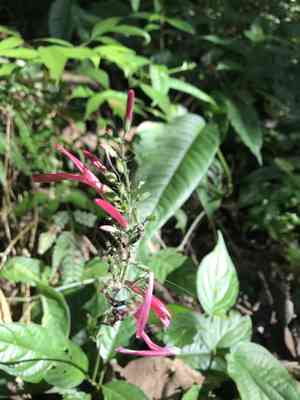
Images of Dianthera secunda
Quickly Identify Dianthera secunda
1
Look for small, trumpet-shaped flowers and simple, opposite leaves. It often grows along streams or in moist areas.
Scientific Classification of Dianthera secunda
Phylum
Angiosperms
Class
Magnoliopsida
Order
Lamiales
Family
Acanthaceae
Genus
Dianthera
Planting and Growing of Dianthera secunda
Watering Schedule
Every 2 days
Sunlight Requirements
Partial sun
Sunshine Duration
4-8 hours
Ideal Temperature
60-75℉
Soil Type
Potting Mix, Peat Mix
Soil pH
6.5-7.5
Fertilizer Type
Balanced
Pruning Season
Spring, Summer
Pruning Area
Branches, Leaves
Pruning Frequency
2 times a year
Repotting Season
Spring
Pot Type
Plastic, Ceramic
 How to Water Dianthera secunda?
For Dianthera secunda, ensure that you water deeply enough so that the soil is thoroughly moistened without becoming waterlogged. Aim for about 500 ml per watering session to maintain soil moisture, supporting healthy root growth.
What are the symptoms of an underwatered Dianthera secunda?
›
What should I do if my Dianthera secunda is not getting enough water?
›
What are the symptoms of an overwatered Dianthera secunda?
›
How to save an overwatered Dianthera secunda?
›
 What Are the Sunlight Requirements for Dianthera secunda?
Dianthera secunda thrives in partial sunlight, ideally receiving 4 to 6 hours. This ensures robust foliage and potential blooming, maintaining its aesthetic appeal and health.
What is the ideal lighting condition for Dianthera secunda?
›
How can I achieve the ideal lighting conditions indoors?
›
What are the benefits of these ideal lighting conditions?
›
 What Is the Ideal Temperature Range for Dianthera secunda?
The ideal temperature range for Dianthera secunda is between 60°F and 75°F, as this allows for optimal photosynthesis and nutrient absorption. This range promotes healthy growth and vibrant foliage, preventing stress-related issues.
 What Soil is Best for Dianthera secunda?
Dianthera secunda thrives in soils that prevent water from standing around its roots, which can lead to root rot. A well-draining soil type allows excess moisture to escape, promoting healthier root and plant growth. This plant prefers soils rich in nutrients, which support robust growth and vibrant blooms. Regularly amending the soil with organic matter can enhance its nutritional content, offering a plethora of benefits such as improved foliage and flower development. The soil should maintain some moisture to keep the plant hydrated but without becoming waterlogged. Sandy loam soils provide a perfect balance by holding sufficient moisture while still draining efficiently, creating an optimal growth environment.
 How to Fertilize Dianthera secunda?
For Dianthera secunda, a balanced fertilizer at half strength is recommended to prevent nutrient overload. Use about 1 teaspoon per gallon of water for liquid fertilizers. Ensuring the right amount not only promotes healthy growth but also prevents the plant from experiencing fertilizer burn.
 How to Prune Dianthera secunda?
Start by removing any dead or damaged branches using sharp and sterilized pruning shears. Cut the stems at a 45-degree angle just above a healthy leaf node to promote new growth. During the growing season, pinch back the tips of the stems to encourage lateral branching. This not only controls the size of the plant but also promotes a fuller appearance. Always prune in the morning when the plant is hydrated, making it less stressful for the plant.
 How to Propagate Dianthera secunda plant?
1
Choose a well-draining potting mix and fill your seed tray or pots. Ensure the soil is slightly moist before planting seeds or inserting cuttings to help them settle without becoming waterlogged.
2
Sow the seeds evenly in the prepared soil. Cover them lightly with soil and mist the surface gently with water to ensure soil contact. Keep them in a warm spot with indirect sunlight.
3
Select healthy stems for cuttings, making a 45-degree angled cut just below a node. Remove any lower leaves to reduce moisture loss and dip the cut end in rooting hormone before planting.
 How to Repot Dianthera secunda plant?
1
The ideal time to repot Dianthera secunda is when you notice root-bound growth or stunted development. Signs include roots circling the pot or poking out of drainage holes. Choose a warm day in spring or summer when the plant is naturally more resilient, ensuring its transition is as smooth as possible.
2
Select a pot 1-2 inches larger in diameter than the current one. Ensure it has adequate drainage holes to prevent waterlogging. A slightly larger pot provides enough room for growth without overwhelming the plant's root system, effectively balancing stability and space for root expansion.
3
Opt for a well-draining potting mix to replicate the natural airy environment for roots. A mix containing peat, perlite, and compost enriches the plant while maintaining moisture without waterlogging. This setup encourages healthy root and top growth, vital for flourishing Dianthera secunda.
Learn More About Dianthera secunda Diseases
Anthracnose
Bacterial Leaf Spot
Bacterial Soft Rot
Bacterial Wilt
Chemical Injury
Crown Gall
Cyst Nematode
Damping-off
Downy Mildew
Drought Stress
Fusarium Wilt
Gray Mold
Leaf Curl
Leaf Spot
Mosaic
Nutrient Deficiency
Nutrient Toxicity
Powdery Mildew
Root Rot
Root-knot Nematode
Rusts
Sooty Mold
Spider Mites
Temperature Stress
Thrips Damage
White Mold

