Flax lily(Dianella ensifolia)

Flax lily (Dianella ensifolia)

Also known as: Umbrella Dianella, Benjuang

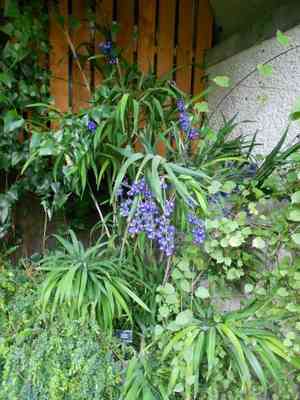
The plant you're referring to is likely the Flax Lily (Dianella ensifolia). This perennial thrives in swampy regions and can reach heights of up to 1.5 meters. It spreads through its roots to create extensive clumps. The juice extracted from its berries has traditionally been used for dyeing textiles and garments, and it is potent enough to stain surfaces like pavement.

Attributes of Flax lily

Lifespan
Perennial
Plant Type
Herb
Plant Height
1 m to 2 m
Spread
60 cm to 1.2 m
Leaf Color
Green
Flower Size
6 mm
Flower Color
White Blue

PlantJoy - Identify plants with a snap

Identify and diagnose plants, get toxicity alerts, and explore safety guides for all types of fungi.

Try for Free

Images of Flax lily

Flax lily(Dianella ensifolia)

Quickly Identify Flax lily

1
Cane-like stems reaching 4-6 feet (1.2-1.8 meters) with strap-shaped leaves.
2
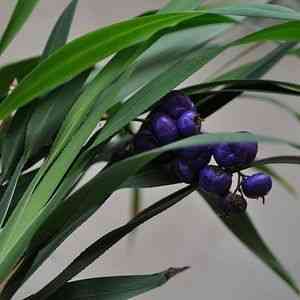
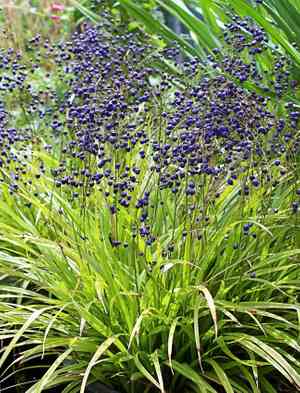
Pale lavender-blue flowers with bright yellow-orange anthers. Fruit is small, spherical, and blue.
3
Leaves sword-shaped, 10-40 inches (25-100 cm) long, leathery, and deep green.
4
Flowers are small, up to 0.6 cm (0.24 inches), with white or bluish-white petals.
5
Berries are deep blue, up to 1.5 cm (0.6 inches) wide, with ovoid glossy black seeds.

Scientific Classification of Flax lily

Phylum
Vascular plants
Class
Monocotyledons
Order
Asparagus and allies
Family
Asphodel
Genus
Flax lilies
Species
Flax lily

Planting and Growing of Flax lily

Care Difficulty
Easy
Watering Schedule
Every 2 days
Sunlight Requirements
Partial sun
Sunshine Duration
6-10 hours
Ideal Temperature
60-85℉
Soil Type
Potting Mix, Peat Mix
Soil pH
6-7.5
Fertilizer Type
Balanced
Pruning Season
Spring, Summer
Pruning Area
Branches, Leaves
Pruning Frequency
2 times a year
Repotting Season
Spring
Pot Type
Plastic, Ceramic

water icon How to Water Flax lily?

The Dianella ensifolia prefers moderate watering. Each time, approximately 300 ml of water should be provided. Water until the soil is evenly moist but not waterlogged. It's crucial to ensure that the soil has good drainage to prevent root rot.
What are the symptoms of an underwatered Flax lily?
What should I do if my Flax lily is not getting enough water?
What are the symptoms of an overwatered Flax lily?
How to save an overwatered Flax lily?

sunlight icon What Are the Sunlight Requirements for Flax lily?

Sunlight Requirements: Partial sun, Full sun
Duration of light: 4 to 6 hours
Partial sun or full sun exposure works best, balancing enough light for growth without burning. This ensures optimized photosynthesis, resulting in healthier foliage and stronger structural integrity.
How do I ensure ideal light conditions?
What adjustments should I make seasonally?
What are the benefits of ideal lighting?
More About Sunlight Requirements Techniques

temperature icon What Is the Ideal Temperature Range for Flax lily?

Ideal Temperature: 60 ~ 85℉
Dianella ensifolia thrives best between 60°F and 85°F. At these temperatures, the plant can efficiently carry out photosynthesis and metabolic functions. It is important to maintain a consistent temperature while avoiding any sudden fluctuations that can stress the plant.

soil icon What Soil is Best for Flax lily?

Soil type: Sandy loam, Loam, Sandy soil
Soil PH: 6 ~ 7.5
Dianella ensifolia thrives in well-drained soil, which ensures that the roots remain healthy and do not sit in water. This prevents root rot and promotes vigorous growth. A nutrient-rich soil supports the lush foliage of Dianella ensifolia and helps in the production of vibrant flowers. Add organic matter like compost to maintain nutrient levels. The soil should retain moderate moisture to keep the plant hydrated without being waterlogged. Sandy loam offers excellent moisture retention suitable for this plant. More About Soil

fertilize icon How to Fertilize Flax lily?

Fertilizer type: Balanced
Dianella ensifolia does not require high amounts of fertilizer because of its relatively slow growth rate. When using liquid fertilizer, dilute it to half the recommended strength on the package, applying around 200 ml per plant. For slow-release fertilizers, apply approximately 30 grams per plant annually. An excess of nutrients can cause more harm than good. More About Fertilizing Techniques

prune icon How to Prune Flax lily?

Pruning Time: Spring, Summer, Autumn
Begin by examining the plant for any dead or damaged leaves, which should be removed to maintain overall health. Use clean, sharp pruning shears to cut leaves at their base near the soil line. This method promotes new growth and helps the plant maintain a neat appearance. Avoid cutting too close to the plant's core to prevent damage. Removing old flower stalks after they have bloomed encourages further blooming and stronger plant vitality. More About Pruning Techniques

propagate icon How to Propagate Flax lily plant?

Propagate Time: Spring, Early spring, Late spring
1
Collect seeds from mature Dianella ensifolia plants by allowing the berries to dry and then extracting the seeds. Ensure that the seeds are dry and free from any pulp.
2
Select healthy plants and cut 4-6 inch sections. Remove lower leaves to prevent contact with soil, which can cause rot. Immerse the cut end in rooting hormone to encourage root growth.
3
Dig out mature Dianella ensifolia plants and gently separate the clumps. Be cautious not to damage the roots, ensuring each division has an adequate root system for replanting.
More About Propagating Techniques

repot icon How to Repot Flax lily plant?

Repotting frequency: Every 2-3 years
1
Repot this plant when you notice roots emerging from the drainage holes or the soil drying out faster than usual. This is a signal that the roots need more space. Additionally, if the plant's growth has noticeably slowed, it may be time for a larger pot. Spring and summer are ideal times for repotting, as the plant is in its active growth phase, which helps it quickly adjust to the new environment.
2
Select a pot that is 1-2 inches larger in diameter than the current one. Choose a pot with ample drainage holes to prevent waterlogging, which can lead to root rot. Opting for a slightly bigger pot allows the roots to spread comfortably, encouraging robust growth. The material of the pot can vary but should complement your environmental considerations, like ceramic for stability or plastic for lightweight handling.
3
Dianella ensifolia thrives in a well-draining potting mix that provides good aeration while retaining some moisture. A mix containing components like peat moss, perlite, and sand is ideal. These elements ensure that excess water quickly drains away, preventing waterlogging, while the peat moss retains enough moisture to support consistent growth. Proper soil choice ensures optimal root health and reduces the risk of root diseases.

PlantJoy - Identify plants with a snap

Find the best spots for them to optimize their health, simply using your phone.

Try for Free

Toxicity of Flax lily

Is Flax lily toxic to cat?

Flax lily represents a potential toxic hazard for our feline friends. Should a cat accidentally consume any portion of this plant, it may result in poisoning. Symptoms to be aware of include general physical discomfort and signs of distress. It is essential for cat owners to remain alert and prevent their pets from reaching flax lily to mitigate any risk of poisoning. In the event that a cat is believed to have ingested flax lily, prompt veterinary care is vital for the pet's health and well-being.

Is Flax lily toxic to dog?

Flax lily is recognized as a plant that poses toxicity to dogs. When dogs consume any part of the flax lily, they face the risk of poisoning, as the entire plant contains toxic components. Dogs might unintentionally ingest portions of flax lily driven by curiosity or by confusing it with a non-toxic plant. After consumption, canines may show signs such as vomiting, diarrhea, lethargy, or potentially more severe reactions, depending on the quantity ingested and their specific sensitivity. It is vital for dog owners to vigilantly supervise their pets and restrict access to flax lily. Should a dog accidentally consume this plant, seeking immediate veterinary help is essential to guarantee appropriate care and treatment.

Identify toxic plants for your safety

Learn which plants are harmful to you and your pets, and make informed choices for a safer home!

Try for Free
WARNING
The judgment on toxicity and danger is for reference only. We DO NOT GUARANTEE any accuracy of such judgment. Therefore, you SHALL NOT rely on such judgment. It is IMPORTANT TO SEEK PROFESSIONAL ADVICE in advance when necessary.
More About Toxic Techniques