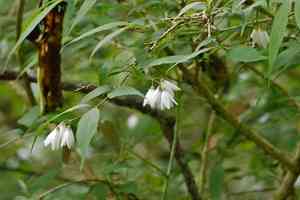
Taiwan deutzia (Deutzia taiwanensis)
Also known as: Taiwanese Deutzia
Taiwan deutzia is a deciduous shrub native to Taiwan, featuring slender branches that bear clusters of small, fragrant white flowers in the spring. Its lance-shaped leaves, with their toothed margins, gracefully arrange themselves along the stems. The plant thrives in well-drained soil and partial shade, where its blooms can attract pollinators, playing a role in the local ecosystem.
In This Article
Attributes of Taiwan deutzia
Lifespan
Perennial
Plant Type
Shrub
Plant Height
3 m to 5 m
Spread
1 to 1.5 meters
Leaf Color
Green
Flower Size
3 cm to 4 cm
Flower Color
White
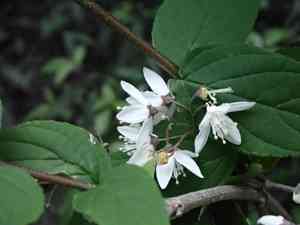
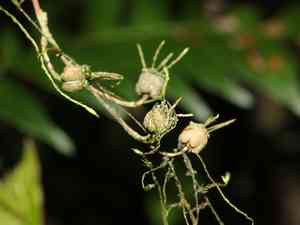
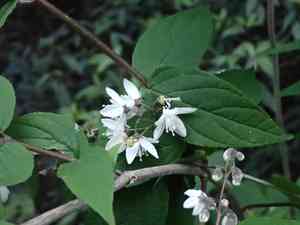
Images of Taiwan deutzia
Quickly Identify Taiwan deutzia
1
Identifying Deutzia taiwanensis involves looking for its small white flowers that grow in dense, terminal clusters, its opposite, serrated leaves, and its arching stems. The flowers typically appear in late spring to early summer.
Scientific Classification of Taiwan deutzia
Phylum
Vascular plants
Class
Dicotyledons
Order
Cornales
Family
Hydrangea
Genus
Deutzia
Species
Taiwan deutzia
Planting and Growing of Taiwan deutzia
Care Difficulty
Easy
Watering Schedule
Every 4 days
Sunlight Requirements
Partial sun
Sunshine Duration
4-8 hours
Ideal Temperature
60-75℉
Soil Type
Potting Mix, Peat Mix
Soil pH
6.5-7.5
Fertilizer Type
Balanced
Pruning Season
Spring, Summer
Pruning Area
Branches, Leaves
Pruning Frequency
2 times a year
Repotting Season
Spring
Pot Type
Plastic, Ceramic
 How to Water Taiwan deutzia?
Deutzia taiwanensis enjoys a moderate watering schedule. Water it with about 250 ml each time, ensuring the soil is evenly moist. However, it is crucial not to let it become waterlogged, as this could harm the roots. The goal is to provide enough water so that it reaches the root depth without creating standing water.
What are the symptoms of an underwatered Taiwan deutzia?
›
What should I do if my Taiwan deutzia is not getting enough water?
›
What are the symptoms of an overwatered Taiwan deutzia?
›
How to save an overwatered Taiwan deutzia?
›
 What Are the Sunlight Requirements for Taiwan deutzia?
Partial sun conditions are ideal, ensuring Deutzia taiwanensis receives between 4 to 6 hours of sunlight daily. This range promotes healthy leaf growth and robust flowering.
What is the optimal light condition for Deutzia taiwanensis?
›
How can I achieve the ideal lighting condition for my plant?
›
What benefits does ideal lighting provide for this plant?
›
 What Is the Ideal Temperature Range for Taiwan deutzia?
Deutzia taiwanensis thrives best in conditions where the temperature ranges between 60°F and 75°F. These temperatures support optimal growth and blooming, ensuring the plant maintains its health and vigor. Temperatures within this range mimic the plant's natural habitat, providing a conducive environment for photosynthesis and nutrient uptake.
 What Soil is Best for Taiwan deutzia?
Deutzia taiwanensis thrives in well-drained soil to prevent root rot and ensure healthy growth. Proper drainage allows roots to access oxygen and nutrients without being waterlogged, which is essential for vibrant foliage and abundant blooms. This plant prefers soil with moderate fertility to provide adequate nutrition without overwhelming the roots. Balanced fertility encourages steady, healthy growth, leading to enhanced resistance to pests and diseases. Adding organic matter such as compost improves soil structure, drainage, and nutrient availability. This enrichment supports root development and sustains the plant during dry spells, enhancing resilience against environmental stresses.
 How to Fertilize Taiwan deutzia?
When it comes to fertilizing Deutzia taiwanensis, you must be mindful of the plant's size and soil conditions. Generally, use a balanced liquid fertilizer diluted to half of its recommended strength. Apply about 100 ml of this solution per plant to avoid over-fertilization.
 How to Prune Taiwan deutzia?
Begin by examining the Deutzia taiwanensis for any dead or damaged branches. These should be removed first to prevent disease spread and to encourage healthy growth. After removing dead wood, focus on maintaining or improving the plant's shape. Trim wayward branches to ensure the shrub maintains a pleasing, balanced form. Prune just after flowering, as Deutzia taiwanensis blooms on old wood. Cutting back branches that bloomed will encourage the production of more flowers the following season.
More About Pruning Techniques→
 How to Propagate Taiwan deutzia plant?
1
Choose a healthy, non-flowering stem from the parent plant. Using sterilized pruning shears, take a cutting of about 4-6 inches in length. Ensure the cut is clean to prevent infection.
2
Remove the lower leaves from the cutting, leaving a few at the top. Dip the cut end in rooting hormone powder to stimulate root growth.
3
Insert the cutting into a pot filled with moist, sterile potting mix. Ensure the cutting is planted deep enough to stay upright. Firm the soil around the cutting to secure it.
 How to Repot Taiwan deutzia plant?
1
Repotting Deutzia taiwanensis should be considered when you notice roots emerging from drainage holes, indicating that the plant has outgrown its current container. Additionally, if you observe a significant slowdown in growth despite proper care, it might be time to repot it. Early spring or early autumn is ideal since it allows the plant to establish itself before the active growing season or winter dormancy.
2
Select a pot that is slightly larger than the current one, ideally 1-2 inches wider in diameter. This ensures sufficient room for root expansion without overwhelming the plant with too much soil, which can retain excess moisture. A pot with several drainage holes is essential to prevent waterlogging, which can lead to root rot.
3
For Deutzia taiwanensis, choose a well-draining organic mix that maintains moderate moisture while providing adequate aeration. A blend that includes peat moss, perlite, and a small amount of sand offers excellent texture and nutrients, promoting healthy root growth and robust foliage. This composition encourages good water movement while retaining necessary moisture.
Learn More About Taiwan deutzia Diseases
Anthracnose
Bacterial Leaf Spot
Black Spot
Chemical Injury
Crown Gall
Damping-off
Downy Mildew
Drought Stress
Fusarium Wilt
Gray Mold
Leaf Curl
Leaf Spot
Mosaic
Nutrient Deficiency
Nutrient Toxicity
Powdery Mildew
Root Rot
Root-knot Nematode
Rusts
Sooty Mold
Spider Mites
Temperature Stress
Thrips Damage
White Mold



