
Fuzzy pride-of-rochester (Deutzia scabra)
Also known as: Pride-of-rochester, Scabrous deutzia
The fuzzy pride-of-Rochester (Deutzia scabra) is a deciduous shrub known for its ornamental value. It typically grows in forests, along roadsides, and even from crevices in stone walls. Despite the name "Rochester," its native habitat is actually in central Japan and China.
In This Article
Attributes of Fuzzy pride-of-rochester
Lifespan
Perennial
Plant Type
Shrub
Plant Height
1 m to 3 m
Spread
1.5 m
Leaf Color
Green
Flower Size
2.5 mm to 3 mm
Flower Color
White Pink
Images of Fuzzy pride-of-rochester


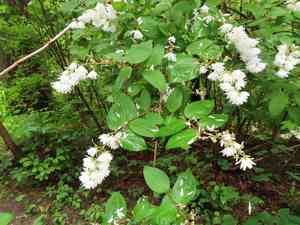

Quickly Identify Fuzzy pride-of-rochester
1
Opposite, simple leaves with serrate margins; light green color and rough texture.
2
Fragrant, white star-shaped flowers in 3-6 inch long panicles; 0.5 inch diameter.
3
Dry seed capsules persist into winter; small, brown, rough-textured surface.
4
Slender stems with hollow pith, rough texture, and scaly, pointed buds.
5
Exfoliating bark in reddish-brown to orangish-brown sheets; rugged, slightly rough texture.
Scientific Classification of Fuzzy pride-of-rochester
Phylum
Vascular plants
Class
Dicotyledons
Order
Cornales
Family
Hydrangea
Genus
Deutzia
Species
Fuzzy pride-of-rochester
Planting and Growing of Fuzzy pride-of-rochester
Care Difficulty
Easy
Watering Schedule
Every 4 days
Sunlight Requirements
Full sun
Sunshine Duration
6-10 hours
Ideal Temperature
65-75℉
Soil Type
Potting Mix, Peat Mix
Soil pH
6.5-7.5
Fertilizer Type
Balanced
Pruning Season
Spring, Summer
Pruning Area
Branches, Leaves
Pruning Frequency
2 times a year
Repotting Season
Spring
Pot Type
Plastic, Ceramic
 How to Water Fuzzy pride-of-rochester?
Deutzia scabra prefers evenly moist soil but should never be waterlogged. When watering, ensure the soil is soaked thoroughly until water drains out from the bottom of the pot. This ensures the entire root system receives adequate moisture.
What are the symptoms of an underwatered Fuzzy pride-of-rochester?
›
What should I do if my Fuzzy pride-of-rochester is not getting enough water?
›
What are the symptoms of an overwatered Fuzzy pride-of-rochester?
›
How to save an overwatered Fuzzy pride-of-rochester?
›
 What Are the Sunlight Requirements for Fuzzy pride-of-rochester?
Deutzia scabra thrives in partial to full sun conditions. Adequate light exposure facilitates nutrient absorption, increases blooming, enhances leaf coloration, and supports overall robust growth.
More About Sunlight Requirements Techniques→
What is the best location for Deutzia scabra?
›
How can I achieve ideal lighting for Deutzia scabra?
›
What are the benefits of ideal lighting for Deutzia scabra?
›
 What Is the Ideal Temperature Range for Fuzzy pride-of-rochester?
The ideal temperature range for Deutzia scabra is between 65°F and 75°F. This range promotes healthy growth and blooming. Maintaining this temperature range ensures that the plant's physiological processes, such as photosynthesis and respiration, are optimal, allowing for lush foliage and robust flowering.
 What Soil is Best for Fuzzy pride-of-rochester?
Deutzia scabra thrives best in well-draining soil. The ability of the soil to shed excess water prevents root rot, promoting healthy growth and robust blooms. This plant prefers consistently moist soil, which ensures constant nutrient uptake and a steady supply of water to support its lush foliage and vibrant flower development. A loamy soil rich in organic matter is ideal for Deutzia scabra. Organic components improve soil texture and enhance nutrient availability, thus fueling the plant’s overall vitality.
 How to Fertilize Fuzzy pride-of-rochester?
When fertilizing Deutzia scabra, it's important to use a balanced, all-purpose fertilizer. For liquid fertilizers, dilute the solution according to the manufacturer’s instructions, typically around one tablespoon per gallon of water. Slow-release fertilizers should be applied moderately; approximately one to two tablespoons per plant, sprinkled evenly over the root zone, suffice each application.
 How to Prune Fuzzy pride-of-rochester?
Prune Deutzia scabra right after it has finished blooming. Flower buds are set shortly after the blooms fade, so pruning at this time ensures that you won't cut off next year's flowers. Focus on removing older wood and thinning the plant to open up its structure. Be sure to remove any crossing branches that could rub and damage each other. Use a sharp pair of pruning shears to make precise cuts just above a leaf node or bud. Always use clean, sharp tools when pruning your Deutzia scabra. Sanitizing your tools before and after use can prevent the spread of plant diseases. A simple solution of one part bleach to nine parts water can be used for disinfecting. It's also wise to wear gloves to protect your hands from scratches and to prevent the transfer of diseases between different plants in your garden. After pruning, observe the plant's response over the next few weeks. New growth should emerge, and the plant should appear healthier and more vigorous. If you notice signs of stress, such as wilting or discolored leaves, reevaluate your pruning technique and frequency. This feedback will guide you to become more attuned to the plant's needs over time, allowing for better care and healthier growth cycles in subsequent seasons.
More About Pruning Techniques→
 How to Propagate Fuzzy pride-of-rochester plant?
1
Select healthy, non-flowering stems for cuttings that are about 10-15 cm long. Make sure to cut just below a node to maximize the rooting potential.
2
Prepare a well-draining potting mix such as a combination of peat and sand. This medium provides adequate drainage and aeration for the developing roots.
3
Dip the cut end of the stem in rooting hormone and gently place it into the prepared medium. Maintain spacing between cuttings to avoid any fungal growth.
 How to Repot Fuzzy pride-of-rochester plant?
1
Deutzia scabra prefers being repotted in early spring or autumn when the plant is not actively blooming. Keep an eye out for roots peeking out of drainage holes or slow growth, which indicates it's time to repot. Choosing the right moment ensures the plant transitions smoothly without shock.
2
Select a pot slightly larger than the current one, ensuring it has drainage holes. This allows for adequate root space and prevents waterlogging, promoting healthy roots. The material of the pot, like clay, also affects aeration, providing further benefits to Deutzia's growth.
3
Opt for a well-draining organic mix, enriched with compost or peat. This balance aids in moisture retention while simultaneously preventing root rot, ensuring Deutzia scabra thrives through its cycles of growth and dormancy.



