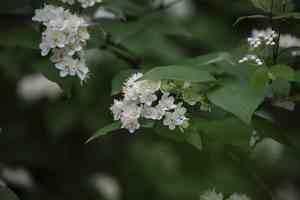
Mongolian pride-of-rochester (Deutzia parviflora)
Also known as: Small-flowered Deutzia
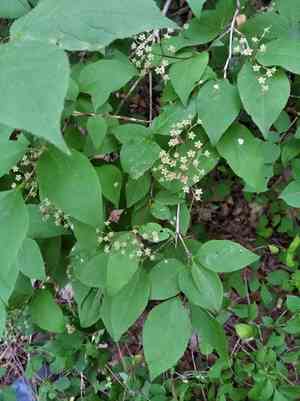
The shrub you're referring to is likely the Deutzia gracilis, a delightful deciduous plant featuring clusters of fragrant white flowers that appear in late spring. This shrub generally reaches up to 1.5 meters tall, mirroring its height with a similar spread. It has a dense, bushy structure with slender branches adorned with oval green leaves, providing an appealing contrast to its star-like blooms. Deutzia gracilis thrives in well-drained soil and prefers sunny to partially shaded areas, making it a hardy option for temperate gardens.
In This Article
Attributes of Mongolian pride-of-rochester
Lifespan
Perennial
Plant Type
Shrub
Plant Height
2 m
Spread
2 m
Leaf Color
Green
Flower Size
8 cm to 15 cm
Flower Color
White
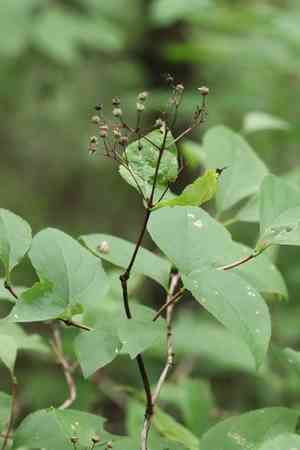
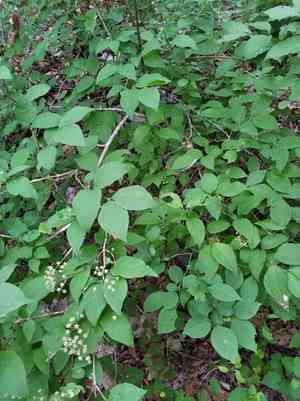
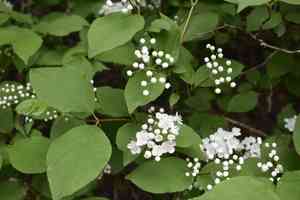
Images of Mongolian pride-of-rochester
Quickly Identify Mongolian pride-of-rochester
1
Identification can be done by looking for its small, opposite leaves, serrated edges, and clusters of small white flowers that bloom in late spring to early summer.
Scientific Classification of Mongolian pride-of-rochester
Phylum
Vascular plants
Class
Dicotyledons
Order
Cornales
Family
Hydrangea
Genus
Deutzia
Species
Mongolian pride-of-rochester
Planting and Growing of Mongolian pride-of-rochester
Care Difficulty
Easy
Watering Schedule
Every 2 days
Sunlight Requirements
Partial sun
Sunshine Duration
4-8 hours
Ideal Temperature
60-75℉
Soil Type
Potting Mix
Soil pH
6.5-7.5
Fertilizer Type
Balanced
Pruning Season
Spring, Summer
Pruning Area
Branches, Leaves
Pruning Frequency
2 times a year
Repotting Season
Spring
Pot Type
Plastic, Ceramic
 How to Water Mongolian pride-of-rochester?
Deutzia parviflora prefers a moderate amount of water. Ensure the soil is moist but not waterlogged. Watering should penetrate the soil to a depth of about 2 inches, providing the roots with adequate moisture.
What are the symptoms of an underwatered Mongolian pride-of-rochester?
›
What should I do if my Mongolian pride-of-rochester is not getting enough water?
›
What are the symptoms of an overwatered Mongolian pride-of-rochester?
›
How to save an overwatered Mongolian pride-of-rochester?
›
 What Are the Sunlight Requirements for Mongolian pride-of-rochester?
Partial to full sun exposure allows Deutzia parviflora to maintain optimal health, resulting in dense foliage and regular flower cycles, greatly enhancing its aesthetic appeal.
What is the ideal lighting condition for Deutzia parviflora?
›
How can I ensure the plant gets its ideal lighting?
›
What are the benefits of ideal lighting for Deutzia parviflora?
›
 What Is the Ideal Temperature Range for Mongolian pride-of-rochester?
Deutzia parviflora thrives in environments where the temperature ranges between 60°F and 75°F. This range provides optimal conditions for physiological activities such as photosynthesis, respiration, and transpiration. Plants maintained within this scope tend to exhibit healthier growth and fuller blooms.
 What Soil is Best for Mongolian pride-of-rochester?
Deutzia parviflora thrives in well-draining soil, preventing root rot and ensuring healthy growth. Excess water can be detrimental, making good drainage vital for this species. This plant requires soil with moderate nutrient content, providing balanced nutrition for optimal growth without overwhelming it with excess nutrients leading to leaf burn. While drainage is crucial, retaining some moisture in the soil ensures that Deutzia parviflora remains hydrated, especially during dry spells, promoting sustained growth and flowering.
 How to Fertilize Mongolian pride-of-rochester?
For Deutzia parviflora, it's important to apply fertilizers with balance. When using liquid fertilizers, dilute them to half strength to prevent root burn. As for slow-release fertilizers, use approximately 50 grams per application, distributing it evenly around the root zone.
 How to Prune Mongolian pride-of-rochester?
Begin by identifying and removing any dead or diseased branches. This helps prevent the spread of disease and allows more resources for healthy growth. After dealing with dead wood, focus on shaping the shrub. Make cuts just above a healthy bud, and angle your cuts to allow water runoff, which helps prevent rot. Trim branches selectively to open up the center of the plant, encouraging air circulation and new growth. This will result in a healthier plant and more blooms.
More About Pruning Techniques→
 How to Propagate Mongolian pride-of-rochester plant?
1
Select a healthy stem and cut a 4-6 inch piece just below a node. Remove the lower leaves to expose the node and dip the end in rooting hormone. This step primes the cutting for better root development as it draws nutrients toward the exposed node.
2
Insert the prepared cutting into a pot filled with sterile potting mix. Make a small hole using a pencil, ensuring the node is covered with soil. Firm the soil gently around the base to eliminate air pockets and secure the cutting in an upright position.
3
Cover the cutting with a plastic bag or place it in a propagator to maintain high humidity. Ensure the bag doesn't touch the leaves and keep it in a bright area away from direct sunlight. This micro-environment prevents moisture loss, crucial for root formation.
 How to Repot Mongolian pride-of-rochester plant?
1
Deutzia parviflora needs repotting when you notice roots coming out of the drainage holes or the plant looks root-bound. Additionally, a decline in growth or leaf drop might suggest it's pot-bound. Spring and autumn are ideal, as the plant is not under stress from extreme temperatures.
2
Select a pot that is 1-2 inches larger in diameter than the current one. Ensure it has good drainage holes to prevent waterlogging, which can lead to root rot. The new pot's material can also impact moisture retention; ceramic is aesthetically pleasing and maintains a stable root temperature.
3
Opt for a well-drained, loamy soil mix, rich in organic matter. This choice provides the necessary nutrients while ensuring proper air circulation around the roots. Avoid heavy or clay soils that can retain excess water and suffocate the roots.



