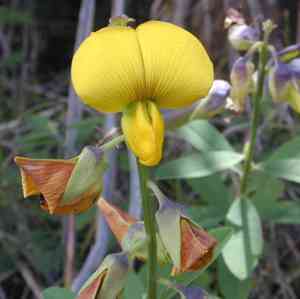
Nakedflower ticktrefoil (Desmodium nudiflorum)
Also known as: Beggar's lice, Naked-flower tick-trefoil
The nakedflower ticktrefoil (Desmodium nudiflorum) is a perennial wildflower characterized by its vertical growth and clusters of pink to purple flowers. This plant is adapted to the forest understory, where it thrives in areas with filtered sunlight. It features leafless flowering stems that emerge from a base of trifoliate leaves. The unique seed pods are designed to attach to animals and humans, aiding in seed dispersal and allowing the plant to spread across its habitat in deciduous forests of eastern North America.
In This Article
Attributes of Nakedflower ticktrefoil
Lifespan
Perennial
Plant Type
Herb
Plant Height
30 cm to 1.02 m
Spread
Typically spreads 2-3 feet (61-91 cm)
Leaf Color
Green
Flower Size
Approximately 0.25 inches (6 mm)
Flower Color
Pink or purplish
Images of Nakedflower ticktrefoil
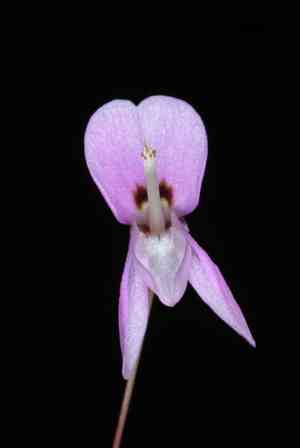
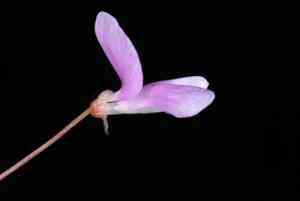
Quickly Identify Nakedflower ticktrefoil
1
Look for a low-growing herb with trifoliate leaves, small clusters of pink or purplish flowers, and sticky, segmented seed pods. The plant typically grows in shaded areas.
Scientific Classification of Nakedflower ticktrefoil
Phylum
Vascular plants
Class
Dicotyledons
Order
Fabales
Family
Legume
Genus
Tick clover
Species
Nakedflower ticktrefoil
Planting and Growing of Nakedflower ticktrefoil
Care Difficulty
Moderate
Watering Schedule
Every 2 days
Sunlight Requirements
Partial sun
Sunshine Duration
4-8 hours
Ideal Temperature
60-75℉
Soil Type
Potting Mix, Peat Mix
Soil pH
6.5-7.5
Fertilizer Type
Balanced
Pruning Season
Spring, Summer
Pruning Area
Branches, Leaves
Pruning Frequency
2 times a year
Repotting Season
Spring
Pot Type
Plastic, Ceramic
 How to Water Nakedflower ticktrefoil?
Desmodium nudiflorum prefers well-drained soil, so water it until the top 1-2 inches of soil feel moist, but not waterlogged. This ensures the roots receive enough moisture without sitting in water, which can lead to root rot.
What are the symptoms of an underwatered Nakedflower ticktrefoil?
›
What should I do if my Nakedflower ticktrefoil is not getting enough water?
›
What are the symptoms of an overwatered Nakedflower ticktrefoil?
›
How to save an overwatered Nakedflower ticktrefoil?
›
 What Are the Sunlight Requirements for Nakedflower ticktrefoil?
Desmodium nudiflorum prefers partial sun to full shade environments. Ideal lighting ensures robust growth, accentuates leaf health, and promotes flowering. Proper light exposure supports optimal photosynthesis, maintaining the plant's vitality.
What is the ideal lighting for Desmodium nudiflorum?
›
How can you ensure Desmodium nudiflorum gets ideal lighting?
›
What are the benefits of providing ideal lighting for Desmodium nudiflorum?
›
 What Is the Ideal Temperature Range for Nakedflower ticktrefoil?
The ideal temperature range for growing Desmodium nudiflorum is between 60°F and 75°F. This temperature range allows the plant to thrive by maintaining optimal metabolic and physiological processes. Sufficient warmth, combined with appropriate humidity and light conditions, aids in healthy growth and development, ensuring the best results.
 What Soil is Best for Nakedflower ticktrefoil?
Desmodium nudiflorum thrives best in well-drained soil that allows for moisture retention but prevents waterlogging. This condition ensures robust root development and prevents root rot, promoting the plant's overall health. A soil rich in organic matter but moderately fertile is ideal. This balance provides essential nutrients without overwhelming the plant, supporting optimal growth and flowering. Maintaining a soil pH between 6.5 and 7.5 helps this plant absorb nutrients effectively. Such a pH range minimizes the risk of nutrient lockout, ensuring healthy foliage and vibrant blooms.
 How to Fertilize Nakedflower ticktrefoil?
For Desmodium nudiflorum, a balanced liquid fertilizer should be used at half strength, around 10 ml per liter of water. Ensure you target the soil to avoid any potential stem or leaf burn. Avoid excessive fertilizer, as this could damage roots and hinder growth.
 How to Prune Nakedflower ticktrefoil?
Start by inspecting the plant for dead, damaged, or diseased stems and leaves. Using sharp pruning shears, make clean cuts just above a leaf node or branch junction. Prune back any overly long or scraggly stems to encourage a bushier growth habit. To give Desmodium nudiflorum a desired shape, selectively trim outer branches to promote an even look. Thinning involves removing select stems to reduce density and allow light and air to penetrate the plant’s center. Ensure balanced trimming on all sides for symmetry.
 How to Propagate Nakedflower ticktrefoil plant?
1
Gather seeds from mature Desmodium nudiflorum pods in late summer. Ensure the pods are dry and brown before collecting to guarantee seed maturity and viability. Store them in a cool, dry place until sowing.
2
Use a seed tray with well-draining soil to sow seeds. Lightly cover seeds with soil and water gently. Maintain consistent moisture levels and place the tray in a location with indirect sunlight.
3
In late spring, divide older Desmodium nudiflorum plants. Carefully dig up the plant, separate into sections with roots, and replant in suitable soil. Water thoroughly after replanting to reduce transplant shock.
 How to Repot Nakedflower ticktrefoil plant?
1
Look out for signals such as roots growing out of drainage holes or the soil drying out too quickly. These are indications that your Desmodium nudiflorum needs more space to thrive. Spring and summer are the ideal times to repot due to the growing season.
2
Opt for a pot that is just one or two inches larger in diameter than the current one. A slightly bigger pot provides room for growth while preventing excessive moisture retention, which can lead to root rot. Ensure it has adequate drainage holes to prevent waterlogging.
3
Use well-draining loamy soil that offers just the right balance of moisture retention and aeration. Such soil ensures that the roots have enough air supply while retaining sufficient water and nutrients to support the plant’s growth.



