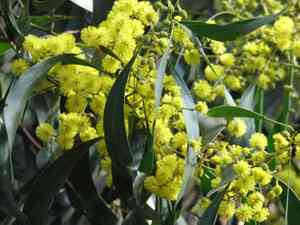
Slenderlobe bundleflower (Desmanthus leptolobus)
Also known as: Slenderlobed bundleflower
The slenderlobe bundleflower is a hardy plant notable for its fine, fern-like foliage and small, spherical pink or white blossoms. It prospers in environments with good drainage, such as prairies and open woodlands, and is well-suited to withstand dry conditions due to its deep root system that taps into underground water sources. The plant's unique seed pods fragment into individual segments when mature, facilitating effective seed dispersal.
In This Article
Attributes of Slenderlobe bundleflower
Lifespan
Perennial
Plant Type
Shrub
Plant Height
1 to 3 feet (30 to 90 cm)
Spread
Approximately 1 to 2 feet (30 to 60 cm)
Leaf Color
Green
Flower Size
About 0.5 inches (1.3 cm)
Flower Color
White to pale pink
Images of Slenderlobe bundleflower

Quickly Identify Slenderlobe bundleflower
1
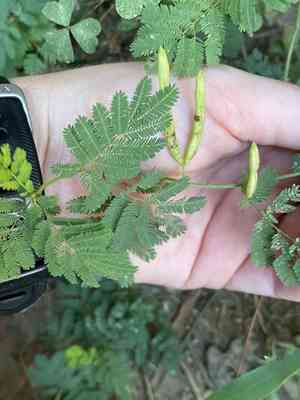
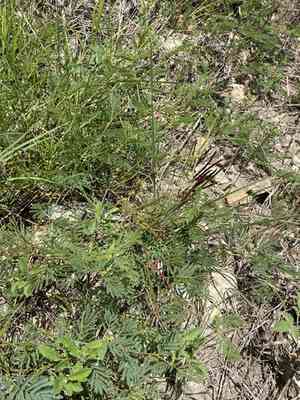
Look for its bipinnate leaves and clusters of small, white to pale pink flowers. The seed pods are slim and elongated, which helps differentiate it from other species.
Scientific Classification of Slenderlobe bundleflower
Phylum
Vascular plants
Class
Dicotyledons
Order
Fabales
Family
Legume
Genus
Bundleflowers
Species
Slenderlobe bundleflower
Planting and Growing of Slenderlobe bundleflower
Care Difficulty
Moderate
Watering Schedule
Every 2 days
Sunlight Requirements
Full sun
Sunshine Duration
6-10 hours
Ideal Temperature
65-80℉
Soil Type
Potting Mix, Peat Mix
Soil pH
6.5-7.5
Fertilizer Type
Balanced
Pruning Season
Spring, Summer
Pruning Area
Branches, Leaves
Pruning Frequency
2 times a year
Repotting Season
Spring
Pot Type
Plastic, Ceramic
 How to Water Slenderlobe bundleflower?
For Desmanthus leptolobus, it is crucial to ensure the soil is moist but not saturated. A watering amount of 250 ml per session is typically sufficient for a medium-sized pot. The goal is to maintain soil that allows roots to access moisture without becoming waterlogged. This balance promotes healthy growth and discourages root rot.
What are the symptoms of an underwatered Slenderlobe bundleflower?
›
What should I do if my Slenderlobe bundleflower is not getting enough water?
›
What are the symptoms of an overwatered Slenderlobe bundleflower?
›
How to save an overwatered Slenderlobe bundleflower?
›
 What Are the Sunlight Requirements for Slenderlobe bundleflower?
Desmanthus leptolobus thrives in full sun conditions but can tolerate partial sun. Ideal lighting leads to vigorous growth, optimal flowering, and enhances photosynthetic efficiency, essential for plant sustenance.
What is the best placement for Desmanthus leptolobus?
›
How can I ensure Desmanthus leptolobus gets optimal light indoors?
›
What benefits arise from Desmanthus leptolobus receiving ideal light?
›
 What Is the Ideal Temperature Range for Slenderlobe bundleflower?
The ideal temperature range for Desmanthus leptolobus is between 65°F and 80°F. This range supports the optimal metabolic processes necessary for growth and development, ensuring the plant can photosynthesize efficiently and maintain healthy cell structures.
 What Soil is Best for Slenderlobe bundleflower?
Desmanthus leptolobus thrives in well-drained soils. Good drainage prevents root rot, a common issue in waterlogged conditions. It ensures that plant roots receive sufficient oxygen, promoting healthy growth. The plant benefits from soil rich in organic matter. Nutrient-rich soil provides the essential minerals required for robust growth and vibrant foliage, enhancing the overall health and appearance. Loamy soil, known for its balance of sand, silt, and clay, offers excellent aeration. Proper aeration facilitates root growth and nutrient absorption, ensuring a healthy and vigorous plant.
 How to Fertilize Slenderlobe bundleflower?
Desmanthus leptolobus thrives on balanced nutrients. For liquid fertilizers, a dilution at half the recommended strength applied twice a month ensures optimal growth without overloading the plant. With slow-release fertilizers, a gentle application thrice a year is advisable to provide a steady supply of nutrients without overwhelming the roots.
 How to Prune Slenderlobe bundleflower?
Begin by examining the plant for overgrown, crossing, or damaged branches. These not only affect the plant’s aesthetic but can also hinder healthy growth. Mark these branches for removal. Cut at a 45-degree angle about 1/4 inch above a leaf node or bud facing outward. This encourages outward growth and prevents water from collecting on the cut surfaces, which helps in quicker healing. Shape the plant to your desired form, ensuring it has an open center to improve air circulation. Balance the structure by occasionally stepping back to view the plant from different angles. Deadhead spent flowers and remove seed pods to encourage a fresh flush of blooms and prevent the plant from devoting energy to seed production, which can slow down new growth.
More About Pruning Techniques→
 How to Propagate Slenderlobe bundleflower plant?
1
To enhance germination rates of Desmanthus leptolobus, soak the seeds in warm water for 12 to 24 hours. This helps to soften the seed coat, making it easier for sprouts to emerge.
2
Fill seed trays with the prepared potting soil, ensuring the mix is moist but not wet. Level the surface and lightly press down to avoid air pockets.
3
Distribute the soaked seeds evenly on the soil surface in each compartment of the tray. Cover them with a thin layer of soil, about twice the thickness of the seed, and lightly water.
 How to Repot Slenderlobe bundleflower plant?
1
You should consider repotting Desmanthus leptolobus when you observe signs such as roots protruding from drainage holes, soil appearing compacted and not retaining moisture well, or overall slow growth despite optimal care. These indicators suggest that the plant may be root-bound or that the soil has degraded, necessitating a fresh environment.
2
Select a pot that is one size larger than the current one, with good drainage holes to prevent waterlogging. A ceramic pot can offer stability and temperature regulation, reducing the risks of the plant drying out too quickly or becoming waterlogged. The right pot helps in promoting healthy root growth and prevents root rot.
3
Use a well-draining sandy loam soil mix, ideally enriched with organic matter. This type of soil provides excellent drainage, mimicking the plant’s natural habitat, preventing water stagnation, and allowing roots to breathe and draw nutrients efficiently. Such soil ensures robust growth and health of the plant.
Learn More About Slenderlobe bundleflower Diseases
Anthracnose
Bacterial Leaf Spot
Bacterial Wilt
Crown Gall
Cyst Nematode
Damping-off
Downy Mildew
Drought Stress
Fusarium Wilt
Gray Mold
Leaf Spot
Mosaic
Nutrient Deficiency
Nutrient Toxicity
Powdery Mildew
Root Rot
Root-knot Nematode
Rusts
Sooty Mold
Spider Mites
Temperature Stress
Thrips Damage
White Mold



