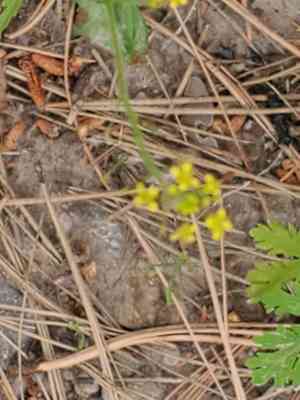
Mountain tansy mustard (Descurainia incisa)
Also known as: Mountain tansymustard
Mountain tansy mustard (Descurainia pinnata) is well-suited to arid regions due to its unique adaptations. It has finely divided, feathery leaves and tall, slender stems, allowing it to minimize water loss and withstand drought conditions. The plant thrives in poor soils and features small yellow flowers clustered at the tips of the stems, making them easily noticeable to pollinators in sparse environments. These deeply incised leaves not only aid in identification but also help in efficient water retention, ensuring the plant's survival in its harsh native habitats.
In This Article
Attributes of Mountain tansy mustard
Lifespan
Annual
Plant Type
Herb
Plant Height
20-60 cm
Spread
Not applicable
Leaf Color
Green
Flower Size
Up to 0.5 cm
Flower Color
Yellow
Images of Mountain tansy mustard
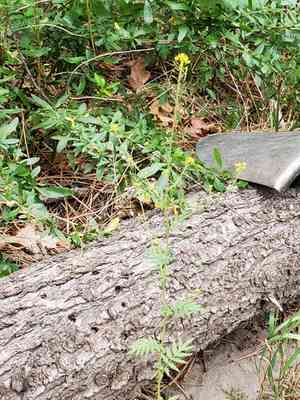
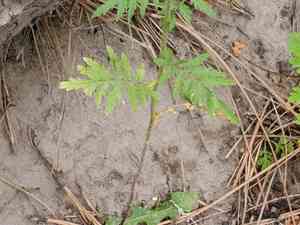
Quickly Identify Mountain tansy mustard
1
Mountain tansymustard can be identified by its finely divided, feather-like leaves and small yellow flowers arranged in clusters. The plant has slender stems and grows in disturbed or well-drained soils.
Scientific Classification of Mountain tansy mustard
Phylum
Vascular plants
Class
Dicotyledons
Order
Brassicales
Family
Cruciferae
Genus
Tansymustards
Species
Mountain tansy mustard
Planting and Growing of Mountain tansy mustard
Care Difficulty
Easy
Watering Schedule
Every 2 days
Sunlight Requirements
Full sun
Sunshine Duration
4-8 hours
Ideal Temperature
60-70℉
Soil Type
Potting Mix, Peat Mix
Soil pH
6-8
Fertilizer Type
Balanced
Pruning Season
Spring, Summer
Pruning Area
Branches, Leaves
Pruning Frequency
2 times a year
Repotting Season
Spring
Pot Type
Terracotta, Plastic
 How to Water Mountain tansy mustard?
Descurainia incisa benefits from consistent moisture but dislikes waterlogged conditions. Water enough to moisten the soil thoroughly, about 250 ml per session, allowing it to dry slightly between waterings.
What are the symptoms of an underwatered Mountain tansy mustard?
›
What should I do if my Mountain tansy mustard is not getting enough water?
›
What are the symptoms of an overwatered Mountain tansy mustard?
›
How to save an overwatered Mountain tansy mustard?
›
 What Are the Sunlight Requirements for Mountain tansy mustard?
Partial sun to full sun conditions provide Descurainia incisa with vibrant foliage and strong growth, aiding in optimal photosynthesis and resilience against environmental stressors.
What is the ideal lighting condition for Descurainia incisa?
›
How to achieve these conditions?
›
Benefits of ideal lighting for Descurainia incisa?
›
 What Is the Ideal Temperature Range for Mountain tansy mustard?
The optimal temperature range for Descurainia incisa growth is between 60°F and 70°F. This range ensures that the plant can photosynthesize efficiently and maintain healthy physiological functions. Outside of this range, growth may slow down or become compromised.
 What Soil is Best for Mountain tansy mustard?
Descurainia incisa thrives in well-drained soil, which prevents waterlogging and root rot. Ensuring good drainage helps the roots to breathe and promotes healthy growth. This plant prefers soil with moderate fertility. Overly rich soils might lead to excessive foliage growth at the expense of flowers. Balanced nutrients promote both foliage and flower development. Aerated soil is crucial for Descurainia incisa as it allows air circulation around the roots. This not only prevents fungal issues but also supports a robust root system for optimal uptake of nutrients and water.
 How to Fertilize Mountain tansy mustard?
Descurainia incisa requires a balanced amount of nutrients to thrive. For liquid fertilizers, apply a half-strength solution once every two weeks during the growing season. For slow-release fertilizers, generally, about 1 tablespoon per plant per application should suffice. Be cautious not to exceed recommended amounts to avoid nutrient burn.
 How to Prune Mountain tansy mustard?
Before you begin pruning Descurainia incisa, examine the plant thoroughly for any dead or diseased branches. Remove these first to prevent the spread of pests and diseases. Trim back branches that disrupt the desired shape or structure of the plant. Cut just above a healthy bud to encourage better growth direction and fuller foliage. Remove any branches that are crossing or growing too closely together to enhance air circulation within the plant. Improved airflow helps in minimizing fungal infections.
More About Pruning Techniques→
 How to Propagate Mountain tansy mustard plant?
1
Begin by filling the seed tray with planting medium. Sow the seeds evenly on the surface and cover them lightly with soil.
2
Gently water the seeds using a spray bottle to ensure the soil is moist but not waterlogged. Check regularly to maintain consistent moisture.
3
Place the seed tray in a warm and bright location. Monitor germination closely, which typically occurs within 1-2 weeks.
 How to Repot Mountain tansy mustard plant?
1
Look for signs like roots emerging from the drainage holes, reduced plant growth, or compacted soil. These indicate it's time to repot Descurainia incisa. Ideally, do this in early spring or autumn to reduce stress on the plant.
2
Select a pot that's 1-2 inches wider than the current one to allow the plant to grow. Ensure it has good drainage holes to prevent waterlogging. A slightly larger pot provides enough space for root expansion and promotes healthy growth.
3
A sandy, well-draining soil is ideal for Descurainia incisa as it mimics its natural habitat. This type of soil prevents root rot by facilitating excess water drainage, ensuring that the roots receive adequate air.


