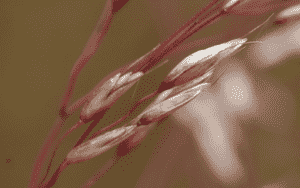
Hair grass (Deschampsia) (Deschampsia)
Also known as: Hair Grass, Tufted Hairgrass
The genus *Deschampsia*, commonly known as hair grass, is found globally, including in the harsh environment of Antarctica. These grasses favor moist soils but can also adapt to drier or waterlogged conditions. Certain species are favored in gardens for their evergreen foliage and low maintenance needs.
In This Article
Attributes of Hair grass (Deschampsia)
Lifespan
Perennial
Plant Height
30 to 120 cm (1 to 4 feet)
Spread
Not typically measured, as the grass forms clumps.
Leaf Color
Green
Flower Size
Small, individual flowers are not prominent; panicles are about 2 to 30 cm long.
Flower Color
Golden, Silvery
Images of Hair grass (Deschampsia)
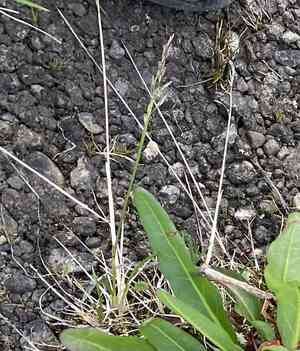
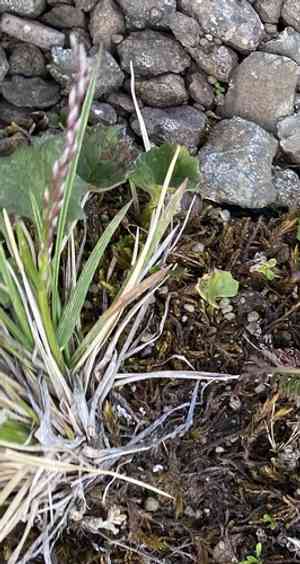
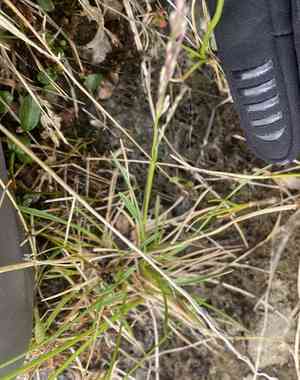
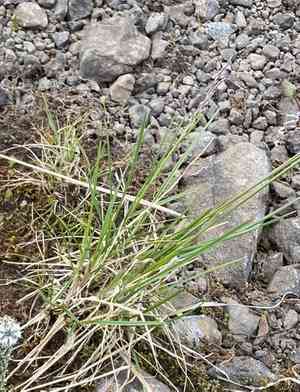
Quickly Identify Hair grass (Deschampsia)
1
Deschampsia can be identified by its dense clumps of narrow, wiry leaves that resemble fine hair. The grass tends to produce airy, delicate flower panicles during summer, which can be golden or silvery.
Scientific Classification of Hair grass (Deschampsia)
Phylum
Magnoliophyta
Class
Liliopsida (Monocotyledons)
Order
Poales
Family
Poaceae
Genus
Deschampsia
Planting and Growing of Hair grass (Deschampsia)
Care Difficulty
Moderate
Watering Schedule
Every 2 days
Sunlight Requirements
Partial sun
Sunshine Duration
6-12 hours
Ideal Temperature
60-77℉
Soil Type
Potting Mix, Peat Mix
Soil pH
5.5-7.5
Fertilizer Type
Balanced
Pruning Season
Spring, Summer
Pruning Area
Branches, Leaves
Pruning Frequency
2 times a year
Repotting Season
Spring
Pot Type
Plastic, Ceramic
 How to Water Hair grass (Deschampsia)?
Deschampsia thrives best when the soil is moist but not waterlogged. Ensure that the top inch of soil is dry before watering again, and aim to provide approximately 250 ml of water per session. This amount usually wets the soil to a depth that encourages deep root growth without suffocating the plants.
What are the symptoms of an underwatered Hair grass (Deschampsia)?
›
What should I do if my Hair grass (Deschampsia) is not getting enough water?
›
What are the symptoms of an overwatered Hair grass (Deschampsia)?
›
How to save an overwatered Hair grass (Deschampsia)?
›
 What Are the Sunlight Requirements for Hair grass (Deschampsia)?
Deschampsia flourishes under partial sun exposure, providing balance between sufficient light for photosynthesis and the absence of harsh midday rays. This ensures robust growth, vibrant foliage, and abundant flowering.
Preferred Amount of Sunlight
›
Solution to Acquire Ideal Light
›
Benefits from Ideal Sunlight
›
 What Is the Ideal Temperature Range for Hair grass (Deschampsia)?
Deschampsia species thrive best in a temperate climate. The ideal temperature range for these grasses is between 60°F and 77°F. This range promotes optimal photosynthesis and growth, as it closely mimics their natural habitat conditions. Proper temperature management within this range ensures robust development and healthy plant vigor.
 What Soil is Best for Hair grass (Deschampsia)?
Deschampsia requires well-drained soil to prevent waterlogging, which could cause root decay. Good drainage ensures healthy root development and enhances overall plant vigor. A fertile loam rich in organic matter is ideal for Deschampsia, as it promotes robust growth by providing essential nutrients and improving soil structure. While preferring well-drained soil, Deschampsia also benefits from soil capable of retaining adequate moisture. Consistent soil moisture supports continuous growth during dry periods.
 How to Fertilize Hair grass (Deschampsia)?
For Deschampsia, apply a balanced liquid fertilizer diluted to half strength, ensuring about 100 ml per plant per application. When using a slow-release formula, incorporate the granules lightly into the soil, roughly 25 grams per square meter.
 How to Prune Hair grass (Deschampsia)?
Begin by gently brushing through the plant with your hand to remove loose or dead material. Using your pruning shears, cut the grass back by one-third to one-half. Focus on removing any brown or dead leaves from the previous season, being careful to avoid damaging any fresh, green shoots. During pruning, aim to create space for air to circulate through the clump of grass. This helps in reducing the risk of fungal infections and ensures that the plant receives adequate sunlight to the base, promoting overall health. Trim the plant to maintain a uniform and pleasant shape. This not only enhances its aesthetic appeal but also ensures that the plant does not overshadow other neighboring plants, allowing for a harmonious garden environment.
 How to Propagate Hair grass (Deschampsia) plant?
1
Begin by sowing seeds on a seed-starting mix in trays. Keep the soil moist and maintain recommended temperatures of around 15-20°C. Ensure they receive light for successful germination.
2
Once seedlings have developed two sets of true leaves, they can be transplanted to individual pots. Use a well-draining potting mix, and be careful to handle delicate roots gently during transplanting.
3
To propagate through division, dig up a mature plant clump in early spring. Use a sharp knife or garden fork to divide the clump into smaller sections, each with roots attached, then replant immediately.
 How to Repot Hair grass (Deschampsia) plant?
1
Deschampsia should be repotted when you notice roots emerging from the drainage holes or it appears pot-bound, signaling limited room to grow. Repotting in Spring or Summer provides the best conditions for recovery and growth, leveraging the active growing season.
2
Select a pot that is one to two inches larger in diameter than the current one, ensuring ample space for root expansion. The pot must have drainage holes to prevent waterlogging, which can lead to root rot. Terracotta pots are ideal as they allow for excellent airflow around the roots.
3
Opt for loamy, well-draining soil to facilitate efficient drainage and prevent excess moisture. Such soil maintains an optimal balance of moisture and air, crucial for Deschampsia's root health. Adding compost can enrich the soil with nutrients, promoting robust growth.

