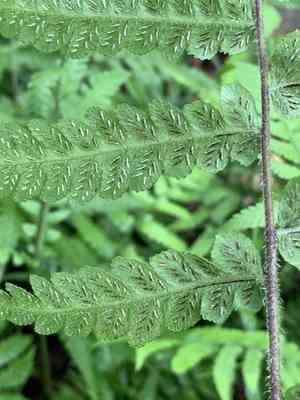
Black lady fern (Deparia japonica)
Also known as: Japanese Beech Fern
The black lady fern thrives in the dappled light found under forest canopies, typically in East Asian woodlands. It favors moist, nutrient-rich soil and enjoys the shaded, cool environment provided by the understory. Its broad, arching fronds and unique leaf arrangement make it a standout in these habitats.
In This Article
Attributes of Black lady fern
Lifespan
Perennial
Plant Type
Fern
Plant Height
25 cm to 61 cm
Spread
30 cm to 60 cm
Leaf Color
Bright Green
Flower Size
N/A
Flower Color
N/A
Images of Black lady fern
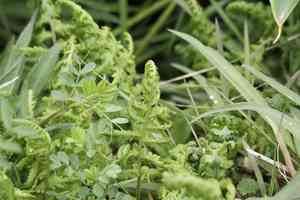
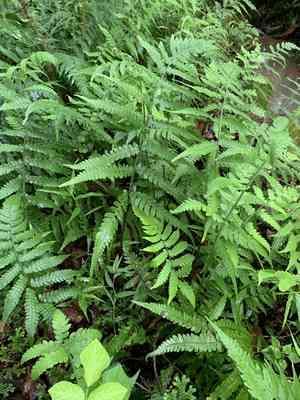
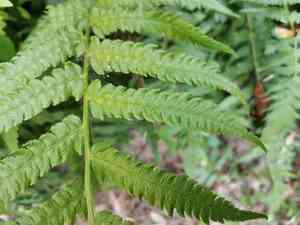
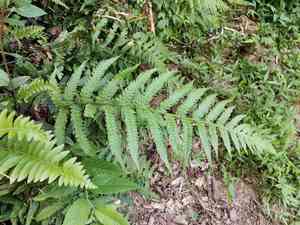
Quickly Identify Black lady fern
1
To identify Deparia japonica, look for its broad, arching fronds that are bipinnate, meaning each leaflet is divided into smaller leaflets. The fronds are typically bright green and form a vase-like clump.
Scientific Classification of Black lady fern
Phylum
Vascular plants
Class
Ferns
Order
Polypodiales
Family
Ladyferns and allies
Genus
False spleenworts
Species
Black lady fern
Planting and Growing of Black lady fern
Care Difficulty
Easy
Watering Schedule
Every 5 days
Sunlight Requirements
Partial sun
Sunshine Duration
6-8 hours
Ideal Temperature
65-75℉
Soil Type
Potting Mix, Peat Mix
Soil pH
6.5-7.5
Fertilizer Type
Balanced
Pruning Season
Spring, Summer
Pruning Area
Branches, Leaves
Pruning Frequency
2 times a year
Repotting Season
Spring
Pot Type
Ceramic, Plastic
 How to Water Black lady fern?
For Deparia japonica, ensure that the soil remains consistently moist but not waterlogged. Each watering session should observe the principle of achieving a balance that mimics a humid forest floor. On average, supply about 500 milliliters per session, ensuring the water percolates through the soil to the plant’s roots without leaving the soil saturated or swampy.
What are the symptoms of an underwatered Black lady fern?
›
What should I do if my Black lady fern is not getting enough water?
›
What are the symptoms of an overwatered Black lady fern?
›
How to save an overwatered Black lady fern?
›
 What Are the Sunlight Requirements for Black lady fern?
Deparia japonica thrives in a partial sun environment, similar to its natural forest undergrowth conditions. Ideal light ensures lush foliage and continuous growth, promoting the overall health and vitality of the plant.
More About Sunlight Requirements Techniques→
Best Location
›
Avoiding Direct Sunlight
›
Monitoring Light Changes
›
 What Is the Ideal Temperature Range for Black lady fern?
For optimal growth, Deparia japonica thrives best within a temperature range of 65°F to 75°F. This range provides the perfect balance for metabolic processes and photosynthesis, ensuring healthy plant development. Maintaining this temperature range can help in preventing stress that would otherwise reduce growth rate or lead to leaf damage.
 What Soil is Best for Black lady fern?
Deparia japonica thrives in soils that retain moisture well. Ensuring the soil remains consistently moist without becoming waterlogged is key to supporting its lush, green foliage, which can enhance the aesthetic of any garden space. This plant prefers nutrient-rich soil, which encourages healthy fern growth and robust leaf production. A well-fertilized soil provides essential nutrients that facilitate vigorous and vibrant plant health. While Deparia japonica enjoys moisture, it demands well-draining soil to prevent root rot. A soil structure that balances moisture retention and drainage capacity helps to maintain plant vitality and longevity.
 How to Fertilize Black lady fern?
When fertilizing Deparia japonica, a balanced 10-10-10 liquid fertilizer should be applied at a concentration of 1/2 teaspoon per gallon of water every two weeks during the growing season. For slow-release granules, apply 1/4 cup spread evenly over the soil surface once every four months.
 How to Prune Black lady fern?
Collect your pruning tools: sharp, clean scissors or shears are ideal. Make sure you have gloves to protect your hands from any potential irritants. Locate your Deparia japonica and assess which fronds are overgrown, damaged, or discolored. Ensure the plant is well-hydrated before you begin, which can make the task slightly easier and prevent any undue stress to the plant. Start by identifying the oldest, most mature fronds, which will be darker in color and possibly larger. Trim these back first, cutting as close to the base as possible without damaging other parts of the plant. Continue by removing any yellow, brown, or otherwise unhealthy-looking fronds. Aim for a balanced shape that allows for good air circulation and sunlight to reach all parts of the plant. This encourages healthier and more robust growth.
More About Pruning Techniques→
 How to Propagate Black lady fern plant?
1
Before beginning division, water the plant thoroughly to reduce stress and ensure roots are well hydrated. Gently lift the plant from the soil and remove excess dirt to expose the roots, being careful not to damage them.
2
Identify natural clumps or segments within the root ball. Use sharp tools to cut through the root mass, ensuring each section has adequate roots and foliage. Take care to make straight, clean cuts to promote healthy regrowth.
3
Prepare new pots or garden sections with suitable soil, ensuring good drainage. Position each division in its new location at the same depth it was previously growing, and fill in with soil. Water thoroughly to help settle the soil around the roots.
 How to Repot Black lady fern plant?
1
Watch for signs like roots poking through the drainage holes or the soil drying out too quickly. These indicate it's time to repot your Deparia japonica. Ideally, do this in spring or early summer when the plant is actively growing, enabling it to recover quickly from the stress of repotting.
2
Select a pot that is just one size larger than the current one, with sufficient drainage holes. This prevents root rot and ensures that the plant doesn't get overrun by excess soil moisture. Clay pots are a great choice as they allow the soil to dry out more rapidly between waterings.
3
Use a well-draining loamy mix with a bit of organic matter. This type of soil ensures adequate drainage while retaining enough moisture and nutrients for the plant's roots, promoting healthy growth and reducing the risk of root diseases.
Learn More About Black lady fern Diseases
Anthracnose
Bacterial Leaf Spot
Bacterial Soft Rot
Black Spot
Chemical Injury
Damping-off
Downy Mildew
Drought Stress
Fusarium Wilt
Gray Mold
Leaf Spot
Mosaic
Nutrient Deficiency
Nutrient Toxicity
Powdery Mildew
Root Rot
Root-knot Nematode
Sooty Mold
Spider Mites
Temperature Stress
Thrips Damage
White Mold



