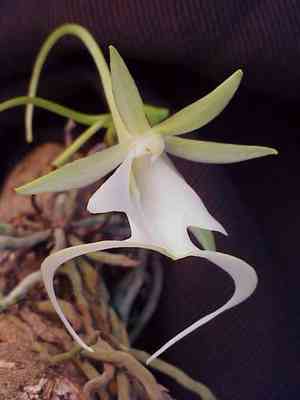
Palmpolly (Dendrophylax lindenii)
Also known as: Ghost Orchid
The Palmpolly, or "ghost orchid," is a mesmerizing leafless orchid known for its delicate, ghostly white flowers that appear to hover in mid-air. Its survival is closely tied to its intricate root system, which attaches to tree bark in humid, subtropical forests, drawing moisture and nutrients directly from the air and its surroundings. This rare orchid's existence depends on a specific symbiotic relationship with a particular fungus, highlighting its role as a symbol of fragile and finely balanced ecosystems.
In This Article
Attributes of Palmpolly
Lifespan
Perennial
Plant Type
Vine
Plant Height
Approximately 5-10 cm (root length not included)
Spread
Not applicable for this type of orchid
Leaf Color
Not applicable, as the plant lacks leaves
Flower Size
Up to 10 cm
Flower Color
White
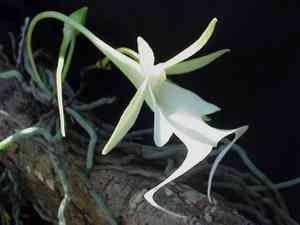
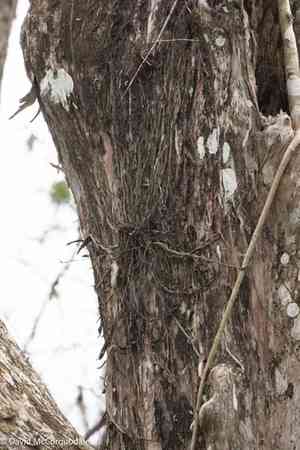
Images of Palmpolly


Quickly Identify Palmpolly
1
Leafless appearance with green roots suspending the plant in mid-air.
2
Distinct white to pale yellow flowers with long, downward-twisting tendrils resembling frog legs.
3
Alternately arranged small, bract-like leaves measuring less than 1 inch (2.5 cm).
4
Slender stem less than 0.8 inches (2 cm) in diameter, camouflaged by surrounding roots.
5
Tubular bracts sheathing racemes, opening successively with nocturnal fragrance.
Scientific Classification of Palmpolly
Phylum
Vascular plants
Class
Monocotyledons
Order
Asparagus and allies
Family
Orchid
Genus
Ghost orchid
Species
Palmpolly
Planting and Growing of Palmpolly
Care Difficulty
Hard
Watering Schedule
Every 2 days
Sunlight Requirements
Partial sun
Sunshine Duration
6-8 hours
Ideal Temperature
75-85℉
Soil Type
Potting Mix, Peat Mix
Soil pH
6.5-7.5
Fertilizer Type
Balanced
Pruning Season
Spring, Summer
Pruning Area
Branches, Leaves
Pruning Frequency
2 times a year
Repotting Season
Spring
Pot Type
Plastic, Ceramic
 How to Water Palmpolly?
Dendrophylax lindenii, also known as the Ghost Orchid, requires careful watering to mimic its natural environment. The plant needs about 100 milliliters of water per session. It's essential to ensure the water reaches the roots thoroughly, as this epiphytic orchid is highly sensitive to hydration levels.
What are the symptoms of an underwatered Palmpolly?
›
What should I do if my Palmpolly is not getting enough water?
›
What are the symptoms of an overwatered Palmpolly?
›
How to save an overwatered Palmpolly?
›
 What Are the Sunlight Requirements for Palmpolly?
Partial sun exposure replicates its natural environment effectively. This optimal lighting fosters graceful growth and encourages periodic and vigorous blooming while preserving its ecological authenticity.
How much sunlight does Dendrophylax lindenii need?
›
What solutions help achieve ideal lighting?
›
What are the benefits of ideal lighting for this plant?
›
 What Is the Ideal Temperature Range for Palmpolly?
The ideal temperature range for the Dendrophylax lindenii, also known as the Ghost Orchid, is between 75°F and 85°F. This range closely replicates the warm and humid conditions of its natural habitat, allowing for optimal growth and flowering. It helps maintain the plant's metabolic processes and ensures that it receives adequate energy to thrive without thermal stress.
 What Soil is Best for Palmpolly?
Dendrophylax lindenii thrives in soil with high moisture content mimicking the swampy environments of its natural habitat. Sufficient moisture prevents the roots from drying out, crucial for their survival and growth. The roots of Dendrophylax lindenii prefer well-drained soils. This prevents waterlogging, which can lead to root rot. Good drainage is essential to maintain an optimal root environment. This plant benefits from soil rich in organic matter, providing essential nutrients for growth. Nutrient-rich soil allows the plant to maintain its lush appearance and supports healthier, stronger roots.
 How to Fertilize Palmpolly?
For Dendrophylax lindenii, also known as the ghost orchid, it's crucial to use a very diluted fertilizer solution. A quarter strength of the recommended dilution on the fertilizer label is ideal to prevent root burn. This ensures the orchid receives just the right nutrients without overwhelming its delicate roots.
 How to Prune Palmpolly?
Start by gathering sterilized scissors or pruning shears to prevent the transmission of diseases. Cleaning tools with rubbing alcohol is essential. Ensure a clear view of the plant so you can accurately assess which parts require pruning. Examine the aerial root system carefully since Dendrophylax lindenii lacks leaves. Identify any dry, brittle, or discolored roots that indicate damage. These can be carefully trimmed, promoting the health of the remaining roots. Trim back any damaged roots using your sterilized tools, cutting just above the healthy tissue. Take care to make clean cuts to avoid crushing or tearing the roots, which can invite infections. After pruning, monitor the plant closely for signs of stress or infection. Maintain optimal growing conditions with adequate humidity and airflow to assist in the healing process and support robust growth.
More About Pruning Techniques→
 How to Propagate Palmpolly plant?
1
Begin by preparing the sterile orchid flasking medium. Ensure that the medium contains all the necessary nutrients and is properly sterilized. Pour it into sterile containers under a laminar flow hood to maintain sterility.
2
Carefully sow the seeds on the prepared medium without overcrowding. This requires patience and a steady hand, as seeds are often tiny and require careful distribution to prevent clumping.
3
Consistently maintain sterile conditions after sowing. This involves keeping the containers sealed and handling them in a clean, controlled environment to prevent any fungal or bacterial infections.
 How to Repot Palmpolly plant?
1
Dendrophylax lindenii shows signs like excessively matted roots and stagnant growth when it needs repotting. Ideally, do this in the Spring or Summer when it is actively growing, ensuring minimal shock to the plant.
2
Select a pot that offers excellent drainage, as well as space for the roots to expand. This helps prevent waterlogged conditions, which can lead to root rot, particularly important for epiphytic orchids like Dendrophylax lindenii.
3
Opt for a very loose, airy bark-based mix to mimic its natural environment. This ensures proper airflow around the roots and prevents compaction that could suffocate this epiphytic species.



