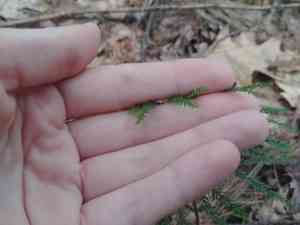
Flat-Branched Tree-Clubmoss (Dendrolycopodium obscurum)
Also known as: Ground pine, Prince's pine, Tree Clubmoss
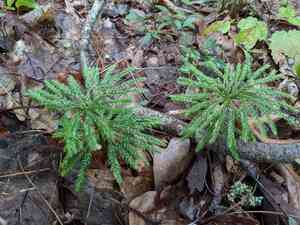
Dendrolycopodium obscurum, also known as flat-branched tree-clubmoss, is commonly referred to as "Princess Pine" or "Ground Pine," the latter due to its resemblance to miniature pine trees. This plant typically grows in forested areas and wetlands. It is also popular for cultivation in terrariums.
In This Article
Attributes of Flat-Branched Tree-Clubmoss
Lifespan
Perennial
Plant Type
Tree
Plant Height
13 cm to 20 cm
Spread
N/A (it forms mats or colonies rather than having a distinct crown)
Leaf Color
Bright green
Flower Size
N/A (it does not produce true flowers)
Flower Color
Yellow Green Brown
Images of Flat-Branched Tree-Clubmoss
Quickly Identify Flat-Branched Tree-Clubmoss
1
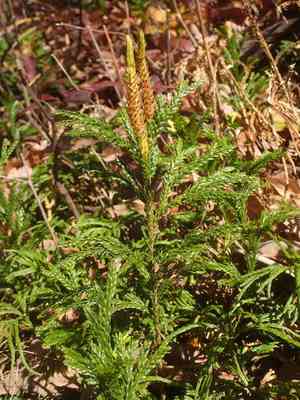
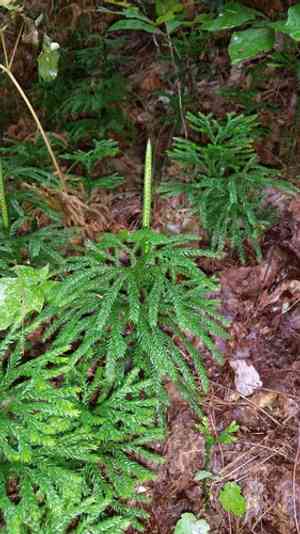
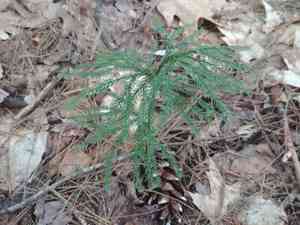
It can be identified by its small, dense, and bushy clusters of needle-like leaves and its creeping stems. Unlike true pines, its leaves are single-veined and it lacks woody stems.
Scientific Classification of Flat-Branched Tree-Clubmoss
Phylum
Vascular plants
Class
Club mosses
Order
Lycopodiales
Family
Clubmosses
Genus
Dendrolycopodium
Species
Flat-Branched Tree-Clubmoss
Planting and Growing of Flat-Branched Tree-Clubmoss
Care Difficulty
Easy
Watering Schedule
Every 2 days
Sunlight Requirements
Partial sun
Sunshine Duration
4-6 hours
Ideal Temperature
60-75℉
Soil Type
Potting Mix, Peat Mix
Soil pH
5-6
Fertilizer Type
Balanced
Pruning Season
Spring, Summer
Pruning Area
Branches, Leaves
Pruning Frequency
2 times a year
Repotting Season
Spring
Pot Type
Plastic, Ceramic
 How to Water Flat-Branched Tree-Clubmoss?
Dendrolycopodium obscurum requires moderate watering. Each time, pour about 250 ml of water. Ensure the soil feels moist to the touch but not soggy, allowing it to dry slightly between waterings. Consistent moisture is key, emulating the plant's natural woodland habitat. This helps maintain its lush green appearance, ensuring it remains vibrant and healthy.
What are the symptoms of an underwatered Flat-Branched Tree-Clubmoss?
›
What should I do if my Flat-Branched Tree-Clubmoss is not getting enough water?
›
What are the symptoms of an overwatered Flat-Branched Tree-Clubmoss?
›
How to save an overwatered Flat-Branched Tree-Clubmoss?
›
 What Are the Sunlight Requirements for Flat-Branched Tree-Clubmoss?
This plant prospers in partial sun or full shade, with ideal benefits including enhanced foliage color and overall plant health, resembling its natural shady forest conditions.
More About Sunlight Requirements Techniques→
What is the best lighting setup for Dendrolycopodium obscurum?
›
How can I ensure optimal light conditions indoors?
›
What are the benefits of providing ideal light conditions?
›
 What Is the Ideal Temperature Range for Flat-Branched Tree-Clubmoss?
The ideal temperature range for Dendrolycopodium obscurum is from 60°F to 75°F. This range provides optimal growing conditions, allowing the plant to thrive by mimicking its natural environment. Maintaining this range helps ensure healthy foliage and growth.
 What Soil is Best for Flat-Branched Tree-Clubmoss?
Dendrolycopodium obscurum thrives in soil that can retain moisture without becoming waterlogged. This ensures the roots remain hydrated, leading to healthier growth and more vibrant foliage. A nutrient-rich soil provides essential nutrients that promote robust growth and development for Dendrolycopodium obscurum. High levels of organic matter are beneficial, supporting the plant's metabolic processes. Well-draining soil prevents root rot, which can be detrimental to the health of Dendrolycopodium obscurum. This soil type balances moisture while allowing excess water to escape, ensuring a healthy root environment.
 How to Fertilize Flat-Branched Tree-Clubmoss?
When fertilizing Dendrolycopodium obscurum, it is crucial to apply the fertilizer sparingly, as over-fertilization can lead to detrimental effects. Utilize a half-strength balanced liquid fertilizer, ensuring not to oversaturate the soil, as this species prefers low nutrient concentration similar to its native habitat.
 How to Prune Flat-Branched Tree-Clubmoss?
When pruning Dendrolycopodium obscurum, use sharp shears to snip back dead or overgrown branches. Start at the base and move upwards, following the natural shape of the plant, to ensure you maintain its unique structure while removing any unsightly growth. Begin by inspecting the plant for any dead or unhealthy branches, then trim these back to the base. Next, identify any shoots that disrupt the plant's symmetry and trim them off to encourage a balanced form. Finally, thin out crowded areas to enhance air circulation and prevent disease.
More About Pruning Techniques→
 How to Propagate Flat-Branched Tree-Clubmoss plant?
1
Choose a mature Dendrolycopodium obscurum plant that shows no signs of disease or pest damage to ensure successful propagation. Inspect the plant carefully to confirm its health.
2
Gently remove the plant from its pot or ground, and carefully separate the root ball into smaller sections using a sharp knife. Ensure that each section has a healthy amount of roots and foliage.
3
Plant each division into its own pot with fresh potting soil. Water them thoroughly to help settle the soil around the roots and place them in a location with suitable light conditions.
 How to Repot Flat-Branched Tree-Clubmoss plant?
1
Watch for signs like slowed growth, roots growing through drainage holes, or soil drying out too quickly. These indicate that it's time to consider repotting your Dendrolycopodium obscurum for healthier growth.
2
Select a pot that is only slightly larger than the current one, ideally 1-2 inches wider in diameter. Choose a pot with good drainage; this prevents water from accumulating at the bottom, which can lead to root rot.
3
Opt for well-draining acidic soil, rich in organic matter. This type of soil mimics the plant's natural habitat and helps ensure that the roots receive the right balance of moisture and nutrients.



