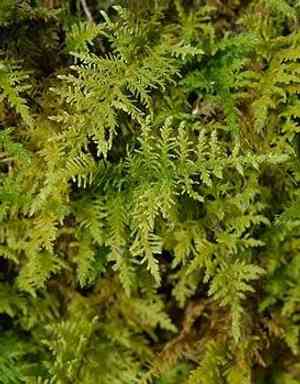
Dendroalsia (Dendroalsia) (Dendroalsia)
Also known as: Dendroalsia moss
Dendroalsia is a genus of mosses known for their dense, carpet-like growth and attractive, evergreen foliage. They typically grow in moist, shaded environments.
In This Article
Attributes of Dendroalsia (Dendroalsia)
Lifespan
Perennial
Plant Height
Up to 10 cm
Spread
N/A
Leaf Color
Green
Flower Size
N/A
Flower Color
N/A
Images of Dendroalsia (Dendroalsia)
Quickly Identify Dendroalsia (Dendroalsia)
1
Identify Dendroalsia by its dense, cushion-like mats, small overlapping leaves, and vibrant green color. It often grows on tree trunks, rocks, and forest floors.
Scientific Classification of Dendroalsia (Dendroalsia)
Phylum
Bryophyta
Class
Bryopsida
Order
Hypnales
Family
Thuidiaceae
Genus
Dendroalsia
Planting and Growing of Dendroalsia (Dendroalsia)
Care Difficulty
Hard
Watering Schedule
Every 3 days
Sunlight Requirements
Partial sun
Sunshine Duration
4-6 hours
Ideal Temperature
55-75℉
Soil Type
Potting Mix, Peat Mix
Soil pH
6-7.5
Fertilizer Type
Balanced
Pruning Season
Spring, Summer
Pruning Area
Branches, Leaves
Pruning Frequency
2 times a year
Repotting Season
Spring
Pot Type
Plastic, Ceramic
 How to Water Dendroalsia (Dendroalsia)?
The Dendroalsia should be watered until the soil is evenly moist but not soggy. Ideally, 150 ml of water per session is sufficient to reach the desired moisture level, ensuring the top inch of soil feels slightly damp to the touch. This ensures the plant receives adequate hydration without risking root rot.
What are the symptoms of an underwatered Dendroalsia (Dendroalsia)?
›
What should I do if my Dendroalsia (Dendroalsia) is not getting enough water?
›
What are the symptoms of an overwatered Dendroalsia (Dendroalsia)?
›
How to save an overwatered Dendroalsia (Dendroalsia)?
›
 What Are the Sunlight Requirements for Dendroalsia (Dendroalsia)?
Dendroalsia thrives best in partial sun conditions. Ensuring it receives some filtered light daily promotes healthy growth, sufficient photosynthesis, and increased resilience.
What are the best lighting conditions for Dendroalsia?
›
How can I achieve these ideal lighting conditions?
›
What benefits does Dendroalsia gain from ideal lighting?
›
 What Is the Ideal Temperature Range for Dendroalsia (Dendroalsia)?
The ideal temperature range for nurturing Dendroalsia is between 55°F and 75°F. Within this range, the plant can thrive and maintain optimal metabolic and growth processes. Maintaining such temperatures ensures that photosynthesis occurs efficiently, supporting the plant's overall health and vigor. It is essential to replicate these conditions in controlled environments to mimic the plant's natural habitat, thus promoting robust growth and resilience against minor stress factors.
 What Soil is Best for Dendroalsia (Dendroalsia)?
Dendroalsia appreciates soil that allows excess water to drain away effortlessly. This prevents root rot and other moisture-related problems by ensuring the roots don't sit in water for prolonged periods. The plant thrives in soil abundant in organic matter. Rich nutrients support its lush growth, vibrant foliage, and overall health by supplying essential minerals required for photosynthesis and development. While Dendroalsia demands good drainage, it also benefits from soil that retains some moisture. This helps sustain the plant during dry spells, ensuring consistent hydration without overly wet conditions.
 How to Fertilize Dendroalsia (Dendroalsia)?
Dendroalsia, being a bryophyte species, requires a careful fertilization approach to mimic its natural habitat. Use a diluted liquid fertilizer at a quarter of the recommended strength. Ensure the fertilizer is balanced and high in potassium and nitrogen to support healthy growth. Apply sparingly to avoid nutrient overload.
 How to Prune Dendroalsia (Dendroalsia)?
Begin pruning by removing any dead or damaged branches. These parts do not contribute to the plant's health and can be visually unappealing. Use careful cuts to ensure that you avoid tearing or further damaging the plant structure. Once the damaged sections are cleared, focus on shaping the Dendroalsia. Cut back overgrown areas to maintain a balanced form. This process is important to preserve the plant's natural shape and encourage uniform growth. Aim for an aesthetically pleasing look while considering the plant's natural patterns. Throughout the pruning process, keep an eye out for any signs of disease, such as unusual spots or discoloration. Quick action in removing affected areas can save the rest of the plant. Post-pruning, monitor your plant to ensure it remains healthy and vibrant.
 How to Propagate Dendroalsia (Dendroalsia) plant?
1
Before starting the division process, water the plant thoroughly to make handling and separation easier. Ensure the plant is healthy and free from disease or pests.
2
Carefully remove the plant from its pot, gently teasing apart the root ball into smaller sections. Each division should include roots and at least one growing point to ensure successful propagation.
3
After division, plant each section in a suitable mix and pot, ensuring they are positioned correctly. Provide adequate light and water to encourage root establishment and growth.
 How to Repot Dendroalsia (Dendroalsia) plant?
1
Observe your Dendroalsia for signs of distress such as roots emerging from drainage holes or noticeable slowing in growth. Spring and autumn provide optimal temperatures and conditions, allowing the plant to recover and establish in its new home, offering increased vigor and health benefits.
2
Choose a pot with adequate drainage to prevent waterlogging, which is crucial for maintaining healthy roots. Opt for a size slightly larger than the current pot to provide room for root expansion without overwhelming the plant, ensuring stability and promoting healthy growth.
3
Select a soil mix that remains moist yet drains efficiently to mimic the plant's natural habitat. This balance helps discourage root rot while maintaining necessary hydration levels, promoting robust health and enhancing nutrient uptake in your Dendroalsia.
Learn More About Dendroalsia (Dendroalsia) Diseases
Anthracnose
Bacterial Leaf Spot
Bacterial Soft Rot
Bacterial Wilt
Black Spot
Chemical Injury
Crown Gall
Damping-off
Downy Mildew
Drought Stress
Fusarium Wilt
Gray Mold
Leaf Curl
Leaf Spot
Mosaic
Nutrient Deficiency
Nutrient Toxicity
Powdery Mildew
Root Rot
Root-knot Nematode
Rusts
Sooty Mold
Spider Mites
Temperature Stress
Thrips Damage
White Mold

