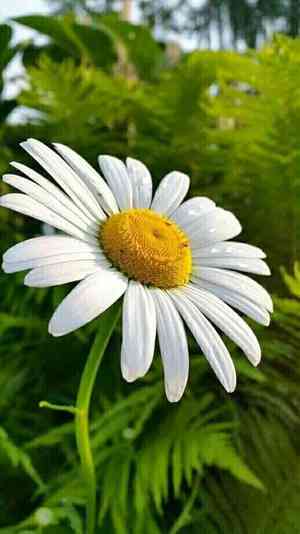
Dendranthema grandiflorum (Dendranthema grandiflorum)
Also known as: Chrysanthemum
Dendranthema grandiflorum, commonly known as the Florist's Daisy or Hardy Garden Mum, is a popular ornamental plant widely cultivated for its vibrant and often colorful flowers. They are typically used in gardening and floral arrangements and are key components in autumnal displays. These plants have a compact growth habit and a robust tolerance to various climates, making them versatile for decorations and gardening.
In This Article
Attributes of Dendranthema grandiflorum
Lifespan
Perennial
Plant Height
100-150 cm
Spread
50-100 cm
Leaf Color
Green
Flower Size
5-20 cm
Flower Color
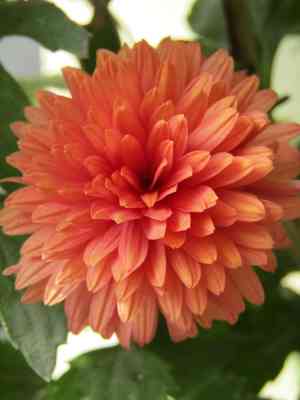
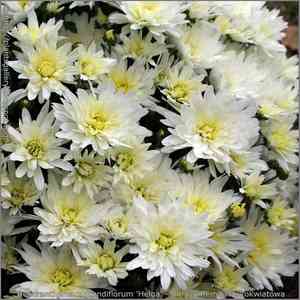
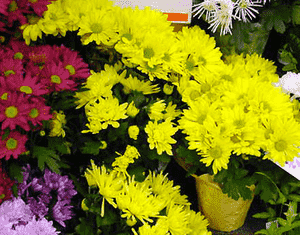
Can be pink, red, yellow, lavender, purple, orange, or white
Images of Dendranthema grandiflorum
Quickly Identify Dendranthema grandiflorum
1
Identifying Dendranthema grandiflorum involves looking at the flower. It is famous for its colorful flowers, which can be pink, purple, red, yellow, white or bicolor. The leaves are alternately arranged and are divided into leaflets with toothed or occasionally smooth edges.
Scientific Classification of Dendranthema grandiflorum
Phylum
Magnoliophyta
Class
Magnoliopsida
Order
Asterales
Family
Asteraceae
Genus
Dendranthema
Species
Dendranthema grandiflorum
Planting and Growing of Dendranthema grandiflorum
Watering Schedule
Every 4 days
Sunlight Requirements
Partial sun
Sunshine Duration
10-12 hours
Ideal Temperature
60-70℉
Soil Type
Potting Mix, Peat Mix
Soil pH
6.5-7.5
Fertilizer Type
Balanced
Pruning Season
Spring, Summer
Pruning Area
Branches, Leaves
Pruning Frequency
2 times a year
Repotting Season
Spring
Pot Type
Plastic, Ceramic
 How to Water Dendranthema grandiflorum?
For Dendranthema grandiflorum, a generous watering of about 500 milliliters is ideal as it allows the water to reach the root ball thoroughly. Ensure that the water drains well to avoid root rot. Adjust the amount based on the season and humidity levels.
What are the symptoms of an underwatered Dendranthema grandiflorum?
›
What should I do if my Dendranthema grandiflorum is not getting enough water?
›
What are the symptoms of an overwatered Dendranthema grandiflorum?
›
How to save an overwatered Dendranthema grandiflorum?
›
 What Are the Sunlight Requirements for Dendranthema grandiflorum?
Dendranthema grandiflorum benefits from partial to full sun conditions. This promotes healthy growth, strong stem development, and abundant flowering, creating a vibrant and resilient plant with optimal photosynthetic activity.
What is the ideal sunlight level for Dendranthema grandiflorum?
›
How can you achieve ideal lighting for the plant indoors?
›
What are the benefits of providing ideal light conditions?
›
 What Is the Ideal Temperature Range for Dendranthema grandiflorum?
The ideal temperature range for growing Dendranthema grandiflorum is between 60°F and 70°F. This range ensures optimal growth by maintaining balanced conditions that prevent stress on the plant. Within this temperature window, chrysanthemums are able to photosynthesize efficiently, resulting in healthy foliage and vibrant blooms. Moreover, maintaining these temperatures helps reduce the risk of disease and pest issues that might arise in suboptimal conditions.
 What Soil is Best for Dendranthema grandiflorum?
Dendranthema grandiflorum thrives best in well-draining soil which prevents root rot by quickly dispersing excess water. This ensures the roots are oxygenated, promoting healthy growth and vibrant blooms. This plant requires soil that is rich in organic matter and essential nutrients. Using compost or well-rotted manure can enhance soil fertility, ensuring robust growth and superior flower production. Maintaining a moderately moist but not waterlogged soil moisture level is essential. Consistent moisture supports steady growth, especially during the blooming phase, enhancing the plant's overall vigor.
 How to Fertilize Dendranthema grandiflorum?
For Dendranthema grandiflorum, use a balanced liquid fertilizer diluted to half strength. Apply approximately 1 tablespoon per gallon of water every time you water during its growing season.
 How to Prune Dendranthema grandiflorum?
When pruning Dendranthema grandiflorum, aim to make cuts just above a leaf node or a healthy bud. This encourages side shoots to develop, leading to a fuller plant. Prioritize cutting away any dead, damaged, or diseased stems. This not only improves the plant's appearance but also prevents the spread of disease, helping to sustain a thriving plant. While pruning, mind the overall shape of the plant. Regularly remove any overly long or leggily growing stems to maintain an even and desirable shape, promoting strong and balanced growth.
 How to Propagate Dendranthema grandiflorum plant?
1
Choose healthy, disease-free stems with several leaves when taking cuttings. The health of the stem impacts the success rate of root formation and growth.
2
Use a well-draining potting mix, consisting of equal parts peat and perlite or vermiculite. This mix provides the necessary aeration and moisture retention for cuttings.
3
Insert the cuttings into small pots filled with the prepared potting mix. The pots should have drainage holes to ensure excess water can escape, preventing root rot.
 How to Repot Dendranthema grandiflorum plant?
1
The ideal time to repot Dendranthema grandiflorum is when you observe roots protruding from the drainage holes or when the plant's growth has visibly slowed down. This indicates that the roots are likely outgrowing their current environment and need more space to flourish.
2
Select a pot that is one size larger than the current one. Ensure it has ample drainage holes to prevent waterlogging, which could otherwise lead to root rot. A slightly larger pot gives roots space to grow without excess soil that retains moisture, striking a balance beneficial for healthy root development.
3
Opt for a well-draining potting mix rich in organic matter. This type of soil structure aids in optimal moisture retention while allowing for adequate aeration, a perfect blend ensuring the roots get necessary nutrients and air, crucial for robust growth.
Learn More About Dendranthema grandiflorum Diseases
Anthracnose
Bacterial Leaf Spot
Bacterial Soft Rot
Bacterial Wilt
Crown Gall
Cyst Nematode
Damping-off
Downy Mildew
Drought Stress
Fusarium Wilt
Gray Mold
Leaf Spot
Mosaic
Nutrient Deficiency
Nutrient Toxicity
Powdery Mildew
Root Rot
Root-knot Nematode
Rusts
Sooty Mold
Spider Mites
Temperature Stress
Thrips Damage
White Mold

