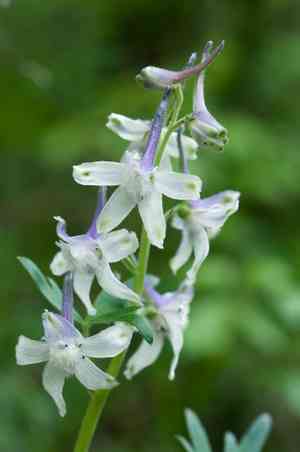
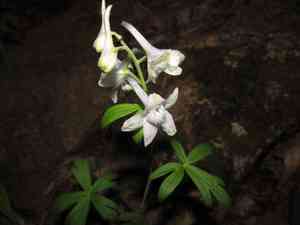
Dwarf larkspur (Delphinium tricorne)
Also known as: Spring Larkspur
Dwarf larkspur (Delphinium tricorne) typically grows in its natural habitat within the eastern United States, flourishing in rich woodlands, open woods, and areas near streams. Its striking purple blooms are known to attract butterflies and hummingbirds, making it popular for ornamental gardening. The name "tricorne" is derived from the plant's three-horned seed pods.
Attributes of Dwarf larkspur
Images of Dwarf larkspur
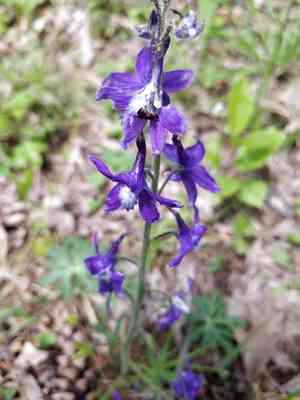
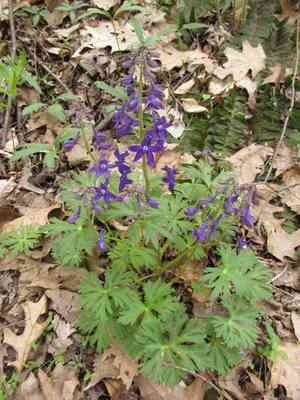
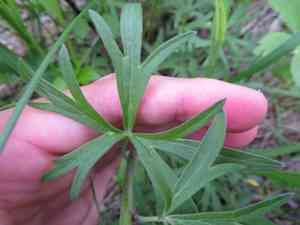
Quickly Identify Dwarf larkspur
Scientific Classification of Dwarf larkspur
Planting and Growing of Dwarf larkspur
 How to Water Dwarf larkspur?
 What Are the Sunlight Requirements for Dwarf larkspur?
 What Is the Ideal Temperature Range for Dwarf larkspur?
 What Soil is Best for Dwarf larkspur?
 How to Fertilize Dwarf larkspur?
 How to Prune Dwarf larkspur?
 How to Propagate Dwarf larkspur plant?
 How to Repot Dwarf larkspur plant?
Toxicity of Dwarf larkspur
Is Dwarf larkspur toxic to humans?
The dwarf larkspur poses a risk of poisoning in humans when ingested and can also lead to skin irritation upon contact with the plant itself. Every component of the plant is deemed toxic, yet the seeds and tender leaves harbor the highest levels of toxins identified as diterpenoid alkaloids. Older specimens exhibit reduced toxicity, and the overall poisonous nature may vary with seasonal fluctuations and soil conditions. The symptoms of poisoning can range from severe to potentially fatal in the most extreme instances. If consumed, the dwarf larkspur can result in burning sensations in the lips and mouth, numbness in the throat, severe gastrointestinal distress (including vomiting, diarrhea, and colic), muscle weakness and spasms, a slowed heart rate, lethargy, and convulsions. Without appropriate medical attention, this type of poisoning can lead to cardiac and respiratory system failures.
Is Dwarf larkspur toxic to cat?
Dwarf larkspur presents a significant toxicity risk to cats. If a cat comes into contact with or consumes any part of this plant, it could result in severe health issues, as the entire organism harbors toxic compounds. In particular, dwarf larkspur contains diterpene alkaloids, recognized for their hazardous nature. A cat that has ingested this plant may display symptoms such as distress, illness, or pain, which reflect the plant's considerable toxicity. Cat owners need to remain attentive and keep their pets away from dwarf larkspur. Should exposure be suspected, it is essential to seek prompt veterinary assistance to ensure the best possible outcome for the affected cat.
Is Dwarf larkspur toxic to dog?
The plant species known as dwarf larkspur presents a significant toxicity hazard for dogs. Canines can suffer poisoning from this plant via skin contact or unintentional ingestion. Upon exposure to dwarf larkspur, dogs may display symptoms including gastrointestinal distress, muscular weakness, and potentially critical cardiac issues. The entire plant is toxic, as it harbors dangerous compounds that can lead to serious health problems in dogs. If you suspect that your dog has come into contact with or consumed dwarf larkspur, it is crucial to seek prompt veterinary assistance to ensure the best possible health outcome for your pet.



