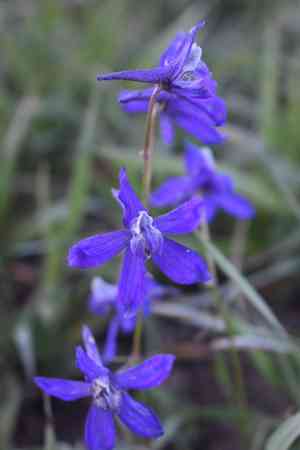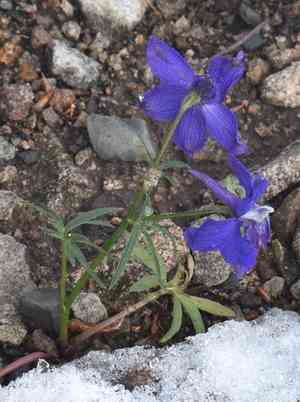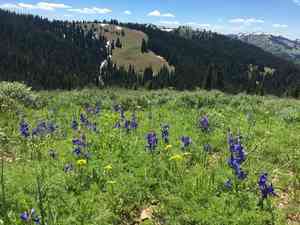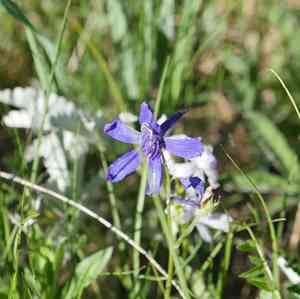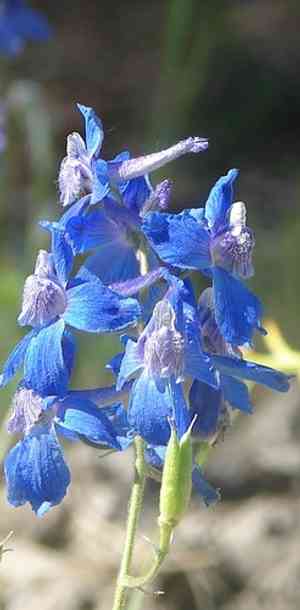
Twolobe larkspur(Delphinium nuttallianum)

Twolobe larkspur (Delphinium nuttallianum)

Also known as: Sonne's larkspur, Low larkspur, Delphinium, Plains larkspur

Monkshood (Aconitum) is a perennial flowering plant that is highly toxic to humans and can be fatal if ingested. It features deep blue to blue-violet blooms that attract hummingbirds.

Attributes of Twolobe larkspur

Lifespan
Perennial
Plant Type
Herb
Plant Height
10 cm to 51 cm
Spread
15 cm to 30 cm
Leaf Color
Green Yellow
Flower Size
1 to 2 inches
Flower Color
Blue White Purple Lavender

ForwardPlant - Identify plants with a snap

Identify and diagnose plants, get toxicity alerts, and explore safety guides for all types of fungi.

Try for Free

Images of Twolobe larkspur

Twolobe larkspur(Delphinium nuttallianum)

Quickly Identify Twolobe larkspur

1
Look for tall, slender stems with deeply lobed leaves and striking, spurred flowers that are typically blue or purple. The plants usually grow in open, sunny areas of mountainous regions.

Scientific Classification of Twolobe larkspur

Phylum
Vascular plants
Class
Dicotyledons
Order
Ranunculales
Family
Buttercup
Genus
Larkspurs
Species
Twolobe larkspur

Planting and Growing of Twolobe larkspur

Care Difficulty
Hard
Watering Schedule
Every 2 days
Sunlight Requirements
Full sun
Sunshine Duration
4-8 hours
Ideal Temperature
60-70℉
Soil Type
Potting Mix, Peat Mix
Soil pH
6.5-7.5
Fertilizer Type
Balanced
Pruning Season
Spring, Summer
Pruning Area
Branches, Leaves
Pruning Frequency
2 times a year
Repotting Season
Spring
Pot Type
Ceramic, Plastic

water icon How to Water Twolobe larkspur?

The amount of water needed for Delphinium nuttallianum should ensure the soil is consistently moist but not waterlogged. Aim to water with approximately 250 ml each time, making sure that the water seeps through the soil and reaches the roots effectively.
What are the symptoms of an underwatered Twolobe larkspur?
What should I do if my Twolobe larkspur is not getting enough water?
What are the symptoms of an overwatered Twolobe larkspur?
How to save an overwatered Twolobe larkspur?

sunlight icon What Are the Sunlight Requirements for Twolobe larkspur?

Sunlight Requirements: Full sun, Partial sun
Duration of light: 4 to 6 hours
Delphinium nuttallianum thrives best in full sun to partial sun, making it crucial for your garden planning. Adequate sunlight encourages prolific flowering and sturdy stems, filling your landscape with vibrant, long-lasting blooms.
What are the best light conditions for Delphinium nuttallianum?
How can I ensure Delphinium nuttallianum receives ideal light?
What benefits does Delphinium nuttallianum gain from ideal light conditions?
More About Sunlight Requirements Techniques

temperature icon What Is the Ideal Temperature Range for Twolobe larkspur?

Ideal Temperature: 60 ~ 70℉
For optimal growth, Delphinium nuttallianum thrives in temperatures ranging from 60°F to 70°F. This temperature range supports photosynthesis and healthy metabolic processes, ensuring vibrant blooms and robust plant health.

soil icon What Soil is Best for Twolobe larkspur?

Soil type: Sandy loam, Loam
Soil PH: 6.5 ~ 7.5
Delphinium nuttallianum thrives in well-drained soils that prevent waterlogging, which can lead to root rot. A sandy loam soil ensures adequate drainage while retaining enough moisture for healthy plant growth. Rich organic matter enhances nutrient availability essential for robust growth and vivid blooms. Incorporating compost or well-rotted manure into the soil can significantly boost plant health and flowering. Consistent moisture levels are crucial, but overly wet conditions should be avoided. Maintaining moderate moisture helps sustain the plant during dry spells without compromising root health.

fertilize icon How to Fertilize Twolobe larkspur?

Fertilizer type: Balanced
For Delphinium nuttallianum, a balanced fertilizer is essential. When using liquid fertilizer, mix it at half strength to avoid overwhelming the plant roots. Apply it evenly until the soil is moist but not waterlogged. For solid fertilizers, consider using a 14-14-14 NPK slow-release formula and apply sparingly around the base of the plant, ensuring not to touch the stem directly.

prune icon How to Prune Twolobe larkspur?

Pruning Time: Spring, Summer
Begin by removing dead or spent stems down to the base. This not only clears out unsightly foliage but also encourages new growth. Aim for a clean cut close to the crown of the plant. To prolong blooming, regularly pinch off spent blooms. This practice, known as deadheading, redirects the plant's energy towards producing new flowers rather than seed formation. For a well-shaped Delphinium, cut back any overgrown stems that disrupt the plant's natural symmetry. Prune just above a leaf node to encourage a bushier appearance. More About Pruning Techniques

propagate icon How to Propagate Twolobe larkspur plant?

Propagate Time: Early spring, Spring, Early summer
1
After the flowering period, Delphinium seeds can be collected. Allow seed pods to dry on the plant before collecting to ensure full maturity. Be sure to store seeds in a cool, dry place until planting.
2
Select healthy stems for cuttings. Using pruning shears, cut a non-flowering stem just below a node. Strip the lower leaves, leaving a few on top to sustain the cutting during root development.
3
Whether planting seeds or cuttings, ensure the soil is well-draining and rich in organic matter. Water gently to keep the soil moist but not soggy, which supports germination and root growth.
More About Propagating Techniques

repot icon How to Repot Twolobe larkspur plant?

Repotting frequency: Every 2-3 years
1
The ideal time to repot Delphinium nuttallianum is indicated by overgrown roots emerging from the drainage holes, or if the plant's growth seems stunted. Observing such signs indicates the plant needs more room to flourish.
2
Select a pot that is 1-2 inches larger in diameter than the current pot, allowing for additional root growth. A slightly larger pot provides stability and better moisture retention, promoting healthy plant development.
3
Opt for well-draining, loamy soil enriched with organic matter to ensure proper drainage while retaining adequate nutrients. This type of soil prevents root rot and encourages robust plant health.

ForwardPlant - Identify plants with a snap

Find the best spots for them to optimize their health, simply using your phone.

Try for Free

Toxicity of Twolobe larkspur

Is Twolobe larkspur toxic to humans?

All components of the twolobe larkspur are highly toxic upon consumption due to the presence of perilous alkaloids. Indeed, consuming twolobe larkspur can lead to fatal outcomes. Although this plant possesses its highest toxicity in its younger stages, it is advisable to avoid ingestion at any age or under any circumstances. Nonetheless, twolobe larkspur can be safely handled and cultivated. Symptoms arising from twolobe larkspur poisoning encompass burning sensations in the lips and mouth, throat numbness, vomiting, diarrhea, muscular weakness and spasms, a weak pulse, respiratory decline, and convulsions.

Is Twolobe larkspur toxic to cat?

Twolobe larkspur presents a moderate toxicity risk to cats and is hazardous if consumed. Every part of this plant is detrimental, making it vital for cat owners to rigorously restrict access to it. Cats that come into contact with twolobe larkspur may endure physical discomfort, illness, or pain that signals potential poisoning; the specific symptoms can differ based on the quantity ingested and the individual cat's reactions to the toxin. In cases where poisoning is suspected, it is crucial to act swiftly and take the cat to a veterinary clinic for accurate diagnosis and treatment to alleviate the dangers related to the toxicity of twolobe larkspur.

Is Twolobe larkspur toxic to dog?

Twolobe larkspur presents a moderate toxicity threat to dogs. This plant can poison canines if any portion is consumed, as all its parts are harmful. Following ingestion, dogs may show signs such as gastrointestinal distress, muscular tremors, or heart-related problems. It is essential for dog owners to restrict their pets from areas where twolobe larkspur grows and to keep a vigilant eye on them in settings where this plant exists. If a dog does consume twolobe larkspur, it is vital to obtain immediate veterinary assistance to secure the best possible outcome for the affected pet.

Identify toxic plants for your safety

Learn which plants are harmful to you and your pets, and make informed choices for a safer home!

Try for Free
WARNING
The judgment on toxicity and danger is for reference only. We DO NOT GUARANTEE any accuracy of such judgment. Therefore, you SHALL NOT rely on such judgment. It is IMPORTANT TO SEEK PROFESSIONAL ADVICE in advance when necessary.
More About Toxic Techniques