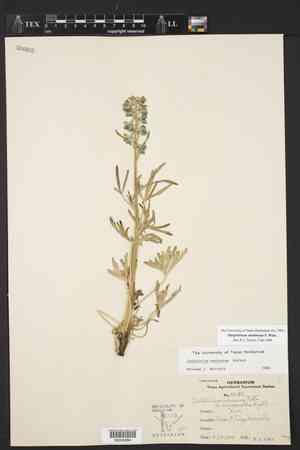
Sierra madre larkspur (Delphinium madrense)
Also known as: none
Sierra Madre larkspur, known for its striking blue flowers, is a popular choice for gardens. For optimal growth, plant it in well-draining soil and ensure it receives full sun, while also providing some protection from strong winds. This plant is a magnet for pollinators like bees, birds, and butterflies. However, be cautious as it is toxic to humans. It's named after the Sierra Madre mountains in Mexico.
In This Article
Attributes of Sierra madre larkspur
Lifespan
Perennial
Plant Type
Herb
Plant Height
100-150 cm
Spread
30-50 cm
Leaf Color
Green
Flower Size
2-5 cm
Flower Color
Blue, Purple
Images of Sierra madre larkspur
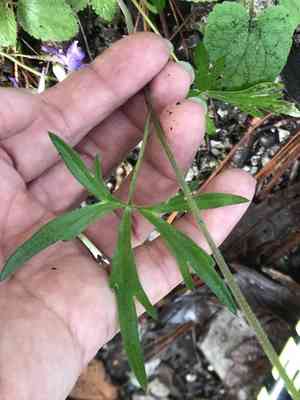
Quickly Identify Sierra madre larkspur
1
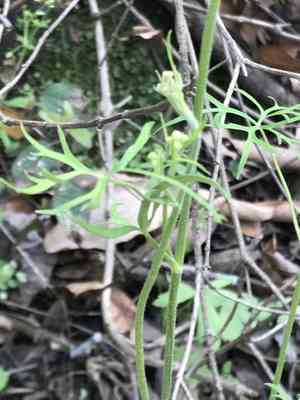
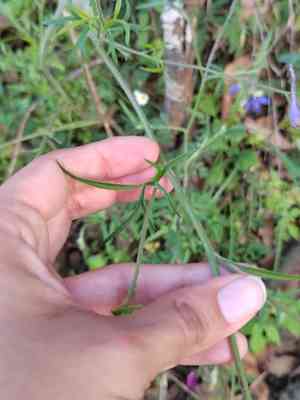
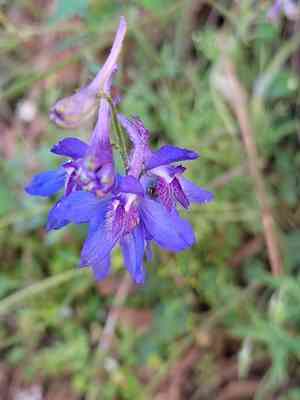
Identify Delphinium madrense by its tall stature, deeply lobed leaves, and elongated spikes of flowers, which typically come in shades of blue and purple. The flowers have a distinctive spurred shape.
Scientific Classification of Sierra madre larkspur
Phylum
Vascular plants
Class
Dicotyledons
Order
Ranunculales
Family
Buttercup
Genus
Larkspurs
Species
Sierra madre larkspur
Planting and Growing of Sierra madre larkspur
Care Difficulty
Moderate
Watering Schedule
Every 4 days
Sunlight Requirements
Full sun
Sunshine Duration
4-8 hours
Ideal Temperature
60-75℉
Soil Type
Potting Mix, Peat Mix
Soil pH
6.5-7.5
Fertilizer Type
Balanced
Pruning Season
Spring, Summer
Pruning Area
Branches, Leaves
Pruning Frequency
2 times a year
Repotting Season
Spring
Pot Type
Terracotta, Plastic
 How to Water Sierra madre larkspur?
Delphinium madrense typically requires moderate watering. Each time you water, about 500 milliliters should suffice. The goal is to moisten the soil without causing waterlogging; the soil should feel damp to the touch but not soggy. Always ensure excess water has a means to drain away.
What are the symptoms of an underwatered Sierra madre larkspur?
›
What should I do if my Sierra madre larkspur is not getting enough water?
›
What are the symptoms of an overwatered Sierra madre larkspur?
›
How to save an overwatered Sierra madre larkspur?
›
 What Are the Sunlight Requirements for Sierra madre larkspur?
Ideally, Delphinium madrense thrives in partial sun conditions, basking for four to six hours a day. This ensures optimal blooming and robust growth, supporting plant vitality and disease resistance.
Optimal Light Exposure
›
Solution to Achieve Ideal Lighting
›
Benefits of Ideal Lighting Conditions
›
 What Is the Ideal Temperature Range for Sierra madre larkspur?
Delphinium madrense thrives best within a temperature range of 60°F to 75°F. This temperature range allows the plant to photosynthesize efficiently, grow vigorously, and produce healthy flowers. Within this range, the metabolic processes of the plant are optimal, ensuring that nutrient uptake and water relations are well-balanced.
 What Soil is Best for Sierra madre larkspur?
Delphinium madrense thrives in well-drained soils that allow water to percolate efficiently. This prevents waterlogging and root rot, ensuring healthy growth by maintaining optimal moisture levels around the roots. This plant benefits greatly from soils rich in organic matter. The addition of compost or well-rotted manure can enhance soil fertility, providing essential nutrients that support robust stem and leaf development. A soil that retains moderate levels of moisture without becoming soggy helps maintain a consistent supply of water. This is crucial for Delphinium madrense during its active growth phase, promoting lush and vibrant blooms.
 How to Fertilize Sierra madre larkspur?
Delphinium madrense needs moderate fertilization. During its growing season, apply about 1/2 teaspoon of liquid fertilizer per gallon of water every other week to promote healthy blooms and foliage. Ensure the soil remains nutrient-rich and well-balanced.
 How to Prune Sierra madre larkspur?
Remove spent flowers to prolong the flowering period. Deadheading helps redirect the plant's energy towards developing new blooms rather than forming seeds. After the flowering period, cut back the stems to the basal foliage to maintain a tidy appearance and stimulate vigorous new growth in the following season. Focus on shaping the plant by removing any crossing branches or stems that disrupt the overall symmetry. This helps maintain airflow and reduces disease risk.
More About Pruning Techniques→
 How to Propagate Sierra madre larkspur plant?
1
Start by sowing seeds in moistened seed trays. Cover them lightly with soil and keep them in a warm area with indirect sunlight to encourage germination.
2
Select a healthy Delphinium madrense plant and cut a 4-6 inch section using sharp pruners. Remove the lower leaves, and dip the cutting in rooting hormone before planting.
3
Once seedlings have developed their first true leaves, transplant them carefully into individual pots, ensuring not to disturb the fragile roots.
 How to Repot Sierra madre larkspur plant?
1
Delphinium madrense should be repotted when you notice signs like roots growing out of the drainage holes, wilting despite watering, or the plant looking top-heavy. Spring and Autumn are ideal due to milder temperatures that help reduce transplant shock.
2
Select a pot that is one size larger and offers good drainage. A clay or terracotta pot can be beneficial as it allows excess moisture to evaporate, reducing the risk of root rot and keeping the plant healthier longer.
3
Opt for well-draining potting soil; an ideal mix contains some perlite, peat, and organic matter. This ensures that the roots have access to sufficient oxygen, encouraging healthy growth while avoiding water retention issues.
Toxicity
Ingestion
WARNING
The judgment on toxicity and danger is for reference only. We DO NOT GUARANTEE any accuracy of such judgment. Therefore, you SHALL NOT rely on such judgment. It is IMPORTANT TO SEEK PROFESSIONAL ADVICE in advance when necessary.
Learn More About Sierra madre larkspur Diseases
Anthracnose
Bacterial Leaf Spot
Bacterial Soft Rot
Bacterial Wilt
Black Spot
Chemical Injury
Crown Gall
Damping-off
Downy Mildew
Drought Stress
Fusarium Wilt
Gray Mold
Leaf Curl
Leaf Spot
Mosaic
Nutrient Deficiency
Nutrient Toxicity
Powdery Mildew
Root Rot
Root-knot Nematode
Rusts
Sooty Mold
Spider Mites
Temperature Stress
Thrips Damage
White Mold



