
Ghost tree (Davidia involucrata)
Also known as: Dove tree
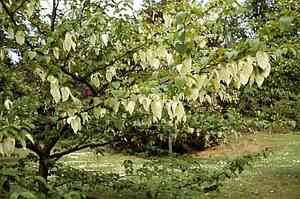
The ghost tree, or Davidia involucrata, hails from southern China and is a deciduous species. Its most notable feature is the large, white bracts that resemble flowers and flutter gracefully in the breeze, which has garnered it nicknames such as the ghost tree, handkerchief tree, and dove tree. Additionally, there is a distinction in the botanical community regarding this tree, with some experts viewing the hairy-leaved and hairless-leaved variants as separate species.
In This Article
Attributes of Ghost tree
Lifespan
Perennial
Plant Type
Tree
Plant Height
20 m to 25 m
Spread
17 m
Leaf Color
Green
Flower Size
2 cm
Flower Color
White Green
Images of Ghost tree
Quickly Identify Ghost tree
1
Distinctive dove-shaped white bracts with small red flowers in the center.
2
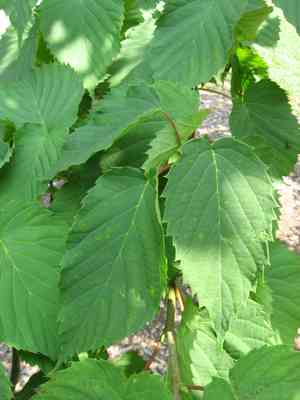
Broad heart-shaped leaves with red stalks and pronounced veining.
3
Rough, flaky bark with orange and brown hues, deepening fissures with age.
4
Round greenish-brown capsules hanging on stems, encasing 3-6 seeds.
5
Tall deciduous tree with variable fall leaf colors and slow maturation.
Scientific Classification of Ghost tree
Phylum
Vascular plants
Class
Dicotyledons
Order
Dogwoods, hydrangeas, and allies
Family
Tupelo
Genus
dove tree
Species
Ghost tree
Planting and Growing of Ghost tree
Care Difficulty
Moderate
Watering Schedule
Every 2 days
Sunlight Requirements
Partial sun
Sunshine Duration
6-10 hours
Ideal Temperature
60-75℉
Soil Type
Potting Mix, Peat Mix
Soil pH
6.5-7.5
Fertilizer Type
Balanced
Pruning Season
Spring, Summer
Pruning Area
Branches, Leaves
Pruning Frequency
2 times a year
Repotting Season
Spring
Pot Type
Plastic, Ceramic
 How to Water Ghost tree?
For Davidia involucrata, the watering amount should ensure the soil is thoroughly moist but not waterlogged. Typically, about 1000 ml of water per session is sufficient for mature trees. The key is to maintain consistent moisture without letting the soil dry out completely between watering sessions.
What are the symptoms of an underwatered Ghost tree?
›
What should I do if my Ghost tree is not getting enough water?
›
What are the symptoms of an overwatered Ghost tree?
›
How to save an overwatered Ghost tree?
›
 What Are the Sunlight Requirements for Ghost tree?
Partial sun is ideal, allowing Davidia involucrata to flourish with dappled sunlight that benefits its growth. Sufficient light fosters robust leaf structure and vibrant flowering.
More About Sunlight Requirements Techniques→
How much sunlight does Davidia involucrata need?
›
What are the solutions for achieving ideal light for Davidia involucrata?
›
What benefits does optimal light provide to Davidia involucrata?
›
 What Is the Ideal Temperature Range for Ghost tree?
Davidia involucrata thrives best in an environment with temperatures consistently maintained between 60°F and 75°F. This temperature range mimics its native habitat, allowing the plant to grow optimally and produce its distinctive handkerchief-like flowers more vibrantly.
 What Soil is Best for Ghost tree?
Davidia involucrata thrives in soil that retains moisture well, while also providing adequate drainage. This balance ensures the plant receives the water it needs, preventing both dehydration and root rot. Rich, fertile soil provides essential nutrients that promote healthy growth and vibrant blooms. A mix of organic matter enhances soil fertility, improving plant vigor and reducing the need for frequent fertilization. Oxygen-rich soil supports root health, allowing roots to breathe and function efficiently. Well-aerated soil helps ensure robust growth by preventing compaction and promoting nutrient uptake.
 How to Fertilize Ghost tree?
For Davidia involucrata, apply liquid fertilizer with a balanced nutrient formula. Use 1 tablespoon of liquid fertilizer diluted in 1 gallon of water. Slow-release granular fertilizers should be applied at a rate of 1 cup per square yard of soil area around the plant.
 How to Prune Ghost tree?
Begin the pruning process by removing any dead, damaged, or diseased branches. This will allow the plant to focus its energy on growing healthy branches and improve its overall structure and appearance. Trim back longer branches to maintain a balanced shape and size, especially if planted in a restricted area. Make cuts just above a bud to encourage new growth in a desired direction.
More About Pruning Techniques→
 How to Propagate Ghost tree plant?
1
Collect seeds from a mature Davidia involucrata in autumn. Soak them in warm water for 24 hours to accelerate germination. Observe this physical change indicating readiness for planting.
2
Select semi-hardwood stems in late spring. Cut 6-10 inch lengths with sharp, sterilized pruning shears. Remove leaves near the base before applying rooting hormone.
3
Graft during early summer using cleft or whip grafting methods. Ensure the grafted piece aligns well with rootstock for seamless nutrient exchange that promotes growth.
 How to Repot Ghost tree plant?
1
Davidia involucrata signals the need for repotting when roots begin to spiral around the container's bottom, or the plant shows signs of stunted growth. The ideal time to repot is during the growing seasons of spring or autumn, when the plant can recover quickly.
2
Select a new pot that is 1-2 inches larger in diameter than the current one. Ensure it has adequate drainage holes to prevent waterlogging, which can cause root rot. Choosing the right pot allows roots to expand and improves overall plant health while preventing moisture retention issues.
3
A loamy, well-draining soil is essential for Davidia involucrata. This type of soil mix provides the necessary support and aeration, helping avoid soggy roots. The loam holds nutrients well while draining excess water efficiently, promoting a robust and healthy plant.



