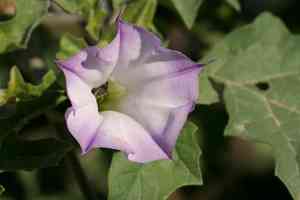
Thornapples (Datura) (Datura)
Also known as: Devil's trumpets, Hell's bells
Thornapples, also referred to as devil's trumpets or Datura, are perennial plants noted for their eye-catching flowers. Despite their beauty, these plants are highly toxic in all parts, making them dangerous to handle or ingest. This toxicity has earned them ominous names such as devil's trumpets, hell’s bells, or devil's weed.
**Characteristics:**
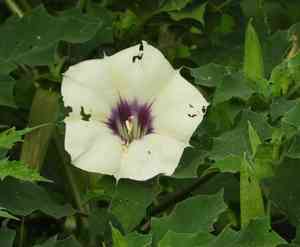
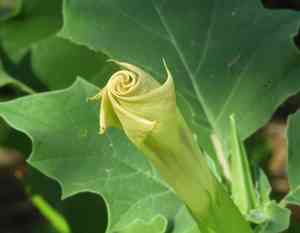
1. **Flowers:** They feature large, trumpet-shaped blooms that come in various colors, including white, purple, and yellow.
2. **Growth Habit:** These plants can grow rapidly, achieving heights between 3 and 6 feet.
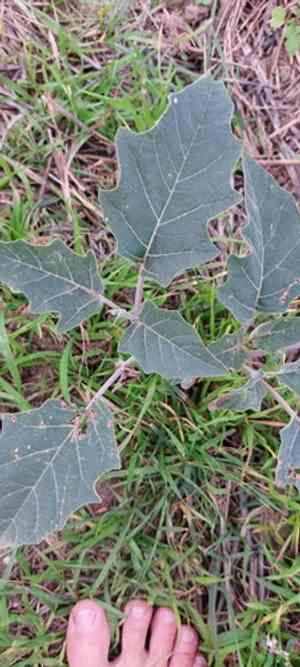
3. **Leaves:** They possess large, green leaves that emit a strong, unpleasant odor when crushed.
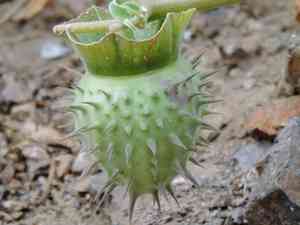
4. **Seed Pods:** The plants produce spiny seed pods, which are also toxic.
**Uses:**
1. **Ornamental Use:** Due to their striking appearance, thornapples are sometimes grown as ornamental plants in gardens.
2. **Traditional and Cultural Use:** In various cultures, certain species have been employed in religious and spiritual ceremonies, although such use is fraught with risk due to the plant's toxic nature.
**Caution:** Given their high toxicity, thornapples should be handled with extreme care to prevent accidental poisoning.
Attributes of Thornapples (Datura)
Images of Thornapples (Datura)
Quickly Identify Thornapples (Datura)
Scientific Classification of Thornapples (Datura)
Planting and Growing of Thornapples (Datura)
 How to Water Thornapples (Datura)?
 What Are the Sunlight Requirements for Thornapples (Datura)?
 What Is the Ideal Temperature Range for Thornapples (Datura)?
 What Soil is Best for Thornapples (Datura)?
 How to Fertilize Thornapples (Datura)?
 How to Prune Thornapples (Datura)?
 How to Propagate Thornapples (Datura) plant?
 How to Repot Thornapples (Datura) plant?
Toxicity of Thornapples (Datura)
Is Thornapples (Datura) toxic to humans?
Thornapples pose a serious and lethal threat to all living beings, including humans and domestic pets, if consumed.


