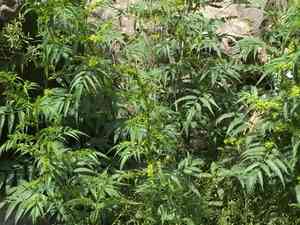
Akalbir (Datisca cannabina)
Also known as: False hemp, Bedstraw, Hemp
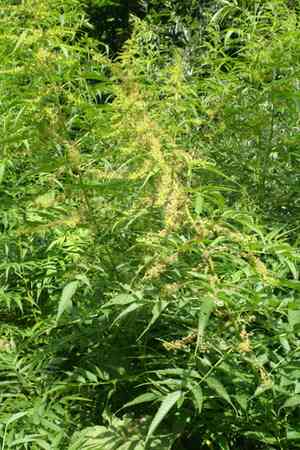
The akalbir plant stands out in any garden thanks to its tall, herbaceous nature and lush, cannabis-like leaves. It showcases elongated, feathery clusters of yellowish-green flowers that flourish in well-drained soils. Native to warm, temperate climates, akalbir is known for its vigorous growth and adaptability to sunny spots, demanding little maintenance once established. Its unique foliage and resilient growth make it a remarkable and eye-catching addition to garden landscapes.
In This Article
Attributes of Akalbir
Lifespan
Perennial
Plant Type
Herb
Plant Height
2.5 m
Spread
1 m
Leaf Color
Green
Flower Size
0.3 to 0.5 cm
Flower Color
Green White Yellow
Images of Akalbir
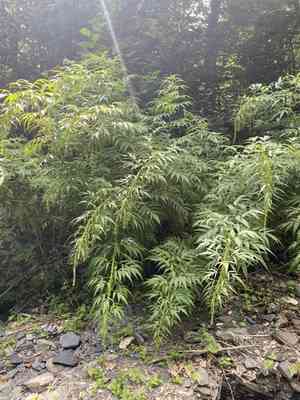
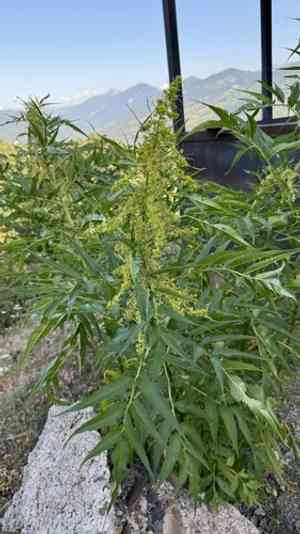
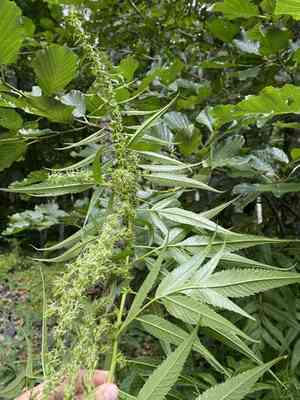
Quickly Identify Akalbir
1
Datisca cannabina is identifiable by its tall, erect stems and alternate, deeply lobed leaves that resemble those of the true hemp plant. It produces small, inconspicuous yellow-green flowers in drooping panicles during the summer months.
Scientific Classification of Akalbir
Phylum
Vascular plants
Class
Dicotyledons
Order
Cucurbitales
Family
Datiscas
Genus
Datisca
Species
Akalbir
Planting and Growing of Akalbir
Care Difficulty
Easy
Watering Schedule
Every 3 days
Sunlight Requirements
Full sun
Sunshine Duration
6-10 hours
Ideal Temperature
60-75℉
Soil Type
Potting Mix, Peat Mix
Soil pH
6.5-7.5
Fertilizer Type
Balanced
Pruning Season
Spring, Summer
Pruning Area
Branches, Leaves
Pruning Frequency
2 times a year
Repotting Season
Spring
Pot Type
Plastic, Ceramic
 How to Water Akalbir?
For Datisca cannabina, ensure the soil is thoroughly moistened without becoming waterlogged. After watering, there should be a gentle run-off indicating sufficient saturation. Aim for about 500ml per session, allowing excess to drain freely.
What are the symptoms of an underwatered Akalbir?
›
What should I do if my Akalbir is not getting enough water?
›
What are the symptoms of an overwatered Akalbir?
›
How to save an overwatered Akalbir?
›
 What Are the Sunlight Requirements for Akalbir?
Ideal for Datisca cannabina is a combination of full sun and partial shade. Regular access to this light range enhances photosynthesis, supports healthy green foliage, and facilitates sound flowering and fruiting patterns.
How to ensure ideal lighting conditions?
›
Solutions for achieving ideal light?
›
Benefits of ideal lighting?
›
 What Is the Ideal Temperature Range for Akalbir?
Datisca cannabina thrives in environments where temperatures consistently fall between 60°F to 75°F. This range allows for optimal photosynthesis and nutrient uptake, ensuring healthy growth and development. Maintaining this temperature significantly contributes to foliage density and flowering success.
 What Soil is Best for Akalbir?
Datisca cannabina thrives in soil rich in organic matter, which provides essential nutrients for vigorous growth. A nutrient-dense soil supports healthy foliage and a robust root system. The plant requires well-drained soil to prevent waterlogging, which can cause root rot. Adequate drainage keeps roots oxygenated and promotes strong plant development. Consistent soil moisture is vital for Datisca cannabina's growth. The soil should neither dry out completely nor remain excessively wet, ensuring balanced hydration for optimal growth.
 How to Fertilize Akalbir?
When fertilizing Datisca cannabina, it's essential to use a balanced approach. For liquid fertilizers, apply about 1 tablespoon per gallon of water, ensuring even distribution across the soil. For slow-release fertilizers, use approximately 2 to 4 pounds per 100 square feet based on soil tests and plant requirements.
 How to Prune Akalbir?
Before you start, carefully inspect the plant to identify dead or damaged stems. These should be the first to go as they can inhibit healthy new growth and detract from the plant's aesthetics. Make your cuts at a 45-degree angle to promote natural healing and prevent water from sitting on the cut surface. This technique minimizes the risk of disease and encourages strong regrowth. Periodically step back from the plant to ensure you're maintaining the desired shape and even growth. It's essential to keep the plant's natural form and balance while pruning systematically.
 How to Propagate Akalbir plant?
1
Begin by selecting healthy seeds and soaking them overnight in water to speed up germination. This ensures the seeds are ready to sprout when planted.
2
Use a well-draining potting mix, filling the seed trays to three-fourths full. The mix's ability to drain well prevents waterlogging, which can hinder seedling development.
3
Choose a healthy plant and use sharp pruning shears to take 4-6 inch cuttings. Remove lower leaves to reduce transpiration and increase successful rooting rates.
 How to Repot Akalbir plant?
1
Look for signs such as roots growing out of drainage holes, slow growth despite adequate sunlight and watering, or soil that breaks down quickly. These indicators suggest the plant is due for repotting.
2
Opt for a pot that's one size larger than the current one, with good drainage holes. This prevents waterlogging, ensuring that excess water escapes, which is crucial for preventing root rot in Datisca cannabina.
3
Select a well-draining, loamy soil that retains moisture yet allows roots to breathe. This soil type supports the plant's growth, providing essential nutrients while preventing water-related diseases.
Toxicity
ingestion
WARNING
The judgment on toxicity and danger is for reference only. We DO NOT GUARANTEE any accuracy of such judgment. Therefore, you SHALL NOT rely on such judgment. It is IMPORTANT TO SEEK PROFESSIONAL ADVICE in advance when necessary.
Learn More About Akalbir Diseases
Anthracnose
Bacterial Leaf Spot
Bacterial Wilt
Crown Gall
Cyst Nematode
Damping-off
Downy Mildew
Drought Stress
Fusarium Wilt
Gray Mold
Leaf Spot
Mosaic
Nutrient Deficiency
Nutrient Toxicity
Powdery Mildew
Root Rot
Root-knot Nematode
Rusts
Sooty Mold
Spider Mites
Temperature Stress
Thrips Damage
White Mold



