Mosquitograss (Dasypyrum) (Dasypyrum)
Also known as: Triticum asperum, Haynaldia villosa
Dasypyrum is a genus of grasses in the family Poaceae, commonly known for its similarity to wheat. These grasses are native to Eurasia and are often found in Mediterranean regions. They are utilized as forage crops and sometimes in breeding programs for wheat improvement.
In This Article
Attributes of Mosquitograss (Dasypyrum)
Lifespan
Perennial
Plant Height
0.5 to 1.2 meters
Spread
N/A
Leaf Color
Green
Flower Size
N/A
Flower Color
N/A
Images of Mosquitograss (Dasypyrum)
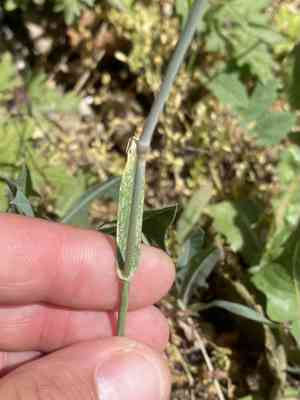
Quickly Identify Mosquitograss (Dasypyrum)
1
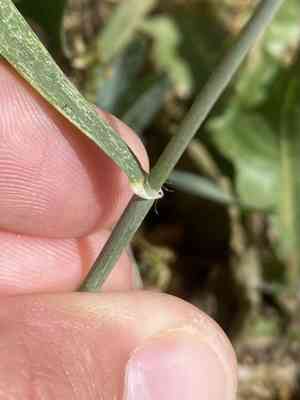
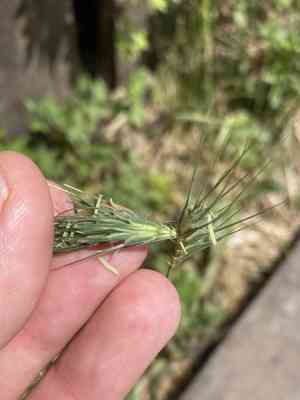
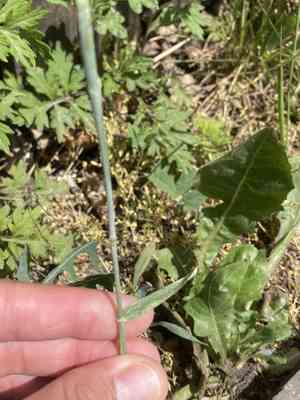
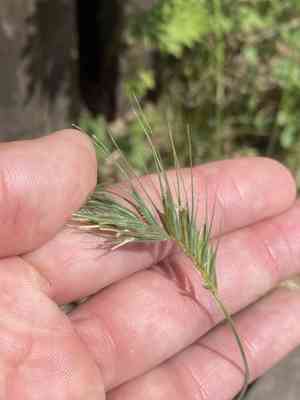
Dasypyrum grasses can be identified by their soft, hairy leaf sheaths and their spikelets, which are often quite distinct. The plant typically grows in tufts and has a wheat-like appearance but is often smaller and more delicate.
Scientific Classification of Mosquitograss (Dasypyrum)
Phylum
Magnoliophyta
Class
Liliopsida
Order
Poales
Family
Poaceae
Genus
Dasypyrum
Planting and Growing of Mosquitograss (Dasypyrum)
Care Difficulty
Hard
Watering Schedule
Every 3 days
Sunlight Requirements
Full sun
Sunshine Duration
6-8 hours
Ideal Temperature
50-77℉
Soil Type
Potting Mix, Peat Mix
Soil pH
6-8
Fertilizer Type
Balanced
Pruning Season
Spring, Summer
Pruning Area
Branches, Leaves
Pruning Frequency
2 times a year
Repotting Season
Spring
Pot Type
Plastic, Ceramic
 How to Water Mosquitograss (Dasypyrum)?
Dasypyrum should be watered moderately, ensuring the soil remains slightly moist but never waterlogged. The ideal scenario is to allow the top 2-3 centimeters of soil to dry out between waterings. This helps simulate its natural conditions and prevents root rot.
What are the symptoms of an underwatered Mosquitograss (Dasypyrum)?
›
What should I do if my Mosquitograss (Dasypyrum) is not getting enough water?
›
What are the symptoms of an overwatered Mosquitograss (Dasypyrum)?
›
How to save an overwatered Mosquitograss (Dasypyrum)?
›
 What Are the Sunlight Requirements for Mosquitograss (Dasypyrum)?
Partial to full sunlight exposure benefits Dasypyrum. Adequate light promotes healthy foliage and robust growth, optimizing photosynthesis and nutrient processing.
What is the ideal amount of sunlight?
›
How can you achieve these conditions?
›
What are the benefits of ideal lighting?
›
 What Is the Ideal Temperature Range for Mosquitograss (Dasypyrum)?
The ideal temperature range for Dasypyrum is between 50°F to 77°F. At this temperature range, the plant can efficiently photosynthesize, reproduce, and maintain optimal metabolic processes. It is important to monitor temperature levels closely to ensure the plant's health, allowing it to thrive under these optimal conditions.
 What Soil is Best for Mosquitograss (Dasypyrum)?
Dasypyrum thrives best in soil that ensures proper drainage. This prevents root rot, a common problem when water stagnates, allowing the plant to absorb nutrients efficiently. For optimal growth, the soil should be rich in essential nutrients like nitrogen, phosphorus, and potassium. This contributes to robust growth and enhances the plant's ability to resist pests. Dasypyrum requires soil that maintains moderate moisture levels, avoiding both excessive dryness and saturation. This balance supports consistent growth and prevents dehydration stress.
 How to Fertilize Mosquitograss (Dasypyrum)?
For Dasypyrum, a moderate application of fertilizer is ideal. Utilize half the recommended strength listed on most commercial fertilizer packages. Since this plant is relatively low-maintenance, avoid over-fertilizing, which can be detrimental to its health.
 How to Prune Mosquitograss (Dasypyrum)?
Begin by assessing the plant from the top down. 2. Identify stems or leaves that appear lifeless or diseased. 3. Cut back damaged parts to the healthy growth point without removing excessive green tissue. 4. Shape the plant by trimming overgrown sections to promote more even growth. 5. As you prune, maintain the natural form of the Dasypyrum to ensure it remains aesthetically pleasing. Always wear gloves to protect your hands from sharp tools and plant sap which can sometimes be irritating to the skin. Ensure the surrounding area is clear to prevent accidental cuts while moving around the plant.
 How to Propagate Mosquitograss (Dasypyrum) plant?
1
Begin by soaking the seeds overnight to enhance germination. Afterwards, plant them in trays filled with a suitable growing medium. Ensure seeds are covered lightly with soil since light exposure can be crucial for some species' germination.
2
Select healthy shoots from the parent plant and cut sections of approximately 10-15 cm in length. Remove leaves from the lower half of the cutting to prevent rotting and to aid in nutrient absorption from the soil.
3
Insert the prepared cuttings into a potting mix. Water the cuttings lightly after planting, making sure excess water can drain away to prevent root rot. It's important to maintain a humid environment for successful rooting.
 How to Repot Mosquitograss (Dasypyrum) plant?
1
To determine if Dasypyrum needs repotting, look for roots protruding from the drainage holes or a noticeable slowdown in growth. These signs typically indicate that the plant has outgrown its current pot and would benefit from more space to thrive. Ideally, repot during the growing seasons, like spring or autumn, to give the plant optimal conditions for recovery.
2
When selecting a pot, opt for one that's slightly larger than the current container, with enough depth to accommodate growth without waterlogging. A pot that has proper drainage holes is crucial to prevent root rot. The material should be breathable, like terracotta, which helps in regulating moisture and air circulation around the roots, promoting a healthier plant.
3
Dasypyrum thrives in a well-draining sandy mixture. Look for a potting mix that contains sand, perlite, or horticultural grit, which helps improve drainage while retaining necessary nutrients. This type of soil assists in preventing water accumulation at the root zone, reducing the risk of fungal diseases and encouraging robust growth.

