Daphnes (Daphne)(Daphne)

Daphnes (Daphne) (Daphne)

Also known as: Spurge Laurel, February Daphne, Mezereon

Daphne plants, known for their fragrant flowers and attractive berries, are either deciduous or evergreen shrubs. However, caution is necessary because all parts of the plant, including the berries, are highly toxic. These plants are commonly grown as ornamentals due to their appealing flowers and foliage, especially during late winter.

When handling Daphne plants, follow these safety measures:
1. **Use Gloves:** Always wear gloves to prevent skin irritation from the plant's sap.
2. **Hand Hygiene:** Wash your hands thoroughly with soap and water after handling the plant.
3. **Prevent Ingestion:** Keep children and pets away from the plant to avoid accidental ingestion.
4. **Eye Safety:** Wear safety glasses to protect your eyes from the plant's sap.
5. **Proper Disposal:** Dispose of plant debris carefully to ensure it is not accessible to pets or wildlife.

Taking these steps will help ensure safe handling of Daphne plants.

Attributes of Daphnes (Daphne)

Lifespan
Perennial
Plant Height
1.3 m
Spread
1.3 m
Leaf Color
Green
Flower Size
1 to 2 cm
Flower Color
White, Pink, Purple

ForwardPlant - Identify plants with a snap

Identify and diagnose plants, get toxicity alerts, and explore safety guides for all types of fungi.

Try for Free

Images of Daphnes (Daphne)

Daphnes (Daphne)(Daphne)

Quickly Identify Daphnes (Daphne)

1
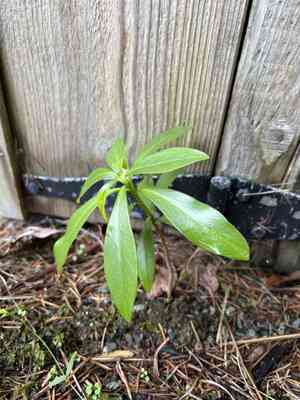
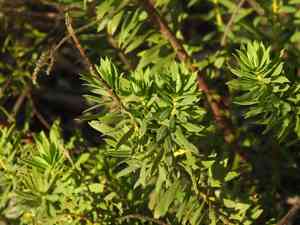
To identify Daphne, look for small to medium-sized shrubs with lanceolate to ovate leaves. The flowers are usually tubular and very fragrant, appearing in clusters. The berries are often red, yellow, or black.

Scientific Classification of Daphnes (Daphne)

Phylum
Magnoliophyta
Class
Magnoliopsida
Order
Malvales
Family
Thymelaeaceae
Genus
Daphne

Planting and Growing of Daphnes (Daphne)

Care Difficulty
Moderate
Watering Schedule
Every 2 days
Sunlight Requirements
Partial sun
Sunshine Duration
6-12 hours
Ideal Temperature
60-70℉
Soil Type
Potting Mix, Peat Mix
Soil pH
6-7.5
Fertilizer Type
Balanced
Pruning Season
Spring, Summer
Pruning Area
Branches, Leaves
Pruning Frequency
2 times a year
Repotting Season
Spring
Pot Type
Terracotta, Plastic

water icon How to Water Daphnes (Daphne)?

The watering amount for Daphne should be around 250 ml per session. Water the plant deeply, ensuring moisture reaches the roots but avoid waterlogging. This helps maintain soil moisture and supports healthy growth.
What are the symptoms of an underwatered Daphnes (Daphne)?
What should I do if my Daphnes (Daphne) is not getting enough water?
What are the symptoms of an overwatered Daphnes (Daphne)?
How to save an overwatered Daphnes (Daphne)?

sunlight icon What Are the Sunlight Requirements for Daphnes (Daphne)?

Sunlight Requirements: Partial sun, Partial shade
Duration of light: 3 to 6 hours daily
Partial sun and shade conditions allow Daphne to bloom optimally and maintain vibrant foliage without the risk of leaf scorch from excessive direct sunlight.
What type of sunlight is best for Daphne?
How can I ensure Daphne receives ideal lighting?
What are the benefits of ideal lighting for Daphne?

temperature icon What Is the Ideal Temperature Range for Daphnes (Daphne)?

Ideal Temperature: 60 ~ 70℉
The ideal temperature range for Daphne plants is between 60°F and 70°F. This range allows for optimal growth and blooming conditions, ensuring the plant remains healthy and vibrant. Maintaining consistent temperatures within this range helps the plant avoid stress and promotes a robust growth habit.

soil icon What Soil is Best for Daphnes (Daphne)?

Soil type: Loam, Sandy loam, Acidic soil
Soil PH: 6 ~ 7.5
Daphne thrives in soil with excellent drainage. This prevents waterlogging, which can lead to root rot, ensuring the roots receive the oxygen they need to stay healthy and strong. The plant prefers nutrient-rich soil, providing essential minerals that promote vigorous growth and enhance flowering, resulting in more vibrant and longer-lasting blooms. While the soil must drain well, it should also retain sufficient moisture, preventing the plant from drying out too quickly, which helps maintain turgor and reduces stress during drier periods.

fertilize icon How to Fertilize Daphnes (Daphne)?

Fertilizer type: Balanced
For Daphne, the fertilizer amount should be moderate. Too much can harm the plant, while too little can stunt its growth. You should aim for around one tablespoon of slow-release fertilizer per plant for solid fertilizer and dilute liquid fertilizer to half strength.

prune icon How to Prune Daphnes (Daphne)?

Pruning Time: Spring, Summer
Start by identifying and cutting away any dead or damaged branches close to the ground. This encourages healthy new growth and prevents diseases from spreading. Carefully inspect the plant to ensure you’re only removing the unhealthy parts. After taking care of the damaged sections, step back and assess the overall shape of the Daphne plant. Lightly trim to maintain an attractive shape and encourage bushier growth. This involves cutting back overlong branches to a leaf node or a bud facing outward. Daphne is sensitive, so avoid excessive pruning. Stick to removing no more than one-third of the total plant size at a time. Over-pruning can lead to stress and may inhibit blooming in the next season. Aim for gradual adjustments over time instead of drastic changes.

propagate icon How to Propagate Daphnes (Daphne) plant?

Propagate Time: Spring, Late spring, Early spring
1
Choose a healthy branch from the parent plant, around 4-6 inches long, preferably with a few leaves. Ensure the cutting is taken from a non-flowering part to encourage root growth.
2
Trim the cutting just below a leaf node to expose more root-forming tissue. Remove the lower leaves to reduce moisture loss and damage when planting.
3
Dip the cut end in rooting hormone and place it into a pot with well-draining soil. Ensure the soil is kept moist but not waterlogged.

repot icon How to Repot Daphnes (Daphne) plant?

Repotting frequency: Every 2-3 years
1
Daphne plants should be repotted when they outgrow their current pot, showing roots at drainage holes, or if water is not draining efficiently. These are all signs that the plant is in need of more space and fresh soil to continue thriving.
2
Select a pot that is 1-2 inches larger in diameter than the current one. A pot with ample drainage holes is crucial to prevent waterlogging, which can lead to root rot. This extra space allows roots to grow, improving overall plant health.
3
Opt for a well-draining, acidic potting mix. This type of soil mimics Daphne's natural habitat, ensuring that roots receive adequate air and moisture without the risk of becoming waterlogged.

ForwardPlant - Identify plants with a snap

Find the best spots for them to optimize their health, simply using your phone.

Try for Free

Toxicity

Ingestion, Skin contact

Identify toxic plants for your safety

Learn which plants are harmful to you and your pets, and make informed choices for a safer home!

Try for Free
WARNING
The judgment on toxicity and danger is for reference only. We DO NOT GUARANTEE any accuracy of such judgment. Therefore, you SHALL NOT rely on such judgment. It is IMPORTANT TO SEEK PROFESSIONAL ADVICE in advance when necessary.