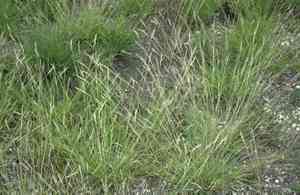
Poverty Oatgrass (Danthonia spicata)
Also known as: Poverty oat grass, Wild oat grass, Turkey strip, Wire grass
Poverty Oatgrass is named for its ability to thrive in nutrient-poor soils. Its seeds can remain dormant until the soil is disturbed, such as by a forest fire, allowing it to be one of the first plants to reappear and recolonize after such events.
In This Article
Attributes of Poverty Oatgrass
Lifespan
Perennial
Plant Type
Grass
Plant Height
20 cm to 76 cm
Spread
30 cm
Leaf Color
Green
Flower Size
5 mm to 1.5 cm
Flower Color
White Yellow Green Red Brown
Images of Poverty Oatgrass
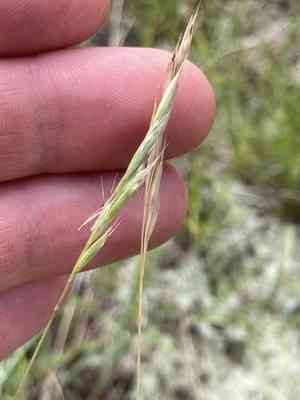
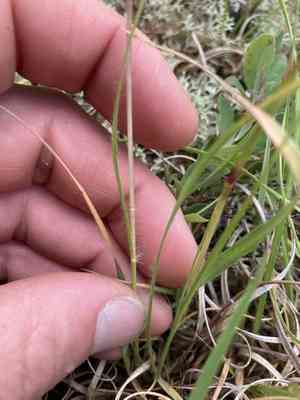
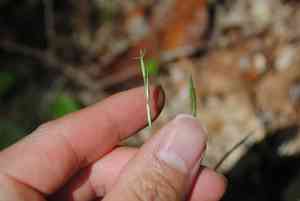
Quickly Identify Poverty Oatgrass
1
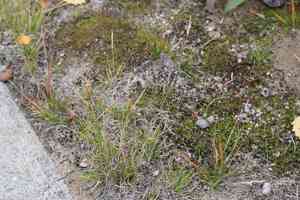
Danthonia spicata can be identified by its narrow, wiry leaves and distinctive tufts. The leaf sheaths are hairy, and it produces small, spike-like seed heads.
Scientific Classification of Poverty Oatgrass
Phylum
Vascular plants
Class
Monocotyledons
Order
Poales
Family
Grass
Genus
Oatgrasses
Species
Poverty Oatgrass
Planting and Growing of Poverty Oatgrass
Care Difficulty
Easy
Watering Schedule
Every 2 days
Sunlight Requirements
Full sun
Sunshine Duration
6-8 hours
Ideal Temperature
50-77℉
Soil Type
Potting Mix, Peat Mix
Soil pH
4.8-6
Fertilizer Type
Balanced
Pruning Season
Spring, Summer
Pruning Area
Branches, Leaves
Pruning Frequency
2 times a year
Repotting Season
Spring
Pot Type
Plastic, Terracotta
 How to Water Poverty Oatgrass?
Danthonia spicata requires moderate watering. It is vital to deeply water this plant until the soil is moist but not soggy. A general rule is to provide about 250 ml of water, ensuring it reaches the roots, particularly during drought conditions.
What are the symptoms of an underwatered Poverty Oatgrass?
›
What should I do if my Poverty Oatgrass is not getting enough water?
›
What are the symptoms of an overwatered Poverty Oatgrass?
›
How to save an overwatered Poverty Oatgrass?
›
 What Are the Sunlight Requirements for Poverty Oatgrass?
Danthonia spicata thrives in partial to full sun, with an ideal exposure of 4 to 8 hours daily. These conditions foster vibrant growth and robust health, facilitating its natural resilience and thriving greenery.
What amount of sunlight does Danthonia spicata require?
›
How to ensure Danthonia spicata receives ideal sunlight?
›
What benefits does Danthonia spicata gain from its ideal lighting conditions?
›
 What Is the Ideal Temperature Range for Poverty Oatgrass?
What is the ideal temperature range for Danthonia spicata? The ideal temperature range for Danthonia spicata is between 50°F and 77°F. This range ensures optimal growth and development, providing the necessary conditions for photosynthesis and respiration to occur efficiently.
 What Soil is Best for Poverty Oatgrass?
Danthonia spicata thrives in well-drained soil to prevent root rot. Ensuring ample drainage allows the plant to access sufficient oxygen and maintain healthy growth. Danthonia spicata is adapted to low-fertility soils, which ensures it competes less with more nutrient-demanding species, promoting its natural growth pattern. This species is well-suited to dry soils, minimizing the need for irrigation and making it suitable for xeriscaping and low-water gardens.
 How to Fertilize Poverty Oatgrass?
For Danthonia spicata, a conservative amount of fertilizer is best. Use a quarter-strength solution if using liquid fertilizers and apply sparingly to prevent nutrient build-up. When using solid fertilizers, a light sprinkle over the soil surface to not overly concentrate nutrients is recommended.
 How to Prune Poverty Oatgrass?
Inspect the plant and identify dead or yellowing leaves and stems. Focus on removing parts that show signs of disease or irreparable damage to encourage the plant's natural renewal. Make cuts at a 45-degree angle to promote efficient water runoff. This will reduce the risk of water-related diseases and help the plant heal faster, leading to a fuller, more robust appearance.
 How to Propagate Poverty Oatgrass plant?
1
For both seed and division propagation, it is crucial to prepare the soil by ensuring it is well-draining and fertile. This typically involves mixing compost into the existing soil to create a suitable environment for the plants.
2
When propagating by seeds, sow them in a tray filled with moist soil. Cover them with a thin layer of soil and maintain a constant temperature of around 65°F. Keep the soil moist but not overly wet to prevent rot.
3
For division propagation, carefully dig up mature plants and separate them into smaller sections. Ensure each section has a good amount of roots. Replant these sections immediately in prepared soil, spacing them adequately.
 How to Repot Poverty Oatgrass plant?
1
Repot Danthonia spicata when you notice roots circling the pot's bottom or growth stalling despite proper care. Additionally, if the soil drains too quickly or too slowly, it's a sign the plant needs fresh soil. Late winter to early spring is ideal as it coincides with the plant's growth period.
2
Select a pot that is 1-2 inches larger in diameter than the current one, with adequate drainage holes. A slightly larger pot prevents overwatering issues and allows gradual root expansion, promoting healthier growth.
3
Opt for a well-draining loamy mix, which retains enough moisture without becoming waterlogged. This type of soil supports healthy drainage and aeration, crucial for preventing root rot in your Danthonia spicata.


