Dewdrops (Dalibarda)(Dalibarda)

Dewdrops (Dalibarda) (Dalibarda)

Also known as: Star violets

Dewdrops, scientifically known as **Duranta erecta** or **Duranta repens**, is a perennial shrub that belongs to the Verbenaceae family. This plant is native to tropical and subtropical regions of the Americas, particularly from Mexico through South America and the Caribbean.

**Characteristics**:
- **Growth Habit**: Dewdrops can grow up to 6 meters tall, with a cascading and sometimes arching growth pattern.
- **Leaves**: The leaves are small, bright green, and simple with an opposite arrangement.
- **Flowers**: It produces delicate, fragrant blossoms that are typically purple or blue, occasionally white.
- **Fruit**: The plant bears clusters of small, orange-yellow berries that add to its ornamental appeal but are toxic if ingested.

**Native Regions**:
- Dewdrops thrive in warm, tropical, and subtropical climates, making them popular in gardens and landscapes in these areas.
- The plant prefers full sunlight and well-drained soil, flourishing in both garden beds and containers.

**Uses**:
- Often used as an ornamental plant for hedges, borders, and decorative purposes in gardens and parks.

**Caution**:
- The berries are toxic if consumed, so care should be taken, especially in areas accessible to children and pets.

Attributes of Dewdrops (Dalibarda)

Lifespan
Perennial
Plant Height
10-20 cm
Spread
15-30 cm
Leaf Color
Green
Flower Size
1-2 cm
Flower Color
White

ForwardPlant - Identify plants with a snap

Identify and diagnose plants, get toxicity alerts, and explore safety guides for all types of fungi.

Try for Free

Images of Dewdrops (Dalibarda)

Dewdrops (Dalibarda)(Dalibarda)

Quickly Identify Dewdrops (Dalibarda)

1
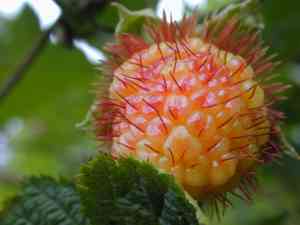
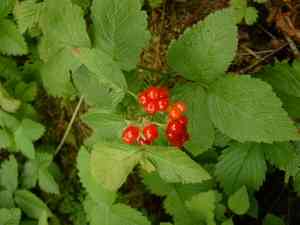
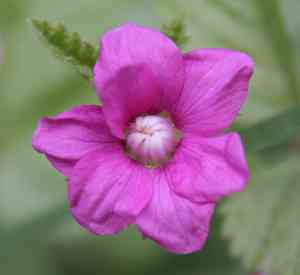
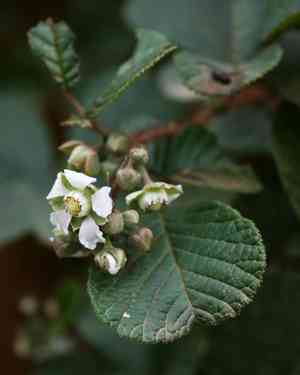
Dalibarda can be identified by its heart-shaped, toothed leaves and small white flowers that appear singly on long stalks. The plant often grows in forest understories and prefers moist, shaded environments.

Scientific Classification of Dewdrops (Dalibarda)

Phylum
Tracheophyta
Class
Magnoliopsida
Order
Rosales
Family
Rosaceae
Genus
Dalibarda

Planting and Growing of Dewdrops (Dalibarda)

Care Difficulty
Moderate
Watering Schedule
Every 2 days
Sunlight Requirements
Partial sun
Sunshine Duration
6-12 hours
Ideal Temperature
60-75℉
Soil Type
Potting Mix, Peat Mix
Soil pH
5-6.5
Fertilizer Type
Balanced
Pruning Season
Spring, Summer
Pruning Area
Branches, Leaves
Pruning Frequency
2 times a year
Repotting Season
Spring
Pot Type
Terracotta, Plastic

water icon How to Water Dewdrops (Dalibarda)?

Dalibarda plants require a modest amount of water. It's essential to provide about 200 milliliters of water per session, ensuring the soil stays slightly moist without becoming waterlogged. A general rule of thumb is to water until the top inch of soil feels damp to touch.
What are the symptoms of an underwatered Dewdrops (Dalibarda)?
What should I do if my Dewdrops (Dalibarda) is not getting enough water?
What are the symptoms of an overwatered Dewdrops (Dalibarda)?
How to save an overwatered Dewdrops (Dalibarda)?

sunlight icon What Are the Sunlight Requirements for Dewdrops (Dalibarda)?

Sunlight Requirements: Partial sun, Full shade
Duration of light: 2 to 6 hours daily
Dalibarda prefers partial sun shown by morning light and full shade for the rest of the day. This helps in maintaining steady growth and vibrant foliage, reducing plant stress and damage.
How much sunlight does Dalibarda need?
Solutions for appropriate lighting
Benefits of ideal lighting

temperature icon What Is the Ideal Temperature Range for Dewdrops (Dalibarda)?

Ideal Temperature: 60 ~ 75℉
Dalibarda thrives best in a temperature range of 60°F to 75°F. Maintaining this temperature range facilitates optimal metabolic processes and photosynthesis, crucial for its growth and flowering. It's ideal to regulate the environment to stay within these bounds to ensure the plant's vigor and longevity.

soil icon What Soil is Best for Dewdrops (Dalibarda)?

Soil type: Loam, Sandy loam, Acidic soil
Soil PH: 5 ~ 6.5
Dalibarda thrives in well-draining soil which prevents waterlogging; critical for root health by reducing the risk of rot. Maintaining a soil structure that chars away excess water helps retain aeration around the roots. While drainage is crucial, Dalibarda prefers soils that retain adequate moisture. This equilibrial balance supports consistent hydration, crucial for its lush foliage and vibrant growth throughout the warmer months. Loamy compositions with organic material meet Dalibarda's need for nutrient-rich soils. This helps support vigorous growth and a healthy uptake of essential nutrients. It encourages vibrant blooms and hearty foliage.

fertilize icon How to Fertilize Dewdrops (Dalibarda)?

Fertilizer type: Balanced
For Dalibarda, it's crucial to provide enough nutrients without overwhelming it. A balanced liquid fertilizer diluted to half strength is ideal. During the growing season, once a month, apply approximately 50ml per plant to ensure your plant gets all the essentials without risk of nutrient burn.

prune icon How to Prune Dewdrops (Dalibarda)?

Pruning Time: Spring, Autumn
Begin by examining the plant for any dead or diseased wood and remove them completely. Look for any crossed or rubbing branches and remove one to prevent damage. Continue by cutting back any overly long stems to promote a bushier growth. Always make cuts at a slight angle, just above a healthy bud, to encourage healthy regrowth.

propagate icon How to Propagate Dewdrops (Dalibarda) plant?

Propagate Time: Spring, Early spring
1
Begin by filling seed trays with a light, well-draining potting mix. Sow the Dalibarda seeds evenly across the surface, then lightly cover them with a thin layer of soil. Water gently to avoid displacing the seeds.
2
Choose an established Dalibarda plant and gently remove it from the ground. Use a garden knife to divide the root clumps into smaller sections, ensuring each section has a healthy root system and some foliage.
3
Once divided, plant each section in a prepared bed or pot. Ensure the soil is well-draining and rich in organic matter. Water the newly planted divisions thoroughly to help them establish.

repot icon How to Repot Dewdrops (Dalibarda) plant?

Repotting frequency: Every two years
1
Dalibarda indicates its need for repotting when you notice roots growing out of drainage holes or the soil appears to dry out quickly after watering. Repotting during Spring or Summer ensures optimal growth and minimal stress on the plant.
2
Choose a pot with drainage holes slightly larger than the current one. This allows room for growth while ensuring proper drainage, preventing root rot, and encouraging a healthy root system.
3
Opt for a soil mix that promotes drainage while retaining necessary moisture. A blend with organic matter mimics the plant's natural habitat, offering nutrition and fostering robust root development.

ForwardPlant - Identify plants with a snap

Find the best spots for them to optimize their health, simply using your phone.

Try for Free