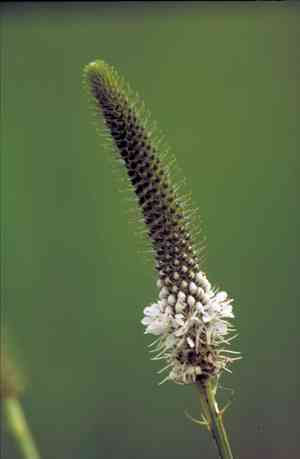
Prairie clover (Dalea) (Dalea)
Also known as: Purple Prairie Clover, Prairie Clover
Prairie clover, exclusive to the Americas, thrives in diverse environments, from high deserts to the dry regions of tropical forests. These flowering plants are popular in home gardens for their delicate, pea-like blooms and subtle, dusty foliage. The genus name, **Dalea**, honors the English naturalist Samuel Dale.
In This Article
Attributes of Prairie clover (Dalea)
Lifespan
Perennial
Plant Height
0.3 to 1 meter (1 to 3 feet)
Spread
Approximately 0.3 to 0.6 meters (1 to 2 feet)
Leaf Color
Green
Flower Size
0.5 to 1.5 cm (0.2 to 0.6 inches)
Flower Color
Purple, Pink, White
Images of Prairie clover (Dalea)
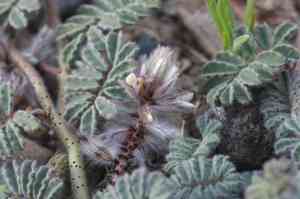
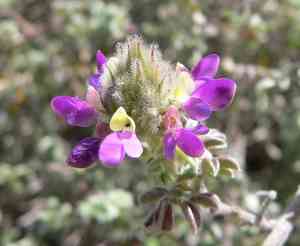
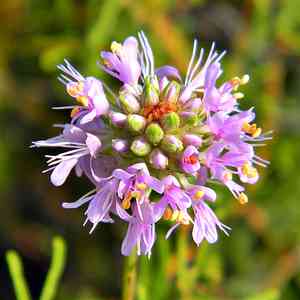
Quickly Identify Prairie clover (Dalea)
1
Dalea plants can be identified by their compound leaves with multiple small leaflets, dense spikes of small, brightly colored flowers (typically purple or pink), and their ability to thrive in well-drained soils.
Scientific Classification of Prairie clover (Dalea)
Phylum
Magnoliophyta
Class
Magnoliopsida
Order
Fabales
Family
Fabaceae
Genus
Dalea
Planting and Growing of Prairie clover (Dalea)
Care Difficulty
Moderate
Watering Schedule
Every 2 days
Sunlight Requirements
Full sun
Sunshine Duration
6-10 hours
Ideal Temperature
70-85℉
Soil Type
Potting Mix, Peat Mix
Soil pH
6.5-7.5
Fertilizer Type
Balanced
Pruning Season
Spring, Summer
Pruning Area
Branches, Leaves
Pruning Frequency
2 times a year
Repotting Season
Spring
Pot Type
Plastic, Ceramic
 How to Water Prairie clover (Dalea)?
The amount of water for Dalea should be sufficient to moisten the soil thoroughly but not so much that it becomes waterlogged. Aim for about 500 ml of water, allowing the water to seep down to the root zone, promoting healthy growth without oversaturating the soil.
What are the symptoms of an underwatered Prairie clover (Dalea)?
›
What should I do if my Prairie clover (Dalea) is not getting enough water?
›
What are the symptoms of an overwatered Prairie clover (Dalea)?
›
How to save an overwatered Prairie clover (Dalea)?
›
 What Are the Sunlight Requirements for Prairie clover (Dalea)?
Dalea thrives in full to partial sun, ideally receiving 6 to 8 hours of sunlight per day. Adequate light results in vigorous growth, richer blooms, and enhances the overall aesthetic appeal of the plant.
What kind of sunlight is ideal for Dalea?
›
How can I ensure Dalea gets its ideal light conditions?
›
What benefits does Dalea get from ideal lighting?
›
 What Is the Ideal Temperature Range for Prairie clover (Dalea)?
The ideal temperature range for Dalea typically spans from 70°F to 85°F. This range is conducive to optimal growth and flowering, supporting the plant's natural processes. Maintaining temperatures within this range ensures that Dalea can photosynthesize efficiently and grow without stress. Gardeners aiming for robust plants must take care to replicate these conditions in outdoor settings or controlled environments like greenhouses.
 What Soil is Best for Prairie clover (Dalea)?
Dalea prefers soil with excellent drainage capability to prevent root rot. Well-drained soil keeps the roots healthy and ensures optimum growth by allowing essential nutrients to flow easily to the plants. This plant thrives in soils that have moderate nutrient levels. While it enjoys basic fertility, excessive nutrients, particularly nitrogen, can hinder its flowering capabilities. A balanced nutrient profile encourages robust blooms. Dalea benefits from well-aerated soil, which ensures that roots receive sufficient oxygen for metabolic processes. Proper aeration improves soil structure, thereby supporting healthy root growth and plant vigor.
 How to Fertilize Prairie clover (Dalea)?
For Dalea plants, it is recommended to use a balanced fertilizer. When applying liquid fertilizers, use approximately one teaspoon per gallon of water. For solid fertilizers, a light sprinkling around the base of the plant is sufficient. Be cautious not to over-fertilize as this can damage the roots.
 How to Prune Prairie clover (Dalea)?
Start by examining the plant and look for any dead or diseased branches. These should be removed first to help improve air circulation and sunlight penetration. Focus on lightly trimming the outer sections to maintain a uniform shape. This encourages bushier growth, improving aesthetics and plant vigor. Make your cuts at a slight angle, just above a leaf node or bud. This technique promotes healthier regrowth and helps the plant recover faster after pruning.
 How to Propagate Prairie clover (Dalea) plant?
1
To propagate Dalea from seeds, collect mature seed pods in the autumn when they are brown and dry. Store them in a cool, dry place until planting them in the spring.
2
Use a well-draining soil mix suitable for seeds or cuttings. A blend of peat, perlite, and sand works well. Ensure it's sterile to prevent disease.
3
For cutting propagation, select healthy stems in late spring. Cut sections about 4-6 inches long, ensuring each has multiple nodes for root development.
 How to Repot Prairie clover (Dalea) plant?
1
Dalea shows signals like signs of stress, slow growth, or roots emerging from drainage holes when it needs repotting. Optimal times are during Spring or Summer, ensuring the plant has a whole season to recover and continue growing robustly.
2
Select a pot that is 1-2 inches larger in diameter than the current one. A pot with good drainage is vital to prevent water retention, thereby reducing the risk of root rot and promoting healthy root development for Dalea plants.
3
Opt for a well-draining sandy soil mix, as it mimics their natural habitat. Such soil prevents waterlogging and encourages the plant roots to aerate perfectly, ensuring adequate moisture retention and nutrient absorption tailored for Dalea's growth.
Learn More About Prairie clover (Dalea) Diseases
Anthracnose
Bacterial Leaf Spot
Bacterial Wilt
Chemical Injury
Damping-off
Downy Mildew
Drought Stress
Fusarium Wilt
Gray Mold
Leaf Curl
Leaf Spot
Mosaic
Nutrient Deficiency
Nutrient Toxicity
Powdery Mildew
Root Rot
Root-knot Nematode
Rusts
Sooty Mold
Spider Mites
Temperature Stress
Thrips Damage
White Mold

