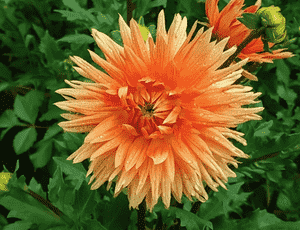
Dahlia × cultorum (Dahlia × cultorum)
Also known as: Garden Dahlia
Dahlia × cultorum, commonly known as the garden dahlia, is a hybrid flower famous for its vibrant and diverse range of colors and forms. It is widely cultivated as an ornamental plant in gardens and landscapes.
In This Article
Attributes of Dahlia × cultorum
Lifespan
The Dahlias are perennial plants, but they are often grown as annuals.
Images of Dahlia × cultorum
Quickly Identify Dahlia × cultorum
1
Garden dahlias can be recognized by their large, showy blooms with a variety of petal shapes and arrangements. The plants typically have a bushy growth habit, with pinnate leaves and hollow stems.
Scientific Classification of Dahlia × cultorum
Phylum
Magnoliophyta
Class
Magnoliopsida
Order
Asterales
Family
Asteraceae
Genus
Dahlia
Planting and Growing of Dahlia × cultorum
Watering Schedule
Every 4 days
Sunlight Requirements
Full sun
Sunshine Duration
6-10 hours
Ideal Temperature
60-70℉
Soil Type
Potting Mix, Peat Mix
Soil pH
6.5-7.5
Fertilizer Type
Balanced
Pruning Season
Spring, Summer
Pruning Area
Branches, Leaves
Pruning Frequency
2 times a year
Repotting Season
Spring
Pot Type
Plastic, Ceramic
 How to Water Dahlia × cultorum?
For Dahlia × cultorum, it's important to water thoroughly but avoid waterlogging. Ideally, the soil should be kept consistently moist but not saturated. Depending on the climate and season, around 500 ml of water per session should suffice. Ensure the water reaches the roots, allowing the soil to dry slightly between watering sessions.
What are the symptoms of an underwatered Dahlia × cultorum?
›
What should I do if my Dahlia × cultorum is not getting enough water?
›
What are the symptoms of an overwatered Dahlia × cultorum?
›
How to save an overwatered Dahlia × cultorum?
›
 What Are the Sunlight Requirements for Dahlia × cultorum?
Dahlias flourish best in full to partial sun conditions. With proper sunlight, they produce abundant, vibrant blooms and maintain sturdy, healthy foliage. Adequate light enhances photosynthesis, yielding robust growth, reducing pest susceptibility, and ensuring an impressive floral display throughout the season.
How much sun do Dahlias need daily?
›
What's the best place to plant Dahlias?
›
Why is optimal light so crucial for Dahlia growth?
›
 What Is the Ideal Temperature Range for Dahlia × cultorum?
Dahlia × cultorum thrives best within a temperature range of 60 to 70 degrees Fahrenheit. Maintaining this temperature helps to ensure optimal growth and blooming, as it mimics the moderate climates these plants are naturally adapted to. The stability within this range supports robust plant health and vibrant flower production.
 What Soil is Best for Dahlia × cultorum?
Dahlia × cultorum thrives best in soil that drains well, preventing waterlogging which can lead to root rot. Well-drained soil ensures that the plant roots receive adequate air and prevents the accumulation of excess moisture, which could lead to fungal infections. This plant benefits from a nutrient-rich soil loaded with organic matter. Fertile soil provides essential nutrients that fuel robust growth and vibrant blooms, enhancing the overall aesthetic appeal of the plant. Soil with moderate moisture retention is ideal, as it maintains sufficient hydration without drowning the roots. This balance ensures a steady water supply, supporting healthy foliage and frequent flowering.
 How to Fertilize Dahlia × cultorum?
For Dahlia × cultorum, the recommended fertilizer amount is moderate. Use about 1 tablespoon of balanced liquid fertilizer diluted in a gallon of water per application. For solid fertilizers, apply about 2 to 3 pounds per 100 square feet of garden space. Ensure to follow package instructions as over-fertilizing can damage plants.
 How to Prune Dahlia × cultorum?
Start by inspecting the plant and removing any dead or damaged stems. Cut them back to the base to prevent the spread of disease and to tidy up the overall appearance of the plant. To encourage bushier growth, pinch out the growing tips of young plants. This technique will promote side branching, resulting in a fuller and more robust plant. Regularly deadhead spent blooms by cutting back to a lateral bud or leaf node. This will redirect the plant's energy into producing new flowers rather than seed production. Thin out crowded stems to enhance air circulation within the plant. This helps to minimize problems with mildew and keeps your dahlia healthy and thriving throughout the growing season.
 How to Propagate Dahlia × cultorum plant?
1
Choose strong, healthy stems with no signs of disease. Ideally, the stem should be from the current year's growth, about 4-6 inches long, with several nodes.
2
Make a clean cut below a node, remove the lower leaves, and dip the end in rooting hormone. This enhances the likelihood of successful root development.
3
Plant the cutting in a well-draining rooting medium, such as a mix of perlite and peat. Ensure it remains upright and stable within the medium.
 How to Repot Dahlia × cultorum plant?
1
You’ll know it’s time to repot Dahlia × cultorum when the roots begin to emerge from the drainage holes or when the plant shows stunted growth. Additionally, if the soil seems dry even soon after watering, the plant might be root-bound, signaling it's necessary to move it into a larger pot for better growth.
2
Select a pot that is 2-3 inches wider in diameter than the current one and has proper drainage holes at the base. This offers the plant more room to grow and reduces the risk of waterlogging, which can lead to root rot. The material of the pot should also facilitate breathability, like unglazed ceramic or terra cotta, for a healthier plant environment.
3
Opt for a well-draining potting mix rich in organic matter; this enhances aeration and moisture retention. A combination of garden loam, peat moss, and perlite can provide a balanced mix that encourages healthy growth. Proper soil ensures nutrients and water are effectively utilized by the plant’s roots.
Toxicity
Ingestion
WARNING
The judgment on toxicity and danger is for reference only. We DO NOT GUARANTEE any accuracy of such judgment. Therefore, you SHALL NOT rely on such judgment. It is IMPORTANT TO SEEK PROFESSIONAL ADVICE in advance when necessary.
Learn More About Dahlia × cultorum Diseases
Anthracnose
Bacterial Leaf Spot
Bacterial Soft Rot
Bacterial Wilt
Black Spot
Chemical Injury
Crown Gall
Damping-off
Downy Mildew
Drought Stress
Fusarium Wilt
Gray Mold
Leaf Spot
Mosaic
Nutrient Deficiency
Nutrient Toxicity
Powdery Mildew
Root Rot
Root-knot Nematode
Rusts
Sooty Mold
Spider Mites
Temperature Stress
Thrips Damage
White Mold

