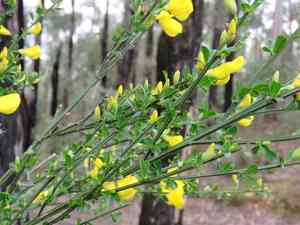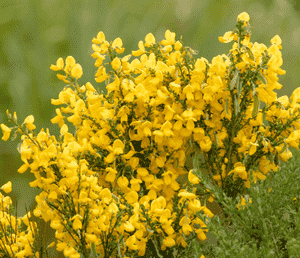
Scotch broom(Cytisus scoparius)

Scotch broom (Cytisus scoparius)

Also known as: Spanish Broom, Yellow broom, Common broom

Heather (Calluna vulgaris) is a perennial shrub native to Europe that thrives in sunny locations with dry, acidic soil. Known for its resilience, heather was historically linked to French King Charles VI. In folklore, heather was often associated with protection and good fortune.

Attributes of Scotch broom

Lifespan
Perennial
Plant Type
Shrub
Plant Height
1 m to 3 m
Spread
1.2 m to 2.5 m
Leaf Color
Green
Flower Size
1.5 cm to 2 cm
Flower Color
Yellow Red Orange Pink

PlantJoy - Identify plants with a snap

Identify and diagnose plants, get toxicity alerts, and explore safety guides for all types of fungi.

Try for Free

Images of Scotch broom

Scotch broom(Cytisus scoparius)

Quickly Identify Scotch broom

1
Angular, rough-textured stems distinguish scotch broom from smooth stems commonly seen in shrubs.
2
Vibrant flowers in yellow, red, or pink hues bloom in late spring, resembling sweet pea blooms.
3
Leguminous green pods with fine hairs along edges split open upon maturity for seed dispersal.
4
Trifoliate compound leaves transition to singular leaflets, showcasing unique greenery variance.
5
Slender green stems with 5-angled structure and ridged texture aid in plant identification.

Scientific Classification of Scotch broom

Phylum
Vascular plants
Class
Dicotyledons
Order
Legumes, milkworts and allies
Family
Legume
Genus
Brooms
Species
Scotch broom

Planting and Growing of Scotch broom

Care Difficulty
Easy
Watering Schedule
Every 2 days
Sunlight Requirements
Full sun
Sunshine Duration
8-12 hours
Ideal Temperature
60-75℉
Soil Type
Potting Mix, Peat Mix
Soil pH
6.5-7.5
Fertilizer Type
Balanced
Pruning Season
Spring, Summer
Pruning Area
Branches, Leaves
Pruning Frequency
2 times a year
Repotting Season
Spring
Pot Type
Plastic, Ceramic

water icon How to Water Scotch broom?

Cytisus scoparius prefers to be watered deeply but infrequently. Ensure the soil is soaked thoroughly, allowing water to reach the plant's deeper roots. This mimics its natural environment and supports healthy growth while preventing root rot.
What are the symptoms of an underwatered Scotch broom?
What should I do if my Scotch broom is not getting enough water?
What are the symptoms of an overwatered Scotch broom?
How to save an overwatered Scotch broom?
More About Watering Techniques

sunlight icon What Are the Sunlight Requirements for Scotch broom?

Sunlight Requirements: Full sun, Partial sun
Duration of light: 6 to 8 hours
Cytisus scoparius thrives in full to partial sun conditions. Ideal lighting fosters rich foliage and vibrant flowering, encouraging strong growth and resilience against environmental stress.
What is the best time of day for sunlight?
How can one ensure sufficient sunlight exposure?
What must be avoided to maintain ideal lighting?
More About Sunlight Requirements Techniques

temperature icon What Is the Ideal Temperature Range for Scotch broom?

Ideal Temperature: 60 ~ 75℉
Cytisus scoparius thrives best within the temperature range of 60°F to 75°F. Within this range, the plant can photosynthesize efficiently, leading to robust growth and vibrant foliage. Maintaining this temperature range helps to promote blooming and seed production, ensuring that the plant reaches its full aesthetic and ecological potential.

soil icon What Soil is Best for Scotch broom?

Soil type: Sandy soil, Sandy loam, Loam
Soil PH: 6.5 ~ 7.5
Cytisus scoparius thrives best in well-drained soils which prevent water from pooling around the roots. This helps avoid root rot, ensuring the plant’s health and encouraging vibrant growth and blooming. The plant prefers soil with moderate fertility. Rich soils can lead to excessive leafy growth at the expense of flowers. A balanced nutrient level supports energy-efficient flowering and overall plant vigor. Cytisus scoparius does not require high levels of organic matter. In fact, leaner soils promote sturdier growth, making the plant more resilient to harsh weather conditions. More About Soil

fertilize icon How to Fertilize Scotch broom?

Fertilizer type: Balanced
Cytisus scoparius, commonly known as the broom, requires moderate fertilization. For liquid fertilizers, a dilution rate recommended by the manufacturer should be followed. For slow-release fertilizers, approximately 50-70 grams per application, depending on the plant's size, is sufficient. More About Fertilizing Techniques

prune icon How to Prune Scotch broom?

Pruning Time: Spring, Summer
Start by removing any dead or damaged stems. Cut back about a third of the older growth to encourage new shoots. Use sharp, clean pruning shears to make precise cuts just above a healthy bud. To maintain a tidy appearance, trim the tops and sides to shape the bush evenly. Aim for a slightly rounded form, which promotes even sunlight exposure and airflow throughout the plant. Every few years, perform rejuvenation pruning by cutting the plant back significantly, leaving only a third of the plant's height. This encourages vigorous new growth and revitalizes older plants. More About Pruning Techniques

propagate icon How to Propagate Scotch broom plant?

Propagate Time: Early spring, Spring, Late spring
1
Gather seeds from mature pods of Cytisus scoparius. Ensure the seeds are dry and free from disease before storing or planting. This step ensures the seeds are viable and less prone to rotting.
2
Select healthy, semi-hardwood cuttings from the parent plant. Cuttings should be about 10-15 cm long, ensuring lower leaves are removed to reduce water loss and prevent decay.
3
Plant the prepared cuttings in a well-drained mix of soil and sand. The medium should be kept moist but not waterlogged, and cuttings should be kept in a sheltered spot until roots develop.
More About Propagating Techniques

repot icon How to Repot Scotch broom plant?

Repotting frequency: Every 2-3 years
1
Cytisus scoparius shows it's ready for repotting when the roots become visible through the drainage holes or when growth seems stunted, which generally indicates a need for more space. Spring and Autumn are the ideal times to repot, as these seasons provide optimal conditions for recovery and regrowth.
2
Select a pot that provides good drainage, slightly larger than the current one to allow growth but not too big to avoid waterlogging. A pot with multiple drainage holes is ideal to prevent root rot, ensuring excess water flows freely out of the container, fostering healthy root development.
3
Opt for a sandy, well-draining soil mix to mimic its native habitat, allowing water to pass through swiftly, preventing root rot and ensuring the roots receive the necessary oxygen. Such soil not only supports plant health but also reduces the likelihood of stagnant moisture that can cause root diseases.

PlantJoy - Identify plants with a snap

Find the best spots for them to optimize their health, simply using your phone.

Try for Free

Toxicity of Scotch broom

Is Scotch broom toxic to humans?

Scotch broom can lead to toxic reactions in humans upon ingestion. The severity of symptoms varies from mild to moderate, contingent on the quantity consumed. Every part of the plant, including the seeds, poses a toxicity risk if eaten. Ingesting these plant components can result in symptoms of poisoning such as perspiration, fatigue, dilated pupils, dizziness, headaches, and heart palpitations. Given its somewhat weedy nature, Scotch broom may grow freely within areas accessible to children, who might unknowingly consume the plant, unaware of its toxic effects.

Is Scotch broom toxic to cat?

Scotch broom is recognized as a toxic species for cats. Poisoning typically occurs when a cat inadvertently consumes the plant. Every part of Scotch broom is deemed hazardous, creating a potential risk regardless of which section a cat may eat. Following ingestion, the cat may show signs of physical discomfort or sickness. It is vital for cat owners to be informed about these threats and to vigilantly observe their pets for any indications of distress. If scotch broom poisoning is suspected, it is essential to obtain prompt veterinary assistance to secure the best possible recovery for the affected feline.

Is Scotch broom toxic to dog?

The Scotch broom is a harmful plant for dogs, presenting a serious health threat if consumed. Dogs may inadvertently ingest parts of this plant, resulting in toxicity. Every part of the plant is dangerous, meaning that ingesting any portion could lead to negative health effects. Symptoms of toxicity in dogs can range from vomiting and diarrhea to more severe indications such as alterations in heart rate or blood pressure. It is essential for dog owners to be cautious and keep their pets away from areas where Scotch broom is present. If there is a suspicion that a dog has ingested Scotch broom, it is vital to seek prompt veterinary assistance to ensure the best possible outcome for the animal.

Identify toxic plants for your safety

Learn which plants are harmful to you and your pets, and make informed choices for a safer home!

Try for Free
WARNING
The judgment on toxicity and danger is for reference only. We DO NOT GUARANTEE any accuracy of such judgment. Therefore, you SHALL NOT rely on such judgment. It is IMPORTANT TO SEEK PROFESSIONAL ADVICE in advance when necessary.
More About Toxic Techniques