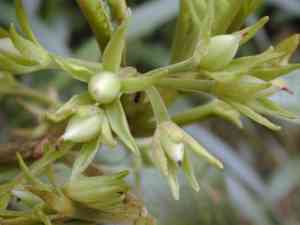
'ilihia (Cyrtandra platyphylla)
Also known as: none
Ilihia is a distinctive tropical fern characterized by its wide, vibrant green fronds. These fronds are designed to efficiently capture the limited, diffused light available in dense forest understories. The plant's form and leaf structure are well-suited for maximizing photosynthesis in low-light conditions. Additionally, ilihia maintains a subtle presence with its inconspicuous reproductive structures, which are adept at spreading spores in its moist, shaded environment. This ability to reproduce via spores rather than relying on conspicuous flowers underscores its specialized adaptation to thrive in its niche ecosystem.
In This Article
Attributes of 'ilihia
Lifespan
Perennial
Plant Type
Herb
Plant Height
Typically up to 1 meter (3.3 feet)
Spread
N/A
Leaf Color
Green
Flower Size
Approximately 1 cm
Flower Color
White
Images of 'ilihia
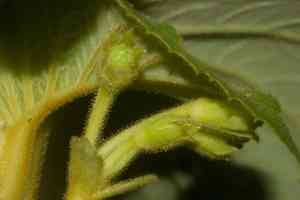
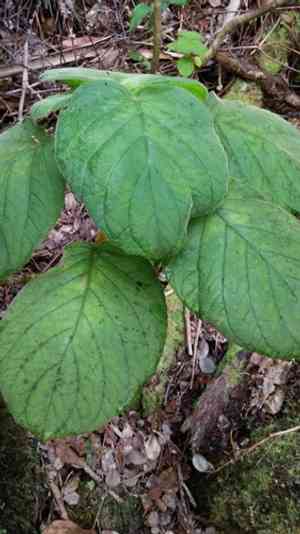
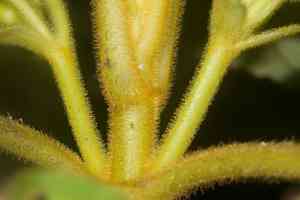
Quickly Identify 'ilihia
1
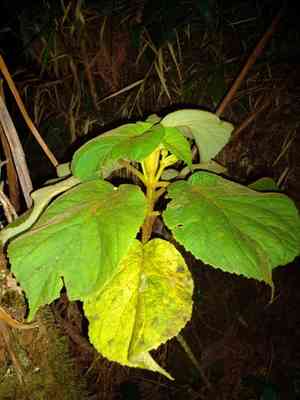
Cyrtandra platyphylla can be identified by its broad, flat leaves and the white flowers that it produces. The leaves are often shiny and smooth, while the flowers are small and tubular.
Scientific Classification of 'ilihia
Phylum
Vascular plants
Class
Dicotyledons
Order
Lamiales
Family
African violet
Genus
Cyrtandra
Species
'ilihia
Planting and Growing of 'ilihia
Care Difficulty
Moderate
Watering Schedule
Every 2 days
Sunlight Requirements
Partial sun
Sunshine Duration
4-8 hours
Ideal Temperature
65-75℉
Soil Type
Potting Mix, Peat Mix
Soil pH
6.5-7.5
Fertilizer Type
Balanced
Pruning Season
Spring, Summer
Pruning Area
Branches, Leaves
Pruning Frequency
2 times a year
Repotting Season
Spring
Pot Type
Plastic, Ceramic
 How to Water 'ilihia?
For Cyrtandra platyphylla, the ideal watering amount per session is 200 milliliters. Ensure that the soil is thoroughly moistened, but avoid waterlogging it. The key is to provide enough water to wet the entire root zone without leaving excess water stagnant at the bottom.
What are the symptoms of an underwatered 'ilihia?
›
What should I do if my 'ilihia is not getting enough water?
›
What are the symptoms of an overwatered 'ilihia?
›
How to save an overwatered 'ilihia?
›
 What Are the Sunlight Requirements for 'ilihia?
Partial sun and full shade are best suited for Cyrtandra platyphylla. Ideal lighting ensures lush leaf development and promotes photosynthesis, strengthening plant structure and resilience while minimizing risk factors such as leaf scorch or pale coloration.
What's the best location for Cyrtandra platyphylla?
›
How does this plant respond to the light level?
›
What solutions ensure optimal light conditions?
›
 What Is the Ideal Temperature Range for 'ilihia?
The ideal temperature range for Cyrtandra platyphylla is between 65°F and 75°F. This range ensures optimal growth and health, providing a stable environment that mimics its natural habitat. Maintaining temperatures within this range helps in proper physiological functions and maximizes the plant's growth potential.
 What Soil is Best for 'ilihia?
Cyrtandra platyphylla thrives in well-drained soil, which prevents root rot by allowing excess water to escape. This type of soil ensures that roots receive adequate air and nutrients, promoting healthy growth. This plant benefits from soil rich in organic matter, providing essential nutrients for vigorous growth. Organic-rich soil also enhances moisture retention, which is crucial for balanced water availability. Maintaining a balance in soil moisture is essential for Cyrtandra platyphylla. Soil that retains moisture without waterlogging supports steady growth and sustains the plant during dry spells.
 How to Fertilize 'ilihia?
For Cyrtandra platyphylla, the ideal fertilizer amount should be moderate, as over-fertilization can lead to nutrient burn. Use a balanced liquid fertilizer at half the recommended strength per liter of water. Apply approximately 200-300 milliliters per plant to ensure even distribution without flooding the soil.
 How to Prune 'ilihia?
Begin by inspecting the plant for any dead or diseased leaves and branches. Carefully remove these by cutting at a 45-degree angle near the base of the stem, avoiding damage to nearby healthy tissue. To shape Cyrtandra platyphylla, prune back overgrown stems to your desired length. This not only helps maintain the plant's preferred symmetry but also enhances light penetration throughout the foliage. Pinch back tips of branches where bushier growth is desired. This encourages the plant to produce lateral branches, leading to a fuller appearance and potentially more blooms.
More About Pruning Techniques→
 How to Propagate 'ilihia plant?
1
Begin by collecting seeds from a mature Cyrtandra platyphylla plant. Ensure the seeds are fully ripe by examining their color and firmness, which indicates readiness for planting.
2
Sow the seeds in a seed tray filled with a lightweight potting mix. Cover them lightly with soil to allow sufficient light penetration, which is vital for germination.
3
Select healthy stems from the parent plant and use pruning shears to cut them into lengths of approximately 10-15 centimeters. Remove any leaves from the lower sections of the cutting.
 How to Repot 'ilihia plant?
1
Look for signs like roots emerging from drainage holes or noticeably slowed growth, as they often indicate the plant needs more space or resources. Timing this activity in early spring or summer ensures that Cyrtandra platyphylla has optimal conditions to recover and thrive post-repotting.
2
Select a pot that is 1-2 inches larger than the current one to encourage growth without overwhelming the plant. Ensure it has adequate drainage holes to prevent root rot, as this ensures excess water won't pool at the bottom, a condition detrimental to this particular species.
3
A well-draining potting mix is crucial, as it mimics the plant's natural habitat and prevents waterlogging. Adding perlite or sand can improve soil aeration, providing roots with the air they need while allowing water to drain efficiently.
Learn More About 'ilihia Diseases
Anthracnose
Bacterial Leaf Spot
Bacterial Soft Rot
Bacterial Wilt
Black Spot
Chemical Injury
Crown Gall
Damping-off
Downy Mildew
Drought Stress
Fusarium Wilt
Gray Mold
Leaf Curl
Leaf Spot
Mosaic
Nutrient Deficiency
Nutrient Toxicity
Powdery Mildew
Root Rot
Root-knot Nematode
Rusts
Sooty Mold
Spider Mites
Temperature Stress
Thrips Damage
White Mold



