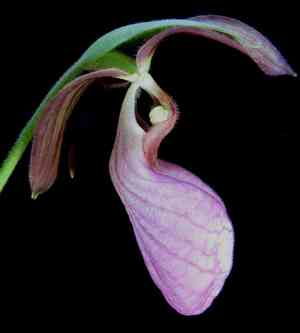
Pink lady slipper(Cypripedium acaule)

Pink lady slipper (Cypripedium acaule)

Also known as: Stemless lady's-slipper

The roots of the pink lady slipper (Cypripedium acaule) engage in a symbiotic relationship with the fungus Rhizoctonia. This fungus is crucial for the orchid's lifecycle, particularly in seed germination, as it supplies the necessary nutrients that the seeds themselves lack. Additionally, Rhizoctonia continues to support the plant by providing essential nutrients throughout its growth.

Attributes of Pink lady slipper

Lifespan
Perennial
Plant Type
Herb
Plant Height
15 cm to 61 cm
Spread
23 cm
Leaf Color
Green
Flower Size
4 mm to 1.7 cm
Flower Color
Pink Green

PlantJoy - Identify plants with a snap

Identify and diagnose plants, get toxicity alerts, and explore safety guides for all types of fungi.

Try for Free

Images of Pink lady slipper

Pink lady slipper(Cypripedium acaule)

Quickly Identify Pink lady slipper

1
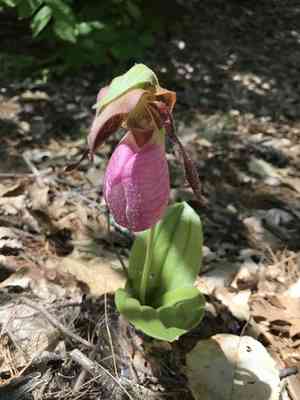
Solitary, pink pouch-like blossom on leafless stalk (6-15 inches/15-38 cm tall).
2
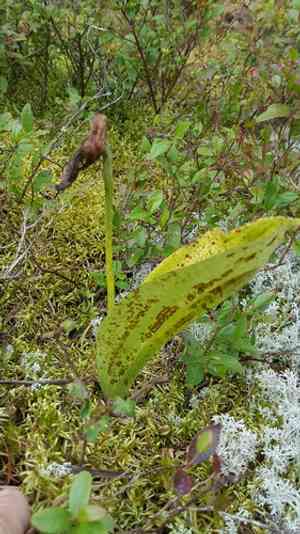
Distinctive green, leaf blades at stalk base with twisted lateral petals (late spring blooms).
3
Unique hollow pink pouch flower with heavy veining and greenish-brown sepals (April-June).
4
Fruit is upward-facing, elongated capsule turning brown, bursting with minuscule seeds (August).
5
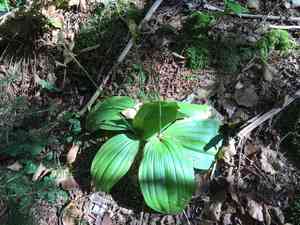
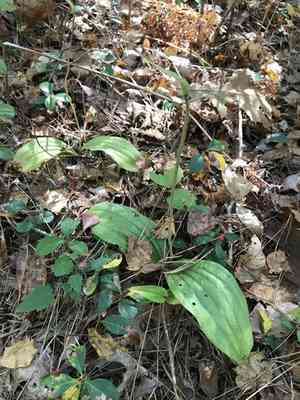
Opposite basal leaves (3-9 inches/7.5-23 cm long, 1-3 inches/2.5-7.5 cm wide) with prominent parallel veins.

Scientific Classification of Pink lady slipper

Phylum
Vascular plants
Class
Monocotyledons
Order
Asparagales
Family
Orchid
Genus
Slipper orchids
Species
Pink lady slipper

Planting and Growing of Pink lady slipper

Care Difficulty
Hard
Watering Schedule
Every 2 days
Sunlight Requirements
Partial sun
Sunshine Duration
4-6 hours
Ideal Temperature
60-75℉
Soil Type
Potting Mix, Peat Mix
Soil pH
4-5.5
Fertilizer Type
Balanced
Pruning Season
Spring, Summer
Pruning Area
Branches, Leaves
Pruning Frequency
2 times a year
Repotting Season
Spring
Pot Type
Plastic, Ceramic

water icon How to Water Pink lady slipper?

When watering Cypripedium acaule, it's essential to emulate its natural moist environments by using around 200 ml of water per session. Ensure the soil is well-moistened but not waterlogged. The idea is to allow the water to reach the root zone while keeping the medium aerated and well-drained. Overwatering can be detrimental, so it's crucial to strike a balance by checking that the topsoil is dry before the next scheduled watering.
What are the symptoms of an underwatered Pink lady slipper?
What should I do if my Pink lady slipper is not getting enough water?
What are the symptoms of an overwatered Pink lady slipper?
How to save an overwatered Pink lady slipper?

sunlight icon What Are the Sunlight Requirements for Pink lady slipper?

Sunlight Requirements: Partial sun, Full shade
Duration of light: 2 to 4 hours daily
Partial sun with some filtered light provides optimal growth conditions; too much can burn the plant, while too little results in weak growth. The ideal range ensures vibrant blooms and robust health.
How much sunlight is best?
What is the best way to position the plant?
What benefits does ideal lighting provide?
More About Sunlight Requirements Techniques

temperature icon What Is the Ideal Temperature Range for Pink lady slipper?

Ideal Temperature: 60 ~ 75℉
The ideal temperature range for growing Cypripedium acaule, also known as the Pink Lady's Slipper, is between 60°F and 75°F. These temperatures mimic the natural conditions found in its native habitats, such as cool forests and shaded woodlands. Maintaining this temperature range allows for optimal growth and flowering, ensuring the plant does not experience undue stress from temperature fluctuations.

soil icon What Soil is Best for Pink lady slipper?

Soil type: Acidic soil, Sandy loam
Soil PH: 4 ~ 5.5
Cypripedium acaule thrives in moist conditions yet demands well-draining soil to prevent root rot. This moisture balance is essential for promoting healthy growth and maintaining the plant's vibrant blossoms. The plant benefits from a rich, organic matter-infused soil, which provides essential nutrients, supports microorganism activity, and enhances soil structure, all crucial for robust Cypripedium acaule development. Unlike many other species, Cypripedium acaule requires a relatively low nutrient intake. An overabundance of fertilizers can harm the plant, making its soil needs quite distinct and suited for specific terrestrial habitats.

fertilize icon How to Fertilize Pink lady slipper?

Fertilizer type: Balanced
Cypripedium acaule, commonly known as the Pink Lady's Slipper, is sensitive to over-fertilization. It's recommended to use a dilute solution of liquid fertilizer at half the strength of what is generally recommended for orchids. Avoid heavy fertilization because it can damage the roots.

prune icon How to Prune Pink lady slipper?

Pruning Time: Spring, Summer
Examine the plant for any dead or damaged leaves and flower stems. These should be removed carefully to allow better air circulation and light penetration, aiding in overall plant vigor. Using a sharp, sterilized pair of pruning shears, make clean cuts close to the base of the leaf or stem. This helps to ensure the plant heals quickly, reducing the likelihood of infections. More About Pruning Techniques

propagate icon How to Propagate Pink lady slipper plant?

Propagate Time: Spring, Early spring
1
Collect mature Cypripedium acaule seeds in the fall and store them in a cool, dry place. Before sowing, soak seeds in a solution of water and fungicide to remove potential pathogens.
2
Sow seeds on sterilized media in a container under controlled conditions. Keep the medium moist and provide indirect sunlight to mimic the natural forest floor environment of the plant.
3
Prepare tissue samples by cleaning them thoroughly and using a scalpel to obtain small sections suitable for culture. Place them in sterilized containers with a nutrient-rich, hormone-balanced medium.
More About Propagating Techniques

repot icon How to Repot Pink lady slipper plant?

Repotting frequency: Every 2-3 years
1
Repot Cypripedium acaule when you see overcrowding in the current pot, reduced flowering, or poor drainage indicating compacted soil. Spring is ideal; the plant is emerging from dormancy, allowing it to establish well before the next growing season.
2
Select a pot with excellent drainage, slightly larger than the current one to allow root growth. A terracotta pot helps prevent waterlogging by allowing moisture evaporation. This minimizes the risk of root rot.
3
Use an acidic, well-drained mix such as a combination of pine bark, perlite, and a small amount of garden soil. This soil choice promotes root growth and resembles their natural habitat, helping prevent fungal diseases.

PlantJoy - Identify plants with a snap

Find the best spots for them to optimize their health, simply using your phone.

Try for Free

Toxicity of Pink lady slipper

Is Pink lady slipper toxic to humans?

The Pink Lady's Slipper may appear charming, but it has some rather unladylike features, being both hairy and irritating. Its stiff, glandular hairs located on the stem and particularly on the leaves can detach upon contact with skin, leading to a bothersome, itchy red rash akin to that of poison oak. If consumed, the rash can develop in the mouth and throat, potentially hindering breathing and swallowing if the swelling is significant. While the precise chemical responsible for this reaction remains unidentified, the adverse effects are thoroughly documented. It is advisable to wear gloves when handling this plant and to keep it out of reach of small children and others who require supervision for their safety.

Identify toxic plants for your safety

Learn which plants are harmful to you and your pets, and make informed choices for a safer home!

Try for Free
WARNING
The judgment on toxicity and danger is for reference only. We DO NOT GUARANTEE any accuracy of such judgment. Therefore, you SHALL NOT rely on such judgment. It is IMPORTANT TO SEEK PROFESSIONAL ADVICE in advance when necessary.
More About Toxic Techniques