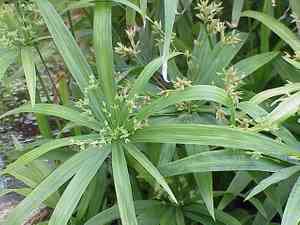
Nutgrasses (Cyperus) (Cyperus)
Also known as: Papyrus sedges, Umbrella sedges, Sedges
Nutgrasses, belonging to the diverse sedge family, thrive in various environments, including still or slow-moving waters, and display small green flowers. They hold ecological significance by providing food and habitat for numerous insects, birds, and mammals. Additionally, different species have practical uses: they have been utilized in crafting items like paper, mats, and traditional hats. Moreover, some species are cultivated as ornamental plants, often grown in pots and containers. Despite often being considered invasive in agricultural settings, nutgrasses play vital roles in ecosystems and human applications.
In This Article
Attributes of Nutgrasses (Cyperus)
Lifespan
Perennial
Plant Height
0.5 to 3 meters depending on the species
Spread
Variable, typically around 1 meter
Leaf Color
Green
Flower Size
Small, typically 1 to 3 cm in clusters
Flower Color
Greenish to brown
Images of Nutgrasses (Cyperus)
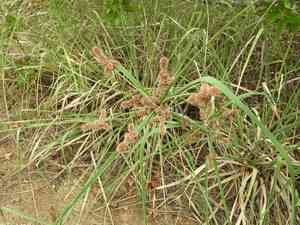
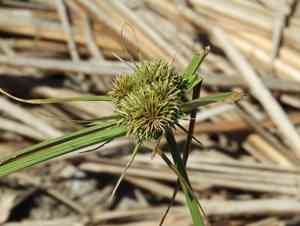
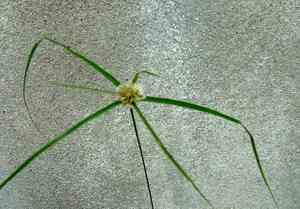
Quickly Identify Nutgrasses (Cyperus)
1
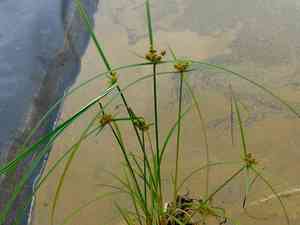
Cyperus plants typically have a triangular stem cross-section, tufted growth habit, and umbrella-like clusters of narrow leaves. The inflorescence often appears at the top of the stems with small, spikelet flowers.
Scientific Classification of Nutgrasses (Cyperus)
Phylum
Tracheophyta
Class
Liliopsida (Monocotyledons)
Order
Poales
Family
Cyperaceae
Genus
Cyperus
Planting and Growing of Nutgrasses (Cyperus)
Care Difficulty
Easy
Watering Schedule
Every 8 days
Sunlight Requirements
Full sun
Sunshine Duration
4-8 hours
Ideal Temperature
68-77℉
Soil Type
Potting Mix, Peat Mix
Soil pH
5.5-7.5
Fertilizer Type
Balanced
Pruning Season
Spring, Summer
Pruning Area
Branches, Leaves
Pruning Frequency
2 times a year
Repotting Season
Spring
Pot Type
Plastic, Terracotta
 How to Water Nutgrasses (Cyperus)?
The Cyperus plant thrives in consistently moist soil. When watering, aim for about 200 milliliters, ensuring the top layer of soil is moist but not waterlogged. It's essential to allow excess water to drain to prevent root rot.
What are the symptoms of an underwatered Nutgrasses (Cyperus)?
›
What should I do if my Nutgrasses (Cyperus) is not getting enough water?
›
What are the symptoms of an overwatered Nutgrasses (Cyperus)?
›
How to save an overwatered Nutgrasses (Cyperus)?
›
 What Are the Sunlight Requirements for Nutgrasses (Cyperus)?
Cyperus thrives best with access to full to partial sunlight, benefiting from light that promotes vibrant growth. Ideal light conditions encourage vigorous foliage, ensuring the plant’s structural health and aesthetic fullness.
How much light does Cyperus need?
›
What solutions can ensure ideal light for Cyperus?
›
What are the benefits of ideal lighting conditions?
›
 What Is the Ideal Temperature Range for Nutgrasses (Cyperus)?
The Cyperus plant, thriving in tropical and subtropical climates, prefers an ideal temperature range between 68°F and 77°F. This range ensures adequate warmth for rapid and healthy growth, simulating its native environment.
 What Soil is Best for Nutgrasses (Cyperus)?
Cyperus requires soil with good drainage. It thrives in environments where excess water can easily escape, preventing root rot and allowing the roots to access just the right amount of moisture. The plant benefits from nutrient-rich soil, which supports its lush growth and vibrant green stems. Enriched soil helps in maintaining vigorous foliage and promotes faster plant development. Cyperus prefers consistently moist soil, mimicking its natural wetland habitat. Constant moisture enhances growth and keeps the plant healthy and resilient against pest attacks.
 How to Fertilize Nutgrasses (Cyperus)?
For Cyperus, use a balanced liquid fertilizer at half strength for each application. Ensure the soil isn't saturated, but still maintains enough moisture to deliver nutrients effectively without overwhelming the plant's roots.
 How to Prune Nutgrasses (Cyperus)?
Begin by inspecting the plant for any stems that appear brown, yellowed, or damaged. Dead or unsightly stems not only detract from the plant's appearance but can also harbor pests or diseases. Use sharp, clean scissors to cut these stems back to the base to promote healthier growth. To maintain an attractive shape and control the size of your Cyperus, selectively trim the outer stems. Cut them back to a preferred length just above a node, which is the point from where new growth can emerge. This encourages a fuller, more compact plant appearance.
 How to Propagate Nutgrasses (Cyperus) plant?
1
Start with a substrate of peat mixed with perlite for seeds or a well-draining soil mix for divisions. Ensure the substrate is consistently moist but not soggy to promote optimal growth and development of new plants.
2
Broadcast the seeds over the prepared surface and lightly press them into the soil. Cyperus seeds require light to germinate, so avoid covering them with too much soil. Maintain a humid environment, potentially using a clear cover to retain moisture.
3
Using the garden spade, carefully dig up an established Cyperus clump and gently shake off excess soil. Divide the clump into smaller sections, ensuring each section has a viable root system. Replant the divisions at the same depth they were growing initially.
 How to Repot Nutgrasses (Cyperus) plant?
1
Cyperus plants display obvious signs when repotting is needed. Look for roots growing out of the drainage holes or visibly cramped within the pot. Another indicator is when the plant begins to dry out too quickly after watering, suggesting that the root ball is becoming too crowded. These signals ensure your plant will thrive in its new container.
2
When selecting a new pot for your Cyperus, opt for one that is just slightly larger than the current container, perhaps one to two inches wider in diameter. This size allows for growth without overwhelming the plant. A container with good drainage holes is also crucial to prevent waterlogging, which could lead to root rot—a common issue for many plant species.
3
The ideal soil for Cyperus should emulate its natural marshy habitat, retaining moisture yet allowing for proper drainage. A commercially available well-draining potting mix supplemented with organic material like peat moss or coco coir can help achieve the balance. This mix will support healthy root development and prevent the soil from becoming too compacted.

