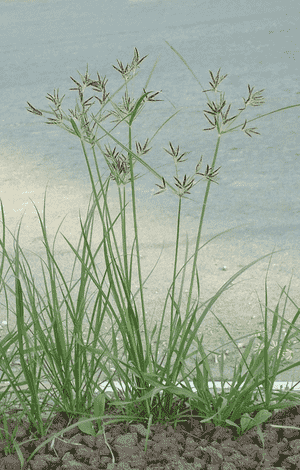
Nut grass (Cyperus rotundus)
Also known as: Nut-grass, Coco-grass, Java grass, Coquito
Nut grass, also known as nutsedge, is a pervasive perennial found globally. Its name comes from its nut-like tubers. This plant is notoriously invasive and challenging to remove permanently. It significantly hampers crop productivity and often withstands common herbicides, making it a persistent agricultural problem.
In This Article
Attributes of Nut grass
Lifespan
Perennial
Plant Type
Grass
Plant Height
1.4 m
Spread
1 m
Leaf Color
Green Yellow Gold Brown Blue Bronze
Flower Size
1.2 cm to 5 cm
Flower Color
Brown Red Green Purple
Images of Nut grass
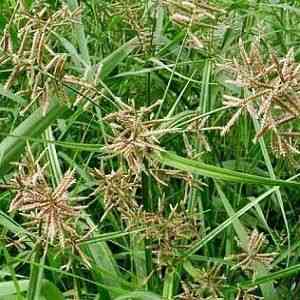
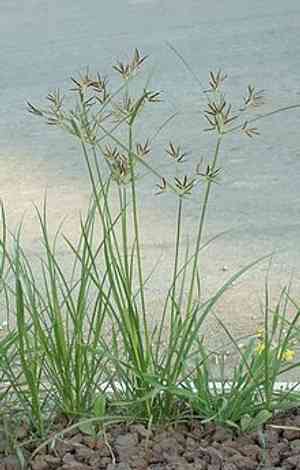
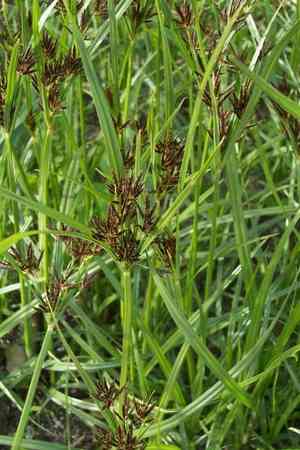
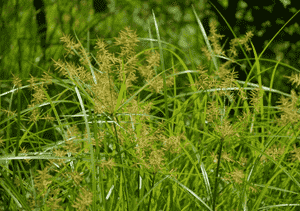
Quickly Identify Nut grass
1
Triangular stem with three branches
2
Purple, antenna-like seedpods
3
Reddish-purple to brown flowers in dense clusters
4
Tiny, smooth-textured triangular achenes in fruit clusters
5
Long, narrow dark green leaves with scabrid margins
Scientific Classification of Nut grass
Phylum
Vascular plants
Class
Monocotyledons
Order
Grasses, sedges and allies
Family
Sedge
Genus
Nutgrasses
Species
Nut grass
Planting and Growing of Nut grass
Care Difficulty
Hard
Watering Schedule
Every 8 days
Sunlight Requirements
Full sun
Sunshine Duration
4-8 hours
Ideal Temperature
68-95℉
Soil Type
Potting Mix, Peat Mix
Soil pH
5-7.2
Fertilizer Type
Balanced
Pruning Season
Spring, Summer
Pruning Area
Branches, Leaves
Pruning Frequency
2 times a year
Repotting Season
Spring
Pot Type
Plastic, Terracotta
 How to Water Nut grass?
Cyperus rotundus prefers evenly moist soil, so watering should be enough to keep the soil consistently damp but not waterlogged. Approximately 300 milliliters per plant should suffice, adjusting for factors such as humidity and soil type. The goal is to maintain moisture without excess pooling around the plant.
What are the symptoms of an underwatered Nut grass?
›
What should I do if my Nut grass is not getting enough water?
›
What are the symptoms of an overwatered Nut grass?
›
How to save an overwatered Nut grass?
›
 What Are the Sunlight Requirements for Nut grass?
Cyperus rotundus benefits from partial to full sun exposure. This ensures it receives adequate sunlight for photosynthesis, maximizing its growth potential and health, which allows for more robust development and vitality.
How much sun does Cyperus rotundus need?
›
What is the best location for its growth?
›
What benefits does ideal lighting bring?
›
 What Is the Ideal Temperature Range for Nut grass?
The ideal temperature range for Cyperus rotundus is between 68°F to 95°F. This range ensures optimal growth and health, providing the plant with the warmth it needs for physiological processes while avoiding the stress that comes from higher or lower temperatures. Maintaining this range allows for strong root development and lush foliage.
 What Soil is Best for Nut grass?
Cyperus rotundus thrives in soil with excellent drainage to prevent waterlogging, which can stunt growth and encourage root rot. Ensuring good drainage mimics the natural habitats this plant prefers, thus supporting robust growth. Having a nutrient-rich soil is crucial for Cyperus rotundus as it supports its rapid growth and replenishes essential minerals lost from frequent harvesting or cutting back. While this plant likes well-drained soil, it also requires soil that retains sufficient moisture, allowing it to maintain growth during dry spells without frequent watering.
 How to Fertilize Nut grass?
For Cyperus rotundus, applying liquid fertilizer should be done carefully. Use a diluted solution at a quarter of the recommended strength to avoid root burn.
 How to Prune Nut grass?
Start by identifying older or damaged shoots and cut them back to ground level or where they emerge from the main rhizome. This encourages new growth and keeps the plant from spreading uncontrollably. Make cuts at a slight angle to prevent water from pooling on the cut surface, which can lead to rot. An angled cut exposes less tissue to potential pathogens and promotes better drainage. After pruning, remove all cut plant material and debris from the area to prevent disease and discourage pests. Clearing debris also gives the plant a cleaner environment to regenerate.
 How to Propagate Nut grass plant?
1
Scatter Cyperus rotundus seeds evenly over a moistened seed-starting mix in a seed tray. Lightly cover the seeds with a thin layer of soil, ensuring they are not buried too deep. Maintain a warm environment for optimal germination.
2
Carefully dig up the Cyperus rotundus plant using a garden trowel, ensuring minimal disturbance to nearby soil. Separate the rhizomes into sections, each with a visible shoot or bud. Replant these sections in well-draining soil.
3
Once seedlings have developed a strong root system, transplant them into individual pots or an outdoor setting with suitable soil conditions. Provide adequate water to help them establish in their new location.
 How to Repot Nut grass plant?
1
Cyperus rotundus signals its need for repotting when the roots start to appear through the bottom of the pot or when growth noticeably slows down despite optimal care. This usually suggests that the plant has outgrown its current pot and requires more space to thrive.
2
Select a pot that is one to two sizes larger than the current one. The new pot should have drainage holes to prevent waterlogging. A slightly larger pot ensures ample space for root development, enhancing the plant’s stability and overall vigor.
3
Opt for a well-draining sandy mix that mimics the natural habitat of Cyperus rotundus. Such soil allows excess water to escape easily, preventing root rot—a common issue in plants with poor drainage.



