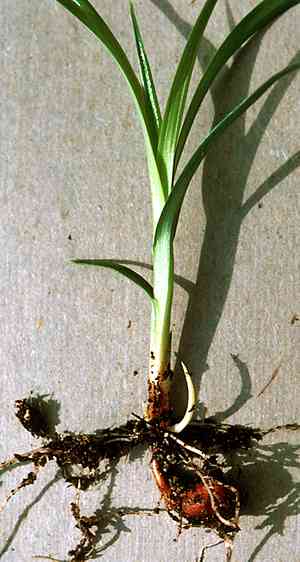
Yellow nutsedge (Cyperus esculentus)
Also known as: Earthalmond, Tiger nut
Chufa, also known as yellow nutsedge (Cyperus esculentus), is a perennial plant widespread in the eastern hemisphere. It's frequently grown for its edible tubers, known as tiger nuts. These tubers can be ground and mixed with water to produce a milky drink called horchata.
In This Article
Attributes of Yellow nutsedge
Lifespan
Perennial
Plant Type
Herb
Plant Height
90 cm
Spread
5 cm to 13 cm
Leaf Color
Green Yellow Gold
Flower Size
0.7 mm to 2 mm
Flower Color
Yellow Brown
Images of Yellow nutsedge
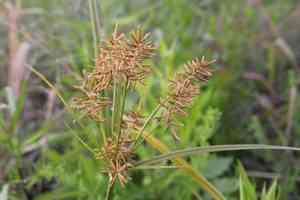
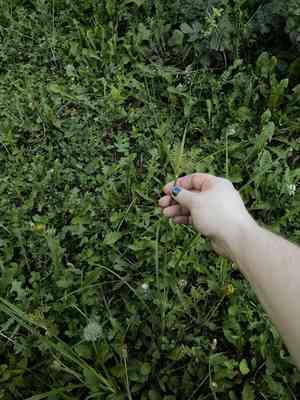
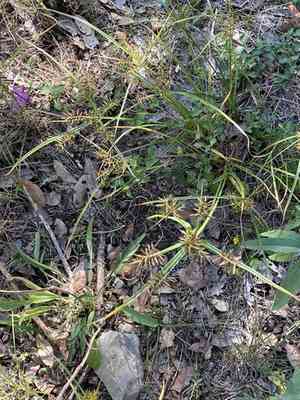
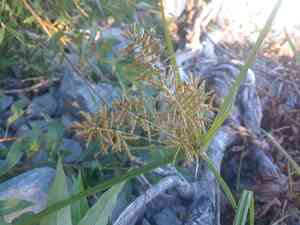
Quickly Identify Yellow nutsedge
1
Vibrant glossy leaves in a v-shaped form, up to 1.5 feet (45 cm) long.
2
Reddish-purple to reddish-brown flower spikelets in umbel-like clusters.
3
Triangular stem with unique yellow, antenna-like seedpods, 1-2 feet (30-60 cm) tall.
4
Diminutive oblong dry fruit, single-seeded, brown to golden in color.
5
Perennial plant spreading through rhizomes and tubers, adapted to wet soils and sunny conditions.
Scientific Classification of Yellow nutsedge
Phylum
Vascular plants
Class
Monocotyledons
Order
Poales
Family
Sedge
Genus
Nutgrasses
Species
Yellow nutsedge
Planting and Growing of Yellow nutsedge
Care Difficulty
Hard
Watering Schedule
Every 4 days
Sunlight Requirements
Full sun
Sunshine Duration
4-6 hours
Ideal Temperature
68-77℉
Soil Type
Potting Mix, Peat Mix
Soil pH
6.5-7.5
Fertilizer Type
Balanced
Pruning Season
Spring, Summer
Pruning Area
Branches, Leaves
Pruning Frequency
2 times a year
Repotting Season
Spring
Pot Type
Plastic, Ceramic
 How to Water Yellow nutsedge?
When watering Cyperus esculentus, aim to thoroughly moisten the soil. You should use around 500 milliliters of water, but ensure the soil is absorbing moisture evenly. Avoid water pooling at the surface by allowing gradual seepage, ensuring that the roots can access the water properly without oversaturation.
What are the symptoms of an underwatered Yellow nutsedge?
›
What should I do if my Yellow nutsedge is not getting enough water?
›
What are the symptoms of an overwatered Yellow nutsedge?
›
How to save an overwatered Yellow nutsedge?
›
 What Are the Sunlight Requirements for Yellow nutsedge?
Cyperus esculentus thrives under full sun to partial sun conditions. Ideal light promotes excellent growth, enhances colors, and increases tuber productivity, enabling optimal plant health.
What is the ideal lighting environment for Cyperus esculentus?
›
How can I achieve the ideal lighting conditions?
›
What benefits does ideal lighting offer to Cyperus esculentus?
›
 What Is the Ideal Temperature Range for Yellow nutsedge?
The ideal temperature range for growing Cyperus esculentus is between 68°F and 77°F. This temperature range provides optimal conditions for the plant to thrive, promoting healthy growth and development. Consistent temperatures within this range encourage vigorous root and shoot development.
 What Soil is Best for Yellow nutsedge?
Cyperus esculentus thrives in well-draining soil that prevents waterlogging. Proper drainage ensures the roots remain aerated and free from rot, promoting healthy plant development and an abundant yield. This plant prefers a nutrient-rich medium where it can access essential minerals like nitrogen, phosphorus, and potassium. These nutrients support vigorous growth and enhance the plant's ability to produce robust tubers. While Cyperus esculentus enjoys moisture, it is crucial to maintain moderate levels to avoid root diseases. Consistent, even moisture allows for optimal absorption and promotes steady growth, leading to a more productive harvest.
 How to Fertilize Yellow nutsedge?
When it comes to fertilizing Cyperus esculentus, it's important to ensure you provide a balanced amount. For liquid fertilizers, use a solution diluted to half strength recommended on the fertilizer label. For solid fertilizers, use about 1 tablespoon per square foot of planting area.
 How to Prune Yellow nutsedge?
Begin your pruning by identifying and removing any dead or diseased stems. This prevents the spread of disease and allows the plant to allocate resources to healthier parts. Trim the plant to shape it according to its natural form. This helps in maintaining a pleasing appearance while encouraging better air circulation, reducing the risk of fungal diseases. If the plant becomes too bushy, thin out the interior to improve air flow. This is particularly important in humid climates to prevent mold and other moisture-related issues.
 How to Propagate Yellow nutsedge plant?
1
Use well-draining soil rich in organic matter. Ideally, a mix of compost and sand can improve soil aeration and nutrient content, crucial for seed development.
2
Carefully dig around the plant base to extract tubers. Ensure each tuber has a healthy stalk and plant them in separate pots with fresh soil.
3
After planting, water the soil thoroughly to ensure moisture reaches the seed or tuber level but avoid waterlogging, which can hinder growth.
 How to Repot Yellow nutsedge plant?
1
Cyperus esculentus signals its need for repotting through signs such as roots emerging from drainage holes and stunted growth. Ideally, repotting should occur in spring or summer, ensuring the plant has ample time to recover and flourish in its new pot.
2
Select a pot that is one size larger than the current pot, with ample drainage holes. A slightly larger pot provides enough space for growth without increasing the risk of waterlogging, promoting balanced root development and preventing root rot.
3
Opt for a loamy, well-draining soil mix that is rich in organic matter. This type of soil helps in retaining the right amount of moisture while allowing excess water to drain away, ensuring healthy root growth and preventing diseases like root rot.


