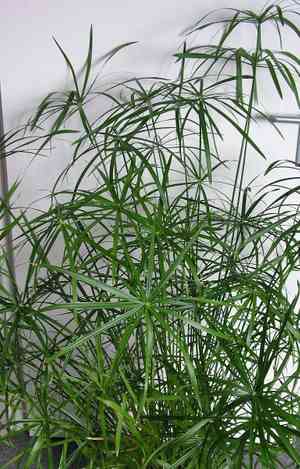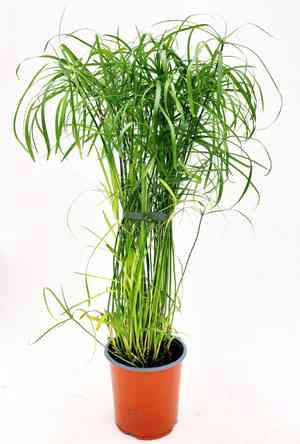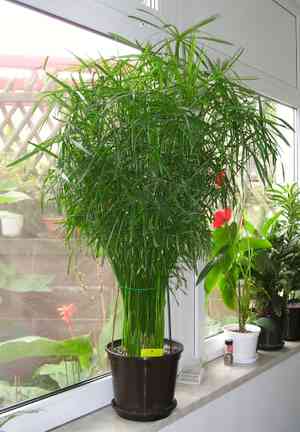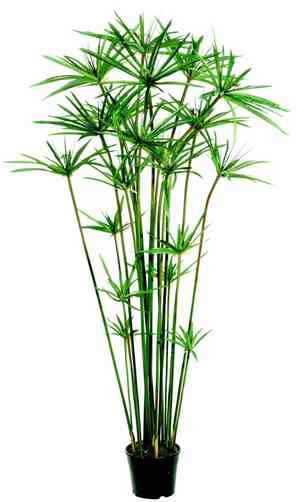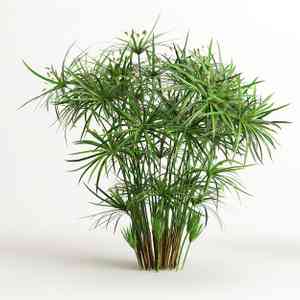
Umbrella Sedge(Cyperus alternifolius)

Umbrella Sedge (Cyperus alternifolius)

Also known as: Umbrella papyrus

The Umbrella Palm (Cyperus alternifolius) is a perennial plant that thrives in full sun, bright indoor light, or partial shade. Known for its unique, umbrella-like leaf arrangements on tall, upright stems, it makes an excellent choice for water gardens or ponds due to its preference for growing in water.

Attributes of Umbrella Sedge

Lifespan
Perennial
Plant Type
Grass
Plant Height
50 cm to 1.5 m
Spread
60 cm to 90 cm
Leaf Color
Green
Flower Size
3 mm to 2 cm
Flower Color
Yellow Green

ForwardPlant - Identify plants with a snap

Identify and diagnose plants, get toxicity alerts, and explore safety guides for all types of fungi.

Try for Free

Images of Umbrella Sedge

Umbrella Sedge(Cyperus alternifolius)

Quickly Identify Umbrella Sedge

1
Grass-like leafy bracts form umbrella-like cluster on stem.
2
Linear bracts resemble leaves in alternate-leaved pattern.
3
Clusters of small greenish-white flowers with brown spikelets.
4
Nut-like small brown fruits less than 0.2 inches in diameter.
5
Erect, non-branching stems reach 2-5 feet in height.

Scientific Classification of Umbrella Sedge

Phylum
Vascular plants
Class
Monocotyledons
Order
Grasses, sedges and allies
Family
Sedge
Genus
Nutgrasses
Species
Umbrella Sedge

Planting and Growing of Umbrella Sedge

Care Difficulty
Easy
Watering Schedule
Every 4 days
Sunlight Requirements
Full sun
Sunshine Duration
6-8 hours
Ideal Temperature
65-75℉
Soil Type
Potting Mix, Peat Mix
Soil pH
6.5-7.5
Fertilizer Type
Balanced
Pruning Season
Spring, Summer
Pruning Area
Branches, Leaves
Pruning Frequency
2 times a year
Repotting Season
Spring
Pot Type
Plastic, Ceramic

water icon How to Water Umbrella Sedge?

For Cyperus alternifolius, ensure a consistent moisture level by watering approximately 500 ml each time. This plant thrives in wet conditions, so the aim is to keep the soil evenly moist without it being waterlogged. Water thoroughly until it trickles through the drainage holes but not so much that the soil becomes overly saturated.
What are the symptoms of an underwatered Umbrella Sedge?
What should I do if my Umbrella Sedge is not getting enough water?
What are the symptoms of an overwatered Umbrella Sedge?
How to save an overwatered Umbrella Sedge?

sunlight icon What Are the Sunlight Requirements for Umbrella Sedge?

Sunlight Requirements: Full sun, Partial sun
Duration of light: 4 to 6 hours
Cyperus alternifolius thrives in partial to full sun, ideally receiving bright, indirect light for at least four hours. Adequate light ensures healthy foliage, vibrant growth, and improved resilience against environmental stressors.
Question 1: What is the best position for Cyperus alternifolius?
Question 2: How does one create the ideal light conditions?
Question 3: What are the benefits of ideal lighting?
More About Sunlight Requirements Techniques

temperature icon What Is the Ideal Temperature Range for Umbrella Sedge?

Ideal Temperature: 65 ~ 75℉
The ideal temperature range for Cyperus alternifolius, commonly known as the umbrella plant, is between 65°F and 75°F. This range provides the optimal conditions for growth and ensures that the plant can thrive and maintain healthy foliage. Maintaining consistent temperatures within this range is crucial, as fluctuations can stress the plant.

soil icon What Soil is Best for Umbrella Sedge?

Soil type: Loam, Sandy loam, Peat soil
Soil PH: 6.5 ~ 7.5
Cyperus alternifolius thrives in well-draining soil that retains moisture but doesn't become waterlogged. This helps prevent root rot and ensures the plant receives adequate hydration, supporting lush growth. A nutrient-rich loamy soil supports optimal growth for Cyperus alternifolius, providing essential minerals that promote vibrant foliage and robust stem development, crucial for its umbrella-like appearance. With a pH tolerance of 6.5 to 7.5, this plant requires a neutral to slightly acidic soil, which aids nutrient absorption and supports healthy plant metabolism, enhancing growth and productivity. More About Soil

fertilize icon How to Fertilize Umbrella Sedge?

Fertilizer type: Balanced
Cyperus alternifolius thrives with a moderate amount of fertilizer. Ensure that each application is balanced and not excessive. A balanced liquid fertilizer diluted at half-strength should suffice for monthly applications. For slow-release fertilizers, apply a measured amount as per the manufacturer's instructions, ideally placing it just below the soil surface.

prune icon How to Prune Umbrella Sedge?

Pruning Time: Spring, Summer, Autumn, Winter
Begin by using a pair of sharp, sterilized pruning shears. First, identify any brown, dried, or dead-looking leaves, which are commonly found at the base of the plant. Trim these back to the main stalk to encourage fresh growth. Next, examine the taller stems and consider cutting them back slightly to promote a denser, fuller appearance. While pruning, aim to follow the natural contour of the plant to retain its aesthetic appeal.

propagate icon How to Propagate Umbrella Sedge plant?

Propagate Time: Spring, Late spring, Early summer
1
Harvest seeds from mature Cyperus alternifolius plants at the end of the growing season. Clean and dry the seeds thoroughly before storage or planting.
2
Select healthy stems from the plant and cut them just below a leaf node. Remove the lower leaves to prepare the stem for rooting.
3
Gently remove the plant from its pot or soil. Separate the root clumps with care, ensuring each division has a healthy root system attached.
More About Propagating Techniques

repot icon How to Repot Umbrella Sedge plant?

Repotting frequency: Every 1-2 years
1
Cyperus alternifolius should be repotted when you see the roots begin to circle around the base of the pot or start poking out of the drainage holes. This usually indicates that the plant has outgrown its current container and needs more space to thrive. Other signs include slower growth and reduced vigor, which suggest the plant could benefit from fresh soil and room to expand.
2
Select a pot that is one size larger than the current one, with adequate drainage holes to prevent waterlogging. The material can vary from clay to plastic, but make sure it's sturdy enough to support the tall growth of the plant. Proper pot size is crucial as it provides adequate room for root expansion, promoting healthier growth.
3
Opt for a light, well-draining mix that retains some moisture, as Cyperus alternifolius prefers a slightly damp environment. A mix of peat, sand, and loam can work well. The right soil prevents root rot while maintaining enough moisture, which is essential for the health of this water-loving plant.

ForwardPlant - Identify plants with a snap

Find the best spots for them to optimize their health, simply using your phone.

Try for Free

Toxicity of Umbrella Sedge

Is Umbrella Sedge toxic to cat?

Umbrella Sedge represents a minor toxicity concern for cats. When consumed in substantial quantities, every part of the plant can prove detrimental. Pet owners should remain alert, as cats may show general signs of physical distress or illness, which could escalate into more serious health issues if not promptly addressed. Given that cats are innately curious creatures, they might nibble on Umbrella Sedge out of curiosity, making it essential to closely observe their interactions with the plant. In the unfortunate circumstance that a cat ingests a considerable amount of Umbrella Sedge, an immediate visit to the veterinary clinic is crucial to guarantee timely and appropriate care.

Is Umbrella Sedge toxic to dog?

Umbrella Sedge presents a mild toxicity hazard to dogs. Although the plant is not extremely toxic, consuming it in larger amounts can result in negative health effects for canines. All parts of the plant are considered to possess some degree of toxicity, making any ingestion a potential risk. When dogs ingest umbrella Sedge, they may display symptoms like gastrointestinal distress or other mild reactions. It is important for pet owners to keep a close watch on their dogs and discourage them from chewing on or eating the plant. Should a dog consume umbrella Sedge, it is vital to seek prompt veterinary attention to guarantee adequate treatment and management of any possible poisoning.

Identify toxic plants for your safety

Learn which plants are harmful to you and your pets, and make informed choices for a safer home!

Try for Free
WARNING
The judgment on toxicity and danger is for reference only. We DO NOT GUARANTEE any accuracy of such judgment. Therefore, you SHALL NOT rely on such judgment. It is IMPORTANT TO SEEK PROFESSIONAL ADVICE in advance when necessary.
More About Toxic Techniques