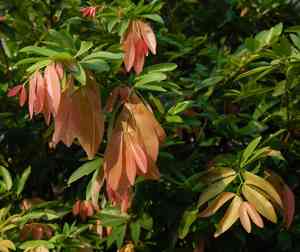
Cynometra (Cynometra) (Cynometra)
Also known as: None
*Ficus* is a genus of tropical forest trees that can be found across tropical regions worldwide.
In This Article
Attributes of Cynometra (Cynometra)
Lifespan
Perennial
Plant Height
Up to 30 meters
Spread
Up to 20 meters
Leaf Color
Green
Flower Size
Small, around 1 cm
Flower Color
White or pale yellow
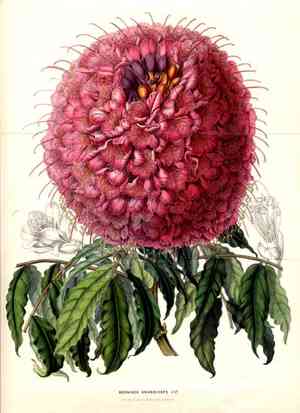
Images of Cynometra (Cynometra)
Quickly Identify Cynometra (Cynometra)
1
Cynometra trees can be identified by their compound leaves with leaflets arranged in pairs. They also produce small, inconspicuous flowers and hard, woody pods.
Scientific Classification of Cynometra (Cynometra)
Phylum
Magnoliophyta
Class
Magnoliopsida
Order
Fabales
Family
Fabaceae
Genus
Cynometra
Planting and Growing of Cynometra (Cynometra)
Care Difficulty
Hard
Watering Schedule
Every 2 days
Sunlight Requirements
Partial sun
Sunshine Duration
6-10 hours
Ideal Temperature
68-77℉
Soil Type
Potting Mix, Peat Mix
Soil pH
5.5-7.5
Fertilizer Type
Balanced
Pruning Season
Spring, Summer
Pruning Area
Branches, Leaves
Pruning Frequency
2 times a year
Repotting Season
Spring
Pot Type
Plastic, Ceramic
 How to Water Cynometra (Cynometra)?
Cynometra prefers a moderate watering approach. Ensure the soil remains moist but not soggy. Watering until the water starts to seep slightly from the drainage holes is a practical strategy. Generally, 250 ml of water per session is ideal.
What are the symptoms of an underwatered Cynometra (Cynometra)?
›
What should I do if my Cynometra (Cynometra) is not getting enough water?
›
What are the symptoms of an overwatered Cynometra (Cynometra)?
›
How to save an overwatered Cynometra (Cynometra)?
›
 What Are the Sunlight Requirements for Cynometra (Cynometra)?
Cynometra thrives best in partial sun, taking advantage of morning sunlight while being shielded during harsher afternoon rays. This light balance encourages optimal photosynthesis and growth, preventing stress on the plant.
Optimal Light Intensity
›
Light Orientation
›
Seasonal Adjustments
›
 What Is the Ideal Temperature Range for Cynometra (Cynometra)?
For the optimal cultivation of Cynometra, maintaining a stable environment between 68°F to 77°F is crucial. This range supports healthy growth and optimal physiological functioning. Any significant deviation from this range could hinder the plant's photosynthesis and nutrient uptake, ultimately affecting its overall health and productivity.
 What Soil is Best for Cynometra (Cynometra)?
Cynometra plants thrive in well-drained soils, which helps prevent root rot by allowing excess water to escape. This soil property ensures that the roots have access to both oxygen and moisture, creating an environment conducive to healthy plant growth. A nutrient-rich substrate is vital for Cynometra, as it supports vigorous growth and intense foliage production. This type of soil contains an abundant supply of essential minerals like nitrogen, phosphorous, and potassium, fostering robust plant development. Soils with moderate moisture retention are ideal for Cynometra because they provide consistent hydration without waterlogging. This balance maintains the delicate moisture equilibrium needed for the plant's optimal physiological functions.
 How to Fertilize Cynometra (Cynometra)?
For Cynometra, it's crucial to balance fertilizer application. Use a balanced liquid fertilizer diluted to half strength, applying approximately 200 ml per plant per session. Avoid over-fertilization, which can lead to salt build-up in the soil.
 How to Prune Cynometra (Cynometra)?
It is crucial not to over-prune Cynometra. Removing too much foliage can stress the plant, reducing its ability to photosynthesize effectively. Always aim to remove no more than one-third of the plant's living foliage at any given time. Pruning should be done after the flowering season to prevent the removal of flower buds. Understanding the flowering patterns of Cynometra will ensure you do not inadvertently cut new flower buds that would bloom in the next season.
 How to Propagate Cynometra (Cynometra) plant?
1
Collect mature seeds from the Cynometra plant. Before planting, soak the seeds in water for 24 hours to enhance germination. Ensure that the seeds are free from any signs of disease or damage for optimal results.
2
Select healthy branches and use pruning shears to obtain 6-8 inch long cuttings. Remove any leaves from the lower half of the cutting, and dip the cut end in a rooting hormone to encourage root development.
3
Grafting is used to propagate desirable traits. Prepare the rootstock and scion by making a clean, diagonal cut on both parts. Bind them securely together using grafting tape, ensuring there is good contact between the cambium layers for successful fusion.
 How to Repot Cynometra (Cynometra) plant?
1
Observing signs such as roots emerging from drainage holes or the plant appearing cramped signals it's time to repot. Additionally, if the growth slows significantly or the existing soil has degraded, these are clear indicators for repotting.
2
Select a pot that is one size larger than the current one. Ensure it has adequate drainage holes to prevent waterlogging. A good choice helps accommodate root growth while providing stability and ensuring proper drainage, which is crucial for Cynometra's health.
3
Opt for a well-draining potting mix enriched with organic matter to provide necessary nutrients. The mix should be able to retain some moisture while allowing excess water to escape. This ensures healthy root development and prevents root rot.
Learn More About Cynometra (Cynometra) Diseases
Anthracnose
Bacterial Leaf Spot
Bacterial Wilt
Crown Gall
Cyst Nematode
Damping-off
Downy Mildew
Drought Stress
Fusarium Wilt
Gray Mold
Leaf Spot
Mosaic
Nutrient Deficiency
Nutrient Toxicity
Powdery Mildew
Root Rot
Root-knot Nematode
Rusts
Sooty Mold
Spider Mites
Temperature Stress
Thrips Damage
White Mold

