
Houndstongue (Cynoglossum officinale)
Also known as: Rats and mice, Houndstooth, Common houndstongue, Hounds tongue, Sheep lice, Wood mat
Cynoglossum officinale, commonly known as houndstongue or Rats and Mice, is part of the borage family. It has a strong, unpleasant odor that is believed to repel rats. This invasive and noxious weed is also toxic to livestock.
Attributes of Houndstongue
Images of Houndstongue
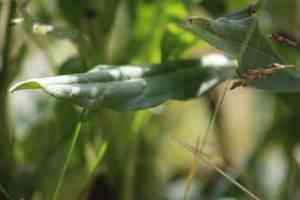
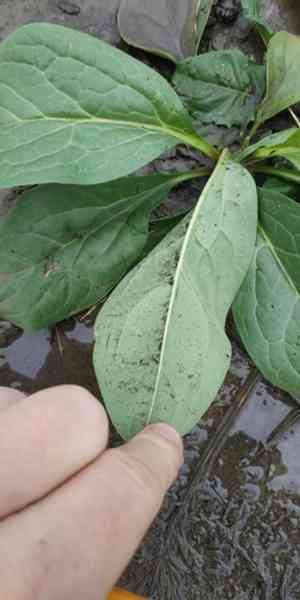
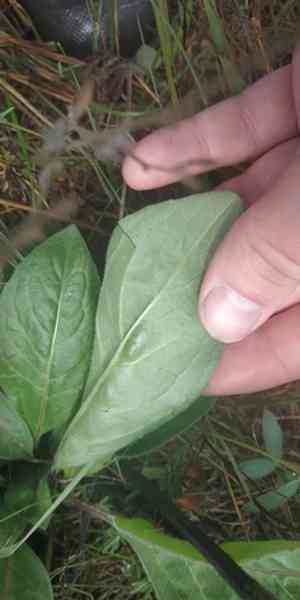
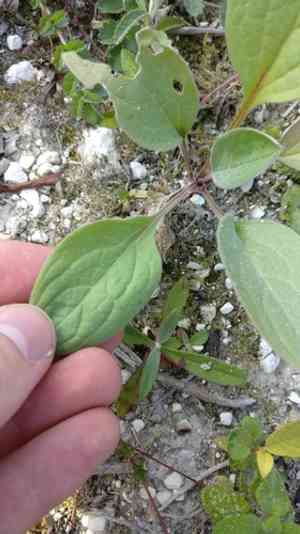
Quickly Identify Houndstongue
Scientific Classification of Houndstongue
Planting and Growing of Houndstongue
 How to Water Houndstongue?
 What Are the Sunlight Requirements for Houndstongue?
 What Is the Ideal Temperature Range for Houndstongue?
 What Soil is Best for Houndstongue?
 How to Fertilize Houndstongue?
 How to Prune Houndstongue?
 How to Propagate Houndstongue plant?
 How to Repot Houndstongue plant?
Toxicity of Houndstongue
Is Houndstongue toxic to humans?
Houndstongue is a plant with a moderate level of toxicity. Its roots, stem, leaves, and flowers are rich in toxic pyrrolizidine alkaloids, which include heliosupine, consolidate, Cynoglossum, and echinate. These compounds can lead to serious health issues when ingested, resulting in side effects like nausea, vomiting, diarrhea, and dehydration. Extended exposure to these alkaloids may lead to liver damage and ultimately liver failure. Additionally, this plant contains oils that can provoke irritation in sensitive skin. The most prevalent side effect is dermatitis, characterized by dry, itchy skin. Continuous contact with this weed may result in a chronic skin condition.
Is Houndstongue toxic to cat?
Houndstongue is indeed poisonous to cats. Felines might accidentally consume various parts of this plant, resulting in potential poisoning due to the harmful nature of all its components. Upon ingestion, affected cats may show symptoms of physical distress, illness, or pain. It is essential for cat guardians to remain observant and ensure that their pets do not come into contact with houndstongue to prevent any adverse situations. Should a cat mistakenly ingest any part of houndstongue, seeking prompt veterinary assistance is crucial to manage the poisoning appropriately.
Is Houndstongue toxic to dog?
Houndstongue is a hazardous plant that poses considerable danger to dogs. Any part of this plant is toxic, meaning that dogs can suffer from poisoning if they ingest it. This usually happens when dogs accidentally consume the plant, often mistaking it for something harmless or out of sheer curiosity. The symptoms resulting from houndstongue poisoning can differ, ranging from gastrointestinal disturbances like vomiting and diarrhea to more severe reactions such as respiratory issues or alterations in heart rate. It is essential for dog owners to stay alert and prevent their pets from entering areas where houndstongue can be found. If there is a suspicion that a dog has consumed houndstongue, seeking immediate veterinary assistance is crucial for achieving the best possible outcome.



