Chinese forget-me-not(Cynoglossum amabile)

Chinese forget-me-not (Cynoglossum amabile)

Also known as: Chinese Forget-Me-Not, Houndstongue, Lovely Hound's Tongue

Cynoglossum amabile, commonly known as Chinese forget-me-not, is a robust annual flowering plant native to Asia. Frequently cultivated in ornamental gardens, it shares a botanical relationship with the familiar forget-me-not.

Attributes of Chinese forget-me-not

Lifespan
Annual, Biennial, Perennial
Plant Type
Herb
Plant Height
50 cm
Spread
25 cm to 30 cm
Leaf Color
Green Gray Silver
Flower Size
2.5 cm
Flower Color
Blue White Pink

PlantJoy - Identify plants with a snap

Identify and diagnose plants, get toxicity alerts, and explore safety guides for all types of fungi.

Try for Free

Images of Chinese forget-me-not

Chinese forget-me-not(Cynoglossum amabile)

Quickly Identify Chinese forget-me-not

1
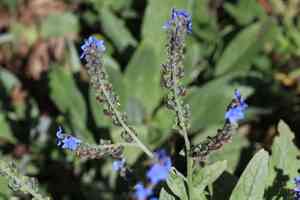
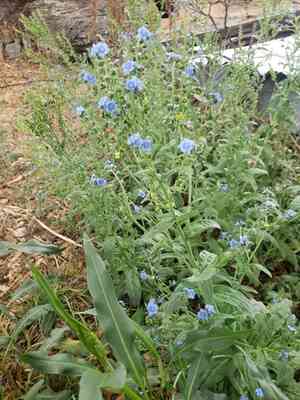
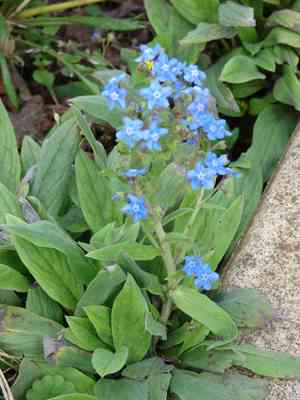
Abundant clusters of small, sky-blue to lavender flowers with white centers.
2
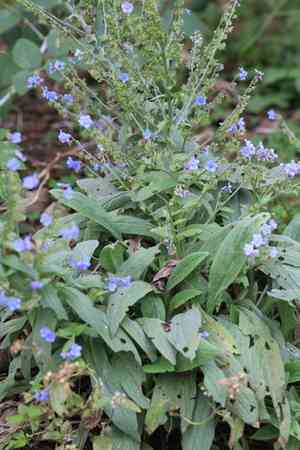
Rough, hairy lance-shaped leaves providing a lush backdrop for delicate blossoms.
3
Flowers with five rounded petals in vivid blue, pink, or white shades.
4
Seedpods with five robust seeds featuring textured, hook-like surfaces for dispersal.
5
Robust, erect stem reaching up to 2 feet (60 cm) with sparse branching and rough texture.

Scientific Classification of Chinese forget-me-not

Phylum
Vascular plants
Class
Dicotyledons
Order
Boraginales
Family
Borage
Genus
Hound's-tongue
Species
Chinese forget-me-not

Planting and Growing of Chinese forget-me-not

Care Difficulty
Easy
Watering Schedule
Every 4 days
Sunlight Requirements
Full sun
Sunshine Duration
6-10 hours
Ideal Temperature
50-75℉
Soil Type
Potting Mix, Peat Mix
Soil pH
4.5-7.5
Fertilizer Type
Balanced
Pruning Season
Spring, Summer
Pruning Area
Branches, Leaves
Pruning Frequency
2 times a year
Repotting Season
Spring
Pot Type
Ceramic, Plastic

water icon How to Water Chinese forget-me-not?

Cynoglossum amabile, or Chinese forget-me-not, prefers moderately damp soil. It doesn't require a large amount of water. Approximately 200 milliliters per watering session should suffice. Remember, the key is not to overwater. Wait till the top inch of soil feels dry to the touch, then water generously until water runs out of the drainage holes.
What are the symptoms of an underwatered Chinese forget-me-not?
What should I do if my Chinese forget-me-not is not getting enough water?
What are the symptoms of an overwatered Chinese forget-me-not?
How to save an overwatered Chinese forget-me-not?

sunlight icon What Are the Sunlight Requirements for Chinese forget-me-not?

Sunlight Requirements: Full sun, Partial sun
Duration of light: 6 to 8 hours daily
The ideal light range for Cynoglossum amabile is full to partial sunlight. This range of sunlight allows the plant to photosynthesize adequately, while also protecting it from sun damage. Adequate sunlight also leads to blooming of uplifting, vibrant blue flowers.
Ideal Sunlight Quantity
Sunlight Quality
Adopting to Different Lighting Conditions
More About Sunlight Requirements Techniques

temperature icon What Is the Ideal Temperature Range for Chinese forget-me-not?

Ideal Temperature: 50 ~ 75℉
The Cynoglossum amabile thrives best in temperatures ranging between 50℉ and 75℉. It requires a temperate climate, neither too hot nor too cold, to ensure best growth.

soil icon What Soil is Best for Chinese forget-me-not?

Soil type: Sandy soil, Loam soil, Clay soil
Soil PH: 4.5 ~ 7.5
Cynoglossum amabile needs a well-drained soil to avoid waterlogged conditions. This ensures that there is sufficient oxygen for the roots to respire and avoid root rot, which could damage the plant's ability to take in water and nutrients. This plant thrives best in slightly acidic to neutral soil conditions. This promotes nutrient availability to the plant. In extremely alkaline soils, certain nutrients become less available, which could restrict the growth of the plant. While this plant is not particularly demanding in terms of soil fertility, it does benefit from moderate levels of fertility incorporating compost or a balanced slow-release fertilizer can help in maintaining good health and promoting robust growth.

fertilize icon How to Fertilize Chinese forget-me-not?

Fertilizer type: Balanced
The amount of fertilizer required for Cynoglossum amabile typically consists of a balance of Nitrogen, Phosphorous, and Potassium in a ratio of 14:14:14. For best results, fertilize every two weeks with liquid fertilizer during the growing season and thrice a year with slow-release granular fertilizer.

prune icon How to Prune Chinese forget-me-not?

Pruning Time: Spring, Summer
Avoid over-pruning as it can stress the plant and hamper its growth. Always prune in cooler weather or early morning to alleviate stress for the plant. Never make your cuts in wet weather as it can spread disease. Clean your pruning tools after each use to prevent spreading pathogens. More About Pruning Techniques

propagate icon How to Propagate Chinese forget-me-not plant?

Propagate Time: Spring,Early spring
1
Collect seeds from a healthy Cynoglossum amabile plant during autumn. The seeds are ready when they are dry and full.
2
In early spring, sow the seeds on the surface of the seed tray filled with a well-draining potting mix. The seeds of Cynoglossum amabile need light to germinate, so do not cover the seeds.
3
Keep the seed tray in a light, warm place. When the seedlings are large enough to handle, pot up individually and grow on in cooler conditions.
More About Propagating Techniques

repot icon How to Repot Chinese forget-me-not plant?

Repotting frequency: Once every 2 years
1
Cynoglossum amabile commonly known as Chinese hounds tongue will show signs when it's time to be repotted. It becomes top heavy or the roots might start to grow out of the drainage holes. Don't wait too long as the confined roots can become stressed, leading to less successful transplant.
2
Pick a pot that's 1-2 inches larger in diameter than the previous one. Look for a durable pot with sufficient drainage like terra-cotta or plastic. It is essential to ensure that the plant will have enough space to expand its roots.
3
This plant prefers well-draining, acidic soil to prevent water logging. A mix of equal parts peat moss, loam and sand is typically a good choice. The soil's acidity enhances the plant's nutrient intake.

PlantJoy - Identify plants with a snap

Find the best spots for them to optimize their health, simply using your phone.

Try for Free

Toxicity of Chinese forget-me-not

Is Chinese forget-me-not toxic to humans?

Every component of the Chinese forget-me-not is filled with toxins classified as pyrrolizidine alkaloids, which can pose serious health risks, potentially leading to severe illness or even death, particularly in small children. In addition to the risk of inducing liver cancer in individuals who consume it, this plant triggers a range of progressively worsening symptoms that vary based on the quantity ingested and the size and sensitivity of the affected person. Initial symptoms include nausea, abdominal discomfort, vomiting, diarrhea, and reduced appetite, which can escalate to liver and spleen swelling, jaundice, a distended abdomen, and ultimately life-threatening damage to the liver, spleen, and possibly the heart. It is crucial to keep Hound's tongue out of reach of children and monitor anyone else who may unintentionally harm themselves.

Is Chinese forget-me-not toxic to cat?

The Chinese forget-me-not contains toxic properties harmful to cats. If a cat inadvertently ingests any part of the Chinese forget-me-not, especially the leaves, it may experience negative health consequences. Pet owners need to be vigilant for any signs of distress, illness, or discomfort in their cat, as these may signify possible poisoning. Should ingestion be suspected, it is crucial to immediately seek attention from a veterinary clinic to safeguard the health of the impacted cat.

Is Chinese forget-me-not toxic to dog?

The Chinese forget-me-not is regarded as toxic to dogs. Canines might unintentionally consume various parts of the plant, primarily the leaves, which are recognized to be harmful. If a dog ingests any component of the Chinese forget-me-not, it could display symptoms including gastrointestinal distress, vomiting, diarrhea, or more severe reactions based on the quantity consumed. It is vital for dog owners to keep a close watch on their pets and restrict access to Chinese forget-me-not. Should poisoning be suspected, prompt veterinary intervention is crucial to achieve the best possible outcome for the affected animal.

Identify toxic plants for your safety

Learn which plants are harmful to you and your pets, and make informed choices for a safer home!

Try for Free
WARNING
The judgment on toxicity and danger is for reference only. We DO NOT GUARANTEE any accuracy of such judgment. Therefore, you SHALL NOT rely on such judgment. It is IMPORTANT TO SEEK PROFESSIONAL ADVICE in advance when necessary.
More About Toxic Techniques