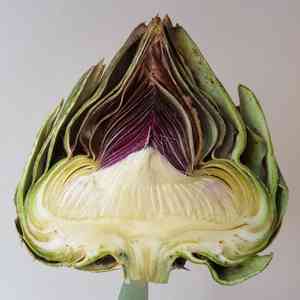
Globe artichoke (Cynara scolymus)
Also known as: French artichoke
The artichoke (Cynara scolymus) is a well-loved vegetable that has a long history of cultivation in the Mediterranean. Harvested before its flowers fully bloom, the artichoke's edible flower buds are known for their nutritional value. These buds, often cooked and featured in various Italian recipes and teas, would otherwise blossom into striking purple flowers if left to mature.
In This Article
Attributes of Globe artichoke
Lifespan
Perennial
Plant Type
Herb
Plant Height
1.4 m to 2 m
Spread
1 m
Leaf Color
Green Gray Silver
Flower Size
15 cm
Flower Color
Purple Blue
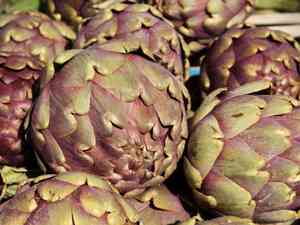
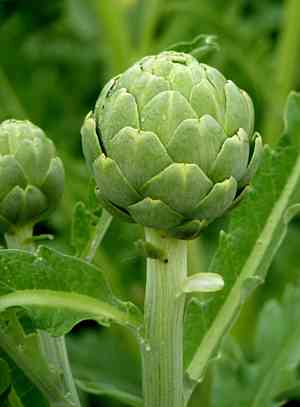
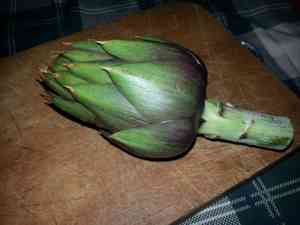
Images of Globe artichoke
Quickly Identify Globe artichoke
1
Artichokes can be identified by their large, deeply lobed, silvery-green leaves and tall flower stems with large, purple, thistle-like flowers.
Scientific Classification of Globe artichoke
Phylum
Vascular plants
Class
Dicotyledons
Order
Asters bellflowers fanflowers and allies
Family
Daisy
Genus
Cynara
Species
Globe artichoke
Planting and Growing of Globe artichoke
Care Difficulty
Moderate
Watering Schedule
Every 10 days
Sunlight Requirements
Full sun
Sunshine Duration
6-12 hours
Ideal Temperature
65-75℉
Soil Type
Potting Mix, Peat Mix
Soil pH
6.5-7.5
Fertilizer Type
Balanced
Pruning Season
Spring, Summer
Pruning Area
Branches, Leaves
Pruning Frequency
2 times a year
Repotting Season
Spring
Pot Type
Plastic, Ceramic
 How to Water Globe artichoke?
Cynara scolymus, commonly known as the artichoke, requires a deep watering regimen. Ensure that the soil is thoroughly drenched and water seeps at least 6 inches below the surface. This encourages deep root growth and sustains the plant during dry spells. The aim is to consistently maintain moisture without waterlogging the roots.
What are the symptoms of an underwatered Globe artichoke?
›
What should I do if my Globe artichoke is not getting enough water?
›
What are the symptoms of an overwatered Globe artichoke?
›
How to save an overwatered Globe artichoke?
›
 What Are the Sunlight Requirements for Globe artichoke?
Full sun to partial sun provides the best growth conditions. Adequate sunlight aids in maximum artichoke yield and healthy foliage, contributing to the longevity and vitality of the plant.
More About Sunlight Requirements Techniques→
How much light is ideal?
›
What solutions can help achieve this?
›
What are the benefits of ideal lighting?
›
 What Is the Ideal Temperature Range for Globe artichoke?
Cynara scolymus, commonly known as artichoke, thrives best in environments where the temperature consistently ranges between 65 to 75 °F. This range provides the optimal conditions for photosynthesis and vital metabolic processes, ensuring healthier growth and better yield.
 What Soil is Best for Globe artichoke?
Artichokes thrive in nutrient-rich soils that provide essential minerals and organic matter. This enhances their growth, leading to healthier plants and more abundant yields. Ensuring the soil is well-drained prevents waterlogging, which is detrimental to artichokes. Proper drainage enables roots to access oxygen and nutrients effectively. The soil should maintain consistent moisture without becoming soggy. This supports steady plant growth and prevents stress that can reduce yield and quality.
 How to Fertilize Globe artichoke?
For Cynara scolymus, a balanced nutrient approach works best. Use about 1 ounce of liquid fertilizer per gallon of water, applying directly to the soil. For slow-release granules, use approximately 2 ounces per plant, scattered evenly over the root zone.
 How to Prune Globe artichoke?
Begin by identifying and removing any old, yellowing, or dead leaves at the base of the plant. This helps improve air circulation and reduces the risk of fungal diseases. After the artichokes have been harvested, trim back the old flower stalks to promote future growth. Cut them to about one inch above the crown of the plant. Shape the plant by trimming back excess growth to encourage a more open structure. This helps sunlight reach all parts of the plant, fostering healthier development.
More About Pruning Techniques→
 How to Propagate Globe artichoke plant?
1
Before sowing the seeds, soak them in water for about 24 hours to improve germination rates. This step ensures that the seeds are adequately hydrated and ready for planting, increasing the likelihood of success.
2
Sow the seeds in a seed tray filled with a nutrient-rich soil mix. Cover them lightly with soil, water gently, and place the tray in a warm, sunny location. Keep the soil consistently moist until germination occurs, which usually takes 14-21 days.
3
For division, choose a mature artichoke plant and carefully dig around it to lift the root ball. Using a sharp knife, divide the root ball into sections, each with at least one shoot and a healthy root system. Replant the sections promptly in well-prepared soil.
 How to Repot Globe artichoke plant?
1
Artichoke plants, scientifically known as Cynara scolymus, need repotting when their roots start emerging from the pot's drainage holes or when they seem root-bound. Another sign is the plant's overall growth slowing down, indicating it's struggling in its cramped space. Spring or early Autumn are ideal, offering moderate temperatures that protect root health during the transition.
2
Choose a pot that is about two inches larger in diameter than the current one to allow for growth without overwhelming the root system. Opt for one with ample drainage holes, as inadequate drainage can lead to root rot. Terracotta pots are a great choice as they allow excess moisture to evaporate, maintaining a balanced root environment.
3
A well-draining, fertile soil mix is critical for Cynara scolymus. Aim for a blend that incorporates organic matter such as compost to provide nutrient-rich support that retains the right amount of moisture without becoming soggy. A suitable mix helps in aeration and nurtures healthy root development ensuring a robust plant growth.
Learn More About Globe artichoke Diseases
Anthracnose
Bacterial Leaf Spot
Bacterial Soft Rot
Bacterial Wilt
Chemical Injury
Crown Gall
Cyst Nematode
Damping-off
Downy Mildew
Drought Stress
Fusarium Wilt
Gray Mold
Leaf Spot
Mosaic
Nutrient Deficiency
Nutrient Toxicity
Powdery Mildew
Root Rot
Root-knot Nematode
Rusts
Sooty Mold
Spider Mites
Temperature Stress
Thrips Damage
White Mold



