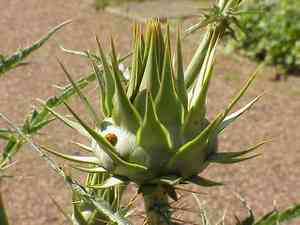
Cardoon (Cynara cardunculus)
Also known as: Globe artichoke, Cardy
Cardoon (Cynara cardunculus) typically reaches heights of 1 to 1.5 meters and spans about 60 to 90 centimeters in width. The plant showcases deeply lobed, silvery-green leaves that have a spiny texture. It produces striking, purple thistle-like blooms. Native to the Mediterranean, cardoon was cultivated in ancient times for its edible stalks and has since spread throughout Europe. It made its way to the United States in the mid-19th century, introduced by Spanish and French settlers.
In This Article
Attributes of Cardoon
Lifespan
Perennial, Annual, Biennial
Plant Type
Herb
Plant Height
80 cm to 1.5 m
Spread
60 cm to 90 cm
Leaf Color
Silver Green Gray
Flower Size
6 cm
Flower Color
Purple Mauve
Images of Cardoon
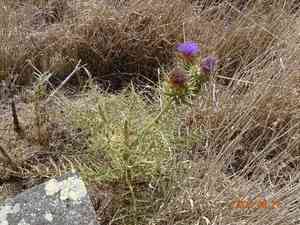
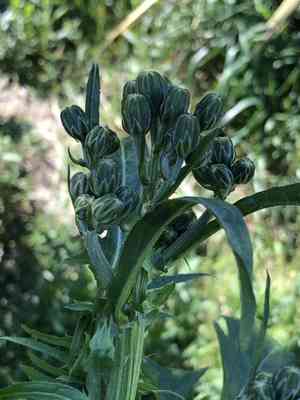
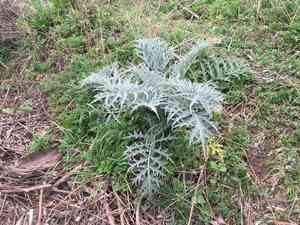
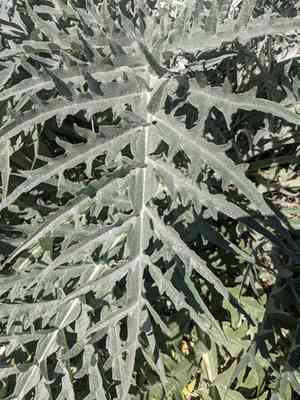
Quickly Identify Cardoon
1
Deeply lobed, grey-green leaves up to 4 feet (120 cm) long with sharp prickles.
2
Tall, thick stems up to 6 feet (180 cm) high, often topped by violet-blue, 7-inch (18 cm) flowers.
3
Distinct fruit with slender, bristly, white to brown cylindrical form, clustered for recognition.
4
Large, spiky bright purple flowers, 3-4 inches (7.5-10 cm) in diameter, on 5-foot (1.5 meters) stalks.
5
Leafy, erect stems with small sharp prickles, reaching up to 4 feet (1.2 meters) in height.
Scientific Classification of Cardoon
Phylum
Vascular plants
Class
Dicotyledons
Order
Asterales
Family
Daisy
Genus
Cynara
Species
Cardoon
Planting and Growing of Cardoon
Care Difficulty
Easy
Watering Schedule
Every 4 days
Sunlight Requirements
Full sun
Sunshine Duration
4-6 hours
Ideal Temperature
65-77℉
Soil Type
Potting Mix, Peat Mix
Soil pH
6.5-7.5
Fertilizer Type
Balanced
Pruning Season
Spring, Summer
Pruning Area
Leaves, Branches
Pruning Frequency
2 times a year
Repotting Season
Spring
Pot Type
Terracotta, Plastic
 How to Water Cardoon?
The Cynara cardunculus, or cardoon, should be watered moderately, ensuring that the soil remains consistently moist but not waterlogged. A good rule is to provide approximately 500 milliliters of water per session. This amount helps maintain an adequate level of moisture without drowning the roots. Ensure you water until you see a hint of moisture at the bottom of the pot to confirm even distribution.
More About Watering Techniques→
What are the symptoms of an underwatered Cardoon?
›
What should I do if my Cardoon is not getting enough water?
›
What are the symptoms of an overwatered Cardoon?
›
How to save an overwatered Cardoon?
›
 What Are the Sunlight Requirements for Cardoon?
Cynara cardunculus thrives best under full sun, gaining energy from about 6 to 8 hours of direct sunlight daily, promoting robust growth and abundant flowering.
More About Sunlight Requirements Techniques→
Optimal Sunlight Exposure
›
Positioning Near Windows
›
Use of Grow Lights
›
 What Is the Ideal Temperature Range for Cardoon?
The ideal temperature range for growing Cynara cardunculus, commonly known as the artichoke, is between 65°F to 77°F. This range allows optimal growth conditions, encouraging sturdy stalk development and healthy leaf production. Within this temperature window, the plant can efficiently photosynthesize while minimizing stress from temperature extremes.
 What Soil is Best for Cardoon?
Cynara cardunculus thrives in well-drained soil that prevents waterlogging. Proper drainage ensures roots get enough oxygen, reducing the risk of root rot and promoting healthy growth. This plant benefits from a nutrient-rich soil. Incorporating organic matter or compost can provide a steady nutrient supply, improving plant vigour and productivity. Soil with moderate moisture retention is ideal, as it maintains the balance between water availability and aeration, preventing dehydration without causing water stress.
More About Soil→
 How to Fertilize Cardoon?
The Cynara cardunculus plants benefit from a balanced fertilizer that provides essential nutrients in moderation. Typically, around 200-300 grams of balanced granular fertilizer should be used per plant per application. It's crucial not to exceed this amount to prevent nutrient burn.
 How to Prune Cardoon?
Begin by identifying dead or damaged leaves and stems. Using sharp pruning shears, cut these back to the base to promote healthy new growth. Next, trim any overgrown stems to maintain the desired shape and size of the plant. During spring, focus more on removing large outer leaves to improve airflow and sunlight penetration.
More About Pruning Techniques→
 How to Propagate Cardoon plant?
1
Start by filling a tray with potting soil. Sow the Cynara cardunculus seeds about a quarter of an inch deep. Cover them lightly with soil and water gently. Place the tray in a location with ample sunlight and maintain soil moisture. Seeds typically germinate within two to three weeks.
2
Division is another effective propagation method. Carefully dig up the parent plant in early spring or late spring. Use a clean, sharp knife or spade to divide the root clump into smaller sections, ensuring each has roots and shoots. Replant the divisions at their original depth and water thoroughly.
3
Once seedlings or divisions have established roots and reached a suitable size, transplant them to their permanent location. Ensure the planting spot has well-drained soil and receives full sunlight. Space the plants adequately to allow for growth, and water them after transplanting to settle the soil around the roots.
 How to Repot Cardoon plant?
1
Cynara cardunculus signals its need for repotting when you observe cramped root growth, slowed development, or reduced flower production. These indicators often become apparent in the warmer months when the plant is actively growing. Timing your repotting process for spring or early summer can optimize the plant's adaptation to its new environment, supporting a vigorous growth cycle.
2
The ideal pot for Cynara cardunculus should provide sufficient space for root expansion, promoting healthy development. Select a container that is 1-2 inches larger in diameter than the current one. Clay pots are recommended due to their porosity, which enhances soil aeration and drainage, crucial for preventing root rot. The pot's stability also supports the plant's structure as it grows taller, reducing the risk of tipping over.
3
Opt for a well-draining compost mix to suit the drainage needs of Cynara cardunculus. This plant's roots are susceptible to rot if left in waterlogged conditions, so a mix including elements like peat moss, perlite, or sand can help maintain optimal moisture levels. Such a mixture balances nutrient supply with essential drainage, fostering a thriving plant environment.
Learn More About Cardoon Diseases
Anthracnose
Bacterial Leaf Spot
Bacterial Soft Rot
Bacterial Wilt
Chemical Injury
Damping-off
Downy Mildew
Drought Stress
Fusarium Wilt
Gray Mold
Leaf Spot
Mosaic
Nutrient Deficiency
Nutrient Toxicity
Powdery Mildew
Root Rot
Root-knot Nematode
Rusts
Sooty Mold
Spider Mites
Temperature Stress
Thrips Damage
White Mold



