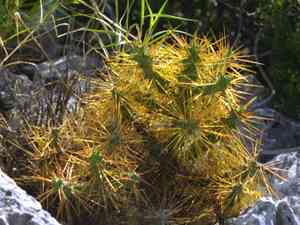
Chollas (Cylindropuntia) (Cylindropuntia)
Also known as: Cholla cactus
Chollas, a type of branching cactus with barbed spines native to the Americas and West Indies, are often used in various applications after being harvested, shaved, and dried. Primarily, the resulting cholla wood is valued for its water and rot resistance, making it ideal for use in terrariums and pet habitats. Additionally, cholla wood is popular for decorative purposes, crafting, and enhancing cactus gardens.
In This Article
Attributes of Chollas (Cylindropuntia)
Lifespan
Perennial
Plant Height
50 cm
Spread
50 cm
Leaf Color
Leaves are often small, rudimentary, and typically not visible as they fall off early.
Flower Size
Flowers usually range from 2 to 4 centimeters in diameter.
Flower Color
Flower colors vary by species, including shades of yellow, red, green, and pink.
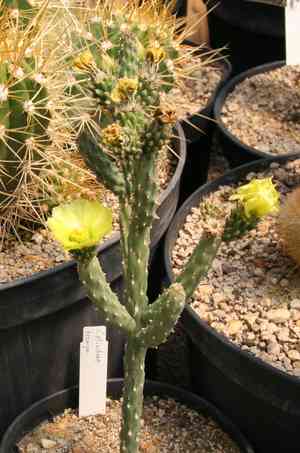
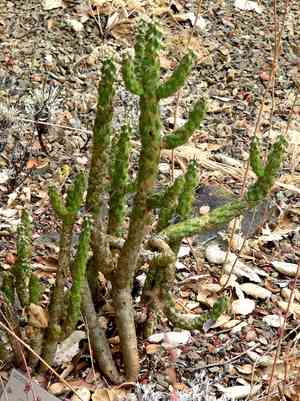
Images of Chollas (Cylindropuntia)
Quickly Identify Chollas (Cylindropuntia)
1
To identify Cylindropuntia, look for its cylindrical, jointed stems that have spines and can easily detach when touched. The spines often have a papery sheath and the flowers range from yellow to green, depending on the species.
Scientific Classification of Chollas (Cylindropuntia)
Phylum
Tracheophyta
Class
Magnoliopsida
Order
Caryophyllales
Family
Cactaceae
Genus
Cylindropuntia
Planting and Growing of Chollas (Cylindropuntia)
Care Difficulty
Easy
Watering Schedule
Every day
Sunlight Requirements
Full sun
Sunshine Duration
6-10 hours
Ideal Temperature
70-85℉
Soil Type
Potting Mix, Peat Mix
Soil pH
6.5-7.5
Fertilizer Type
Balanced
Pruning Season
Spring, Summer
Pruning Area
Branches, Leaves
Pruning Frequency
2 times a year
Repotting Season
Spring
Pot Type
Plastic, Ceramic
 How to Water Chollas (Cylindropuntia)?
For Cylindropuntia, water just enough to moisten the soil without leaving it soggy. Typically, 250 ml per watering session should suffice to keep the plant healthy and prevent root rot.
What are the symptoms of an underwatered Chollas (Cylindropuntia)?
›
What should I do if my Chollas (Cylindropuntia) is not getting enough water?
›
What are the symptoms of an overwatered Chollas (Cylindropuntia)?
›
How to save an overwatered Chollas (Cylindropuntia)?
›
 What Are the Sunlight Requirements for Chollas (Cylindropuntia)?
Cylindropuntia's ideal light is a mix of full and partial sun, typically receiving 5-7 hours of daily direct exposure. This light promotes vibrant hues, optimized photosynthesis, and improved growth, enhancing the plant's decorative aspects and ensuring long-term health and robustness.
How much sunlight does Cylindropuntia need?
›
Is Cylindropuntia suitable for indoor growth?
›
What happens if Cylindropuntia receives ideal lighting?
›
 What Is the Ideal Temperature Range for Chollas (Cylindropuntia)?
Cylindropuntia thrives best in warm climates with temperatures typically ranging from 70 to 85 degrees Fahrenheit. These conditions encourage optimal growth and flowering. Maintaining this consistent temperature ensures the plant receives the energy and environmental cues necessary for vital physiological processes.
 What Soil is Best for Chollas (Cylindropuntia)?
Cylindropuntia prefers sandy or sandy loam soils that provide excellent drainage. Proper drainage prevents root rot and helps the plant thrive in arid environments. Though they thrive in poor soils, a periodic boost with organic matter can promote healthier growth and proliferation, enhancing the plant's resilience against diseases. A low water-retention capacity in soil minimizes the risk of waterlogging. This condition is crucial for the natural habitat mimicry of Cylindropuntia.
 How to Fertilize Chollas (Cylindropuntia)?
When fertilizing Cylindropuntia, use a balanced cactus formula at a quarter-strength concentration. Avoid over-fertilizing: small quantities are safer for these desert natives. A light feeding during the active growing season helps maintain vigorous growth without causing stress.
 How to Prune Chollas (Cylindropuntia)?
Begin by identifying the branches that need to be removed. Focus on any that are dead, diseased, or crossing other branches. Removing these parts will open up the plant and allow better air circulation. Make clean, angled cuts close to the main stem. This technique helps water run off the cut area, reducing the chance of rot. Be careful to not cut into the main stem, as this can damage the plant's structure.
 How to Propagate Chollas (Cylindropuntia) plant?
1
Choose a healthy segment of the Cylindropuntia. Look for a piece that is at least 6 inches long, without any signs of rot or disease, to ensure a successful propagation.
2
Allow the cutting to callous by leaving it in a dry place for several days before planting. This reduces moisture loss and promotes faster root development.
3
Plant the cutting in a pot filled with cactus mix. Position it upright and firm the soil around it to ensure stability. Water sparingly to encourage root growth.
 How to Repot Chollas (Cylindropuntia) plant?
1
Cylindropuntia should be repotted when you see roots coming out of the bottom of the pot or the soil becomes hard and compact. Typically, this is a good indicator that the plant has outgrown its current home and needs more space for healthy growth.
2
Select a pot that is slightly larger than the current one and has drainage holes. This new space allows for root expansion, which is essential for nutrient uptake and stability, and the drainage holes prevent waterlogging, promoting a healthier root environment.
3
Opt for a well-draining cactus mix that contains sand, perlite, and pumice. This combination ensures that excess water drains quickly, preventing root rot and promoting the aeration needed for thriving cactus roots.
Toxicity
Ingestion, Skin contact
WARNING
The judgment on toxicity and danger is for reference only. We DO NOT GUARANTEE any accuracy of such judgment. Therefore, you SHALL NOT rely on such judgment. It is IMPORTANT TO SEEK PROFESSIONAL ADVICE in advance when necessary.

