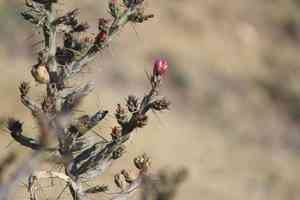
Candle cholla (Cylindropuntia kleiniae)
Also known as: Slimfoot Cholla, Branching Pencil Cholla
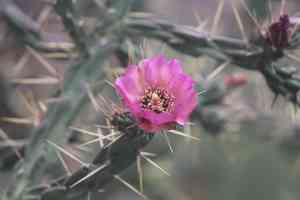
Candle cholla (Cylindropuntia kleiniae) thrives in desert environments. Its striking pink flowers usually appear from late spring through early summer. Due to its close resemblance to other cacti in its family, some botanists think further study is necessary to accurately classify and distinguish the species.
In This Article
Attributes of Candle cholla
Lifespan
Perennial
Plant Type
Shrub
Plant Height
2 m
Spread
Up to 4 feet
Leaf Color
Green
Flower Size
1 inch
Flower Color
Yellow Pink Green Purple Red
Images of Candle cholla
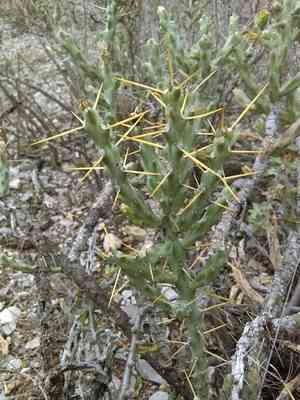
Quickly Identify Candle cholla
1
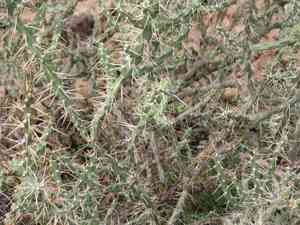
Look for thin, cylindrical stems that are covered in small, firm spines. The stems are a greyish-green color and the plant often forms a bushy appearance.
Scientific Classification of Candle cholla
Phylum
Vascular plants
Class
Dicotyledons
Order
Caryophyllales
Family
Cactuses
Genus
Chollas
Species
Candle cholla
Planting and Growing of Candle cholla
Care Difficulty
Easy
Watering Schedule
Every 2 days
Sunlight Requirements
Full sun
Sunshine Duration
4-8 hours
Ideal Temperature
60-80℉
Soil Type
Potting Mix, Peat Mix
Soil pH
6.5-7.5
Fertilizer Type
Balanced
Pruning Season
Spring, Summer
Pruning Area
Branches, Leaves
Pruning Frequency
2 times a year
Repotting Season
Spring
Pot Type
Plastic, Ceramic
 How to Water Candle cholla?
Cylindropuntia kleiniae requires moderate watering, ensuring the soil dries out between sessions. Each session ideally involves about 150ml of water to reach the roots without oversaturating the soil.
What are the symptoms of an underwatered Candle cholla?
›
What should I do if my Candle cholla is not getting enough water?
›
What are the symptoms of an overwatered Candle cholla?
›
How to save an overwatered Candle cholla?
›
 What Are the Sunlight Requirements for Candle cholla?
Cylindropuntia kleiniae prefers full sun to partial sun, thriving best in conditions that mimic its natural desert environment. Optimal sun exposure bolsters robust growth, enhances its natural colors, and contributes to a healthier plant overall.
More About Sunlight Requirements Techniques→
What is the ideal amount of sunlight for Cylindropuntia kleiniae?
›
How can you ensure Cylindropuntia kleiniae gets the right amount of sun?
›
What are the benefits of providing Cylindropuntia kleiniae with ideal sunlight?
›
 What Is the Ideal Temperature Range for Candle cholla?
For optimal growth, Cylindropuntia kleiniae prefers temperatures between 60°F to 80°F. This range allows for sufficient energy for photosynthesis while preventing stress from excessive heat.
 What Soil is Best for Candle cholla?
For Cylindropuntia kleiniae, it's crucial to have a well-draining soil that prevents water retention. This plant is adapted to arid environments and excess moisture can lead to root rot. Incorporating sand into the soil mix can help achieve this. While Cylindropuntia kleiniae does not require overly fertile soil, a substrate that provides a moderate level of nutrients can promote healthy growth. Using a loam soil enriched with organic matter can ensure the plant receives the essentials it needs. Cylindropuntia kleiniae thrives in calcareous soil, which provides a natural source of calcium. This mineral plays a critical role in the structural development and health of the plant, aiding in overall robustness and resiliency.
 How to Fertilize Candle cholla?
For Cylindropuntia kleiniae, use a balanced cactus fertilizer. When applying a liquid fertilizer, use a diluted mix at half the recommended strength per the fertilizer package. This ensures you provide enough nutrients without overwhelming the plant.
 How to Prune Candle cholla?
Before you begin pruning, gather all necessary equipment, including thick gloves, long sleeves, pruning shears, and disinfectant. These tools help prevent injury and disease spread. Start by identifying damaged or diseased segments. Make clean cuts near the base using sharp shears. Remove crossing branches to allow better air circulation and light penetration.
More About Pruning Techniques→
 How to Propagate Candle cholla plant?
1
Choose healthy, mature segments of the plant. Cut sections that are at least a few inches long. Allow the cut ends to dry and callous over a few days before planting to prevent rotting.
2
Use a well-draining cactus mix or a combination of sand and soil to ensure proper drainage. This will prevent water from accumulating around the roots, which can lead to rot.
3
Insert the calloused end of the cutting into the soil mix, burying it about an inch deep. Ensure the cutting is upright and stable in the soil to promote vertical growth.
 How to Repot Candle cholla plant?
1
Cylindropuntia kleiniae shows signs like outgrowing its current pot, roots poking through drainage holes, or soil that dries out too quickly. You might also notice a decline in plant health, indicating it's time for a fresh start with repotting.
2
Selecting a pot that is slightly larger than the current one is ideal for Cylindropuntia kleiniae. Ensure it has ample drainage holes to prevent root rot, and opt for terracotta pots for additional breathability, enhancing root health.
3
Choose a well-draining cactus mix to prevent water retention. This soil type mimics the native, arid conditions of Cylindropuntia kleiniae, reducing the risk of root rot and ensuring nutrient-rich, efficient drainage for optimal growth.



