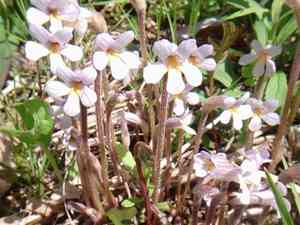
Cycnium (Cycnium) (Cycnium)
Also known as: None
Cycnium is a genus of plants in the family Orobanchaceae, consisting mainly of hemiparasitic herbs found in Africa and Asia. These plants typically have delicate, tubular flowers and are known for their unique parasitic nature, often attaching to the roots of other plants to obtain nutrients.
In This Article
Attributes of Cycnium (Cycnium)
Lifespan
Perennial
Plant Height
0.2 - 1 meter
Spread
N/A
Leaf Color
Green
Flower Size
1 - 3 cm
Flower Color
Pink, White, Purple
Images of Cycnium (Cycnium)
Quickly Identify Cycnium (Cycnium)
1
To identify Cycnium, look for herbaceous plants with slender, often glabrous stems. Their leaves are usually simple, alternate, and may have a slightly toothed margin. The flowers are tubular, with five petals that are often pink, white, or purple in color. They tend to attach themselves to the roots of host plants.
Scientific Classification of Cycnium (Cycnium)
Phylum
Tracheophyta
Class
Magnoliopsida
Order
Lamiales
Family
Orobanchaceae
Genus
Cycnium
Planting and Growing of Cycnium (Cycnium)
Care Difficulty
Moderate
Watering Schedule
Every 3 days
Sunlight Requirements
Full sun
Sunshine Duration
6-10 hours
Ideal Temperature
65-75℉
Soil Type
Potting Mix, Peat Mix
Soil pH
6-7.5
Fertilizer Type
Balanced
Pruning Season
Spring, Summer
Pruning Area
Branches, Leaves
Pruning Frequency
2 times a year
Repotting Season
Spring
Pot Type
Plastic, Ceramic
 How to Water Cycnium (Cycnium)?
Cycnium plants, being native to regions with fluctuating moisture levels, require around 150ml of water per session. Watering should ensure the soil is adequately moist but not waterlogged. Aim to maintain the top layer of soil just slightly damp, avoiding excess water that might pool or drip through drainage holes.
What are the symptoms of an underwatered Cycnium (Cycnium)?
›
What should I do if my Cycnium (Cycnium) is not getting enough water?
›
What are the symptoms of an overwatered Cycnium (Cycnium)?
›
How to save an overwatered Cycnium (Cycnium)?
›
 What Are the Sunlight Requirements for Cycnium (Cycnium)?
Cycnium ideally flourishes under full sun to partial sun conditions, enhancing flowering and overall vitality.
What is the ideal light level for Cycnium?
›
How can I achieve the ideal lighting conditions for Cycnium?
›
What are the benefits of providing ideal lighting conditions for Cycnium?
›
 What Is the Ideal Temperature Range for Cycnium (Cycnium)?
The ideal temperature for Cycnium growth is between 65°F and 75°F. This range ensures optimal metabolic functioning, providing the right conditions for photosynthesis and overall growth. Temperatures within this range allow the plant to thrive and reproduce effectively.
 What Soil is Best for Cycnium (Cycnium)?
Cycnium thrives in well-drained soil, which prevents water from pooling around the roots. Proper drainage ensures the roots receive adequate oxygen, crucial for healthy growth. This plant benefits from nutrient-rich soil, which provides essential minerals for growth. A balanced presence of nutrients promotes vibrant foliage and robust blooms. Cycnium prefers soil with a slightly acidic to neutral pH, between 6.0 and 7.5. This pH range allows optimal uptake of nutrients while avoiding toxicity or deficiency problems.
 How to Fertilize Cycnium (Cycnium)?
For Cycnium, a moderate amount of fertilizer works best. When using liquid fertilizers, mix it at half the recommended strength to prevent over-fertilization. A balanced 10-10-10 NPK formula is ideal. For slow-release fertilizers, use about 30 grams per plant annually, spreading it evenly around the root zone.
 How to Prune Cycnium (Cycnium)?
Observe the plant's natural shape and growth habits. Start by removing any dead, damaged, or crossing branches to improve air circulation and light penetration. For Cycnium, ensure you are pruning in Spring, Summer, or Autumn when the plant is actively growing and can recover quickly, allowing it to redirect energy towards new growth.
 How to Propagate Cycnium (Cycnium) plant?
1
Collect seeds from mature Cycnium plants during their fruiting season. It’s important to wait until the seed pods have fully matured but before they have dispersed their seeds naturally. This ensures maximum viability and germination rate.
2
Select healthy Cycnium stems with no signs of disease or pest damage. Ensure the stems are semi-hardwood as these types are more likely to root successfully. Cuttings should be about 3-5 inches long and free from any flower buds.
3
Plant the seeds or cuttings in a well-draining seedling mix, ensuring they are not buried too deep. Maintain consistent moisture without waterlogging. Use a humidity dome to retain moisture, enhancing the rooting environment.
 How to Repot Cycnium (Cycnium) plant?
1
Cycnium should be repotted when its roots become too cramped in the current container, visible through the drainage holes, or when the soil becomes compacted and drains poorly. These signals, usually appearing every 2-3 years, indicate the need for fresh, nutrient-rich soil.
2
Select a pot that is just one size larger than the current one, preferably with drainage holes. This ensures proper water drainage, preventing root rot, and gives the plant enough space to grow without drowning it in too much soil at once.
3
Opt for a sandy, well-draining soil mix that mimics Cycnium's natural habitat conditions. This type of soil prevents waterlogging, promotes healthier root development, and provides the necessary nutrients for vigorous growth.
Learn More About Cycnium (Cycnium) Diseases
Anthracnose
Bacterial Leaf Spot
Bacterial Wilt
Crown Gall
Cyst Nematode
Damping-off
Downy Mildew
Drought Stress
Fusarium Wilt
Gray Mold
Leaf Spot
Mosaic
Nutrient Deficiency
Nutrient Toxicity
Powdery Mildew
Root Rot
Root-knot Nematode
Rusts
Sooty Mold
Spider Mites
Temperature Stress
Thrips Damage
White Mold

