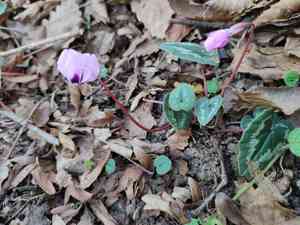
Alpine violet (Cyclamen) (Cyclamen)
Also known as: Sowbread
Alpine violets (Cyclamen purpurascens) are low-growing, flowering plants belonging to the primrose family, valued for their attractive, nodding blooms. These traits have made them popular as ornamental garden and indoor plants. Unfortunately, in parts of their native habitat, populations have declined significantly due to over-collection.
Attributes of Alpine violet (Cyclamen)
Images of Alpine violet (Cyclamen)
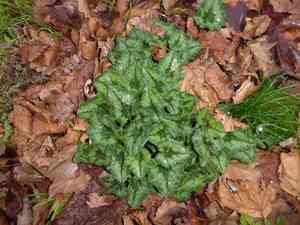
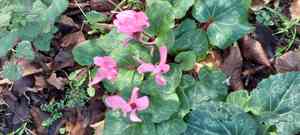
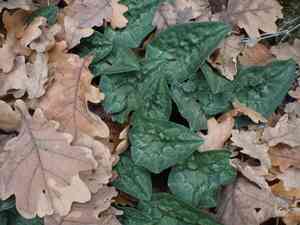
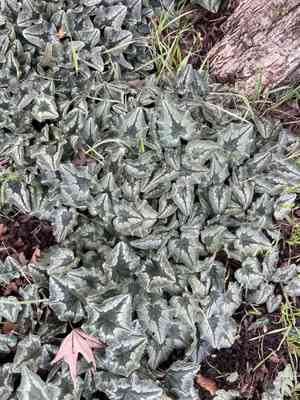
Quickly Identify Alpine violet (Cyclamen)
Scientific Classification of Alpine violet (Cyclamen)
Planting and Growing of Alpine violet (Cyclamen)
 How to Water Alpine violet (Cyclamen)?
 What Are the Sunlight Requirements for Alpine violet (Cyclamen)?
 What Is the Ideal Temperature Range for Alpine violet (Cyclamen)?
 What Soil is Best for Alpine violet (Cyclamen)?
 How to Fertilize Alpine violet (Cyclamen)?
 How to Prune Alpine violet (Cyclamen)?
 How to Propagate Alpine violet (Cyclamen) plant?
 How to Repot Alpine violet (Cyclamen) plant?
Toxicity of Alpine violet (Cyclamen)
Is Alpine violet (Cyclamen) toxic to cat?
Alpine violet plants are known to contain terpenoid saponins, which can be deadly for cats; prompt veterinary care is essential if a cat is spotted nibbling on this plant. These toxic compounds are present in every part of the plant, especially in the tubers. Ingesting even small amounts can lead to poisoning symptoms such as vomiting, diarrhea, excessive salivation, and irregular heart rates, with larger quantities posing a significant risk of fatality. Additionally, contact with the plant's surface can result in skin irritation.
Is Alpine violet (Cyclamen) toxic to dog?
Every part of the alpine violet is toxic and poses significant risks to dogs, with the tubers containing the highest levels of toxins. It is important to be vigilant if your dog is in an area where alpine violet grows, particularly if they have a tendency to dig. Symptoms of toxicity may vary from lethargy to coma, and urgent veterinary assistance is crucial to perform gastric lavage to eliminate the toxin from the dog's system.


