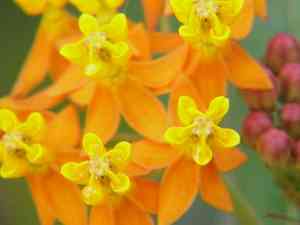
Sacramento waxydogbane (Cycladenia humilis)
Also known as: Sacred Indian Paintbrush
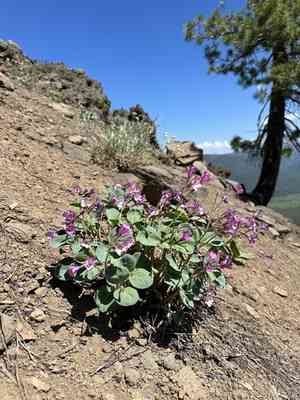
The Sacramento waxydogbane is a resilient, low-lying perennial that thrives in dry, rocky mountainous regions. Characterized by its slender, often bluish-green stems and leaves, this plant produces delicate, violet, bell-shaped flowers in the summer. Its sparse foliage and robust nature highlight its ability to adapt to harsh, rugged terrains.
In This Article
Attributes of Sacramento waxydogbane
Lifespan
Perennial
Plant Type
Herb
Plant Height
10-30 cm
Spread
15-20 cm
Leaf Color
Pale green to bluish-gray
Flower Size
1.5-3 cm
Flower Color
Pink
Images of Sacramento waxydogbane
Quickly Identify Sacramento waxydogbane
1
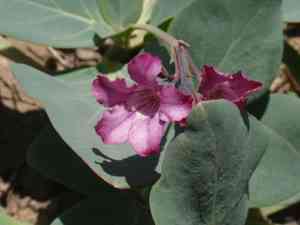
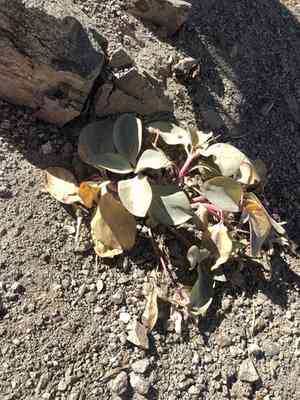
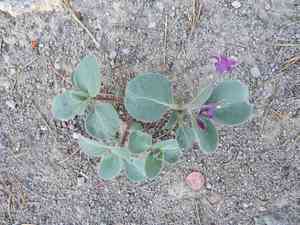
Cycladenia humilis can be identified by its low-growing habit, fleshy leaves that are typically pale green to bluish-gray, and its tubular pink flowers which appear in the spring and early summer.
Scientific Classification of Sacramento waxydogbane
Phylum
Vascular plants
Class
Dicotyledons
Order
Gentianales
Family
Dogbane
Genus
Waxydogbane
Species
Sacramento waxydogbane
Planting and Growing of Sacramento waxydogbane
Care Difficulty
Moderate
Watering Schedule
Every 2 days
Sunlight Requirements
Partial sun
Sunshine Duration
4-8 hours
Ideal Temperature
60-75℉
Soil Type
Potting Mix, Peat Mix
Soil pH
6.5-7.5
Fertilizer Type
Balanced
Pruning Season
Spring, Summer
Pruning Area
Branches, Leaves
Pruning Frequency
2 times a year
Repotting Season
Spring
Pot Type
Plastic, Ceramic
 How to Water Sacramento waxydogbane?
Cycladenia humilis prefers moderate watering. Ensure the soil is consistently moist but not soggy. Water thoroughly until you see a small amount draining from the bottom of the pot. This helps ensure that the root system receives adequate moisture without waterlogging.
What are the symptoms of an underwatered Sacramento waxydogbane?
›
What should I do if my Sacramento waxydogbane is not getting enough water?
›
What are the symptoms of an overwatered Sacramento waxydogbane?
›
How to save an overwatered Sacramento waxydogbane?
›
 What Are the Sunlight Requirements for Sacramento waxydogbane?
Cycladenia humilis benefits from partial sunlight, which enhances its growth by providing adequate but not overwhelming light. This balance supports healthy foliage and steady growth.
Optimal Time of Day
›
Environmental Placement
›
Seasonal Adjustment
›
 What Is the Ideal Temperature Range for Sacramento waxydogbane?
Cycladenia humilis thrives best within a temperature range of 60°F to 75°F. Temperatures in this range support optimal metabolic and physiological processes necessary for growth and development. Beyond physical comfort, maintaining this temperature zone helps in ensuring the plant’s resilience against diseases and pest infestations, making it a critical factor for a healthy plant lifecycle.
 What Soil is Best for Sacramento waxydogbane?
Cycladenia humilis thrives best in well-draining soil that prevents waterlogging. This requirement ensures the plant's roots remain aerated and healthy, reducing the risk of root rot and aiding nutrient absorption. A nutrient-rich substrate supports the growth of Cycladenia humilis by providing essential minerals and nutrients. This contributes to vibrant foliage and robust flowering, enhancing the plant's overall vigor. The inclusion of organic matter in the soil benefits Cycladenia humilis by improving soil structure and moisture retention. Organic matter acts like a natural sponge, helping roots maintain optimal hydration levels.
 How to Fertilize Sacramento waxydogbane?
For Cycladenia humilis, use a balanced liquid fertilizer diluted to half strength. Apply about 1/4 cup of this solution per plant each fertilizer cycle. For slow-release fertilizers, use a small handful per plant, distributed evenly over the root zone.
 How to Prune Sacramento waxydogbane?
Begin by identifying any dead or diseased foliage. Carefully trim back dead leaves and stems to the base of the plant to allow the plant to allocate its energy towards healthy growth. Use small, sharp scissors to trim the plant into your desired shape. Focus on even cuts around the plant's perimeter and avoid cutting into the main stem to maintain a balanced structure. To encourage more blooms, trim back spent flowers. This technique not only tidies the plant's appearance but also directs energy towards forming new buds and blooms.
More About Pruning Techniques→
 How to Propagate Sacramento waxydogbane plant?
1
Prepare a well-draining soil mix suitable for Cycladenia humilis. A mix of sand, peat, and perlite can create an ideal environment for rooting and growth. Ensure the soil is moist but not waterlogged to prevent root rot.
2
Choose cuttings that are 4-6 inches long from healthy and disease-free plants. Cut just below a node to improve the chances of successful rooting. Ensure the cuttings have several pairs of leaves, removing the lower leaves to prevent rot.
3
Place the prepared cuttings into the soil, deep enough to stand upright. Lightly pack the soil around them to provide support. Use rooting hormone on the cut end to expedite root development and increase success rates.
 How to Repot Sacramento waxydogbane plant?
1
Cycladenia humilis should be repotted when you observe roots visibly growing out of drainage holes or when the plant growth becomes stunted. These signs indicate that the plant has outgrown its current pot and is in need of more space. Additionally, if the soil becomes compacted, it might be time for a refresh, which will allow for better nutrient uptake and improved growth.
2
Choose a pot that is only slightly larger than the root ball of the Cycladenia humilis to avoid excess soil moisture retention that can cause root rot. Pots made of breathable materials like unglazed clay or terracotta are ideal as they allow better air circulation and moisture evaporation. Ensure the pot has good drainage holes to facilitate the flow of excess water.
3
Select a well-draining succulent soil mix, as Cycladenia humilis thrives in drier conditions that mimic its natural habitat. Adding components like sand or perlite can enhance the drainage, preventing water from sitting at the roots and reducing the risk of rot. This mix allows for rapid moisture removal, ensuring the roots don't stay waterlogged.
Toxicity
Ingestion
WARNING
The judgment on toxicity and danger is for reference only. We DO NOT GUARANTEE any accuracy of such judgment. Therefore, you SHALL NOT rely on such judgment. It is IMPORTANT TO SEEK PROFESSIONAL ADVICE in advance when necessary.
Learn More About Sacramento waxydogbane Diseases
Anthracnose
Bacterial Leaf Spot
Bacterial Soft Rot
Bacterial Wilt
Chemical Injury
Crown Gall
Cyst Nematode
Damping-off
Downy Mildew
Drought Stress
Fusarium Wilt
Gray Mold
Leaf Spot
Mosaic
Nutrient Deficiency
Nutrient Toxicity
Powdery Mildew
Root Rot
Root-knot Nematode
Rusts
Sooty Mold
Spider Mites
Temperature Stress
Thrips Damage
White Mold



