
Sago palm (Cycas revoluta)
Also known as: Japanese sago palm, Sotetsu
The sago palm, often used for decorative purposes, is highly toxic and can cause severe symptoms such as vomiting, diarrhea, and headaches if ingested. It's crucial to keep this plant out of reach of pets and children, as it can be fatal if consumed, especially the seeds.
When handling a sago palm, always wear gloves to protect your skin from its sharp spines. Place the plant in a location with bright, indirect sunlight, and water it sparingly, allowing the soil to dry between waterings to prevent root rot. Ensure the pot has adequate drainage to avoid waterlogging and maintain the plant's health.
Attributes of Sago palm
Images of Sago palm
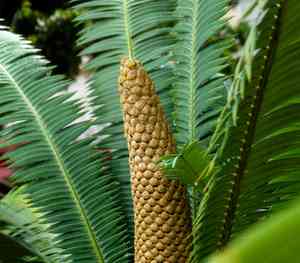
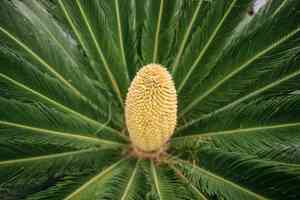
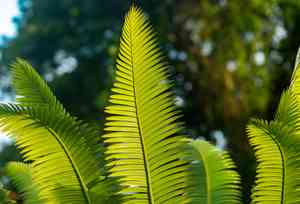
Quickly Identify Sago palm
Scientific Classification of Sago palm
Planting and Growing of Sago palm
 How to Water Sago palm?
 What Are the Sunlight Requirements for Sago palm?
 What Is the Ideal Temperature Range for Sago palm?
 What Soil is Best for Sago palm?
 How to Fertilize Sago palm?
 How to Prune Sago palm?
 How to Propagate Sago palm plant?
 How to Repot Sago palm plant?
Toxicity of Sago palm
Is Sago palm toxic to humans?
The Sago palm is extremely poisonous. It harbors carcinogenic compounds and amino acids that may lead to chronic neurological disorders, and repeated consumption can lead to significant long-term health issues, potentially resulting in death. Within a 12-hour window after ingestion, the Sago palm can trigger vomiting and diarrhea, seizures, digestive tract irritations, and internal organ failures, with large amounts leading to severe liver damage. All parts of this plant are toxic, with the seeds being especially dangerous due to their high concentrations of the harmful substance, cycasin.
Is Sago palm toxic to cat?
The Sago palm (Cycas revoluta) poses a severe threat to the safety of your cat. Every component of this plant, whether it be the trunk, roots, or foliage, is infused with the harmful toxin known as cycasin. Among these parts, the seeds represent the highest risk. Indicators of cycasin poisoning can manifest as a loss of appetite, excessive drooling, vomiting, diarrhea, weakness, unusual bruising, increased thirst, muscle tremors, and even seizures. It is important to note that even minuscule quantities of cycasin can be fatal, so if you suspect your cat has consumed any part of the sago palm, prompt consultation with a veterinarian is essential.
Is Sago palm toxic to dog?
Sago palms can be highly toxic to dogs; therefore, if you believe your dog has consumed any component of this plant, it is crucial to seek veterinary care without delay. Every part of the plant harbors compounds that can be dangerous to dogs, though the seeds are the most frequently ingested. The signs of poisoning encompass vomiting, diarrhea, decreased appetite, lethargy, changes in behavior, tremors, and seizures. Consuming sago palms can lead to liver failure and may result in death.



