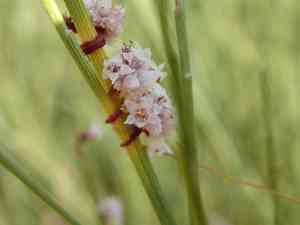
Small-seed alfalfa dodder (Cuscuta planiflora)
Also known as: Mediterranean dodder, Red dodder
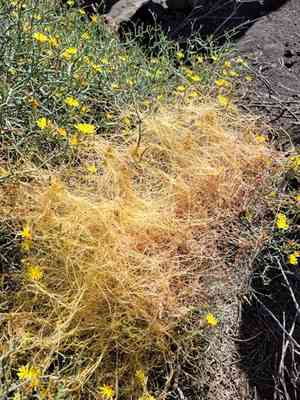
Small-seed alfalfa dodder typically grows in agricultural fields, grasslands, and open spaces. It produces clusters of flowers during the spring and summer. As a parasitic plant, it relies on host plants like alfalfa to obtain water and nutrients, using specialized structures called haustoria to connect to them.
In This Article
Attributes of Small-seed alfalfa dodder
Lifespan
Annual
Plant Type
Herb
Plant Height
Variable, as it relies on the height of host plants
Spread
N/A
Leaf Color
No leaves present
Flower Size
Small, approximately 2-3 mm
Flower Color
White Pink
Images of Small-seed alfalfa dodder
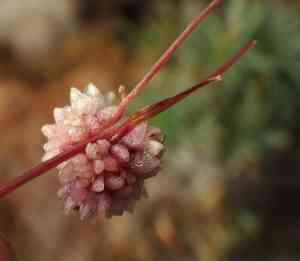
Quickly Identify Small-seed alfalfa dodder
1
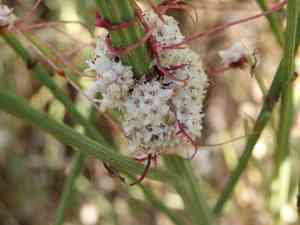
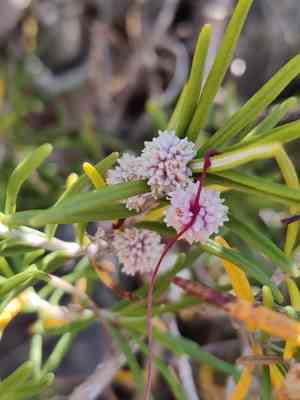
Identify Cuscuta planiflora by its thread-like stems that lack chlorophyll and are dependent on host plants for nutrients. The flowers are small, white to reddish, and clustered together.
Scientific Classification of Small-seed alfalfa dodder
Phylum
Vascular plants
Class
Dicotyledons
Order
Solanales
Family
Morning-glory
Genus
Dodder
Species
Small-seed alfalfa dodder
Planting and Growing of Small-seed alfalfa dodder
Care Difficulty
Hard
Watering Schedule
Every day
Sunlight Requirements
Partial sun
Sunshine Duration
4-8 hours
Ideal Temperature
68-77℉
Soil Type
Potting Mix, Peat Mix
Soil pH
6.5-7.5
Fertilizer Type
Balanced
Pruning Season
Spring, Summer
Pruning Area
Branches, Leaves
Pruning Frequency
2 times a year
Repotting Season
Spring
Pot Type
Plastic, Ceramic
 How to Water Small-seed alfalfa dodder?
Cuscuta planiflora, also known as the small-flowered dodder, typically requires minimal watering. It's essential to moisten the soil just enough to maintain slight dampness. The volume of 200ml per session is sufficient to wet the soil without causing waterlogging, which is crucial given its parasitic nature and propensity to extract moisture from host plants.
What are the symptoms of an underwatered Small-seed alfalfa dodder?
›
What should I do if my Small-seed alfalfa dodder is not getting enough water?
›
What are the symptoms of an overwatered Small-seed alfalfa dodder?
›
How to save an overwatered Small-seed alfalfa dodder?
›
 What Are the Sunlight Requirements for Small-seed alfalfa dodder?
Cuscuta planiflora thrives best in partial sun conditions. Adequate light each day aids consistent photosynthesis, resulting in lush growth and an improved flowering rate.
What type of sunlight does Cuscuta planiflora prefer?
›
How can I ensure my Cuscuta planiflora gets its ideal light?
›
What are the benefits of providing ideal light for Cuscuta planiflora?
›
 What Is the Ideal Temperature Range for Small-seed alfalfa dodder?
Cuscuta planiflora thrives best at temperatures between 68°F and 77°F. This range ensures optimal growth and development by providing the necessary warmth without the stress of extreme heat or cold. Maintaining this temperature allows the plant to efficiently perform photosynthesis and other metabolic activities.
 What Soil is Best for Small-seed alfalfa dodder?
Cuscuta planiflora demands well-draining soil to prevent waterlogging. Proper drainage ensures that the plant's roots receive enough oxygen, reducing the risk of root rot and promoting healthy growth. This plant thrives in nutrient-rich soils where ample organic matter is present. Nutrient availability enhances the plant's overall health and vigor, supporting robust growth and vibrant blooms. While good drainage is crucial, the soil should also retain enough moisture to sustain the plant. Moisture retention helps maintain consistent hydration, essential for photosynthesis and nutrient transport in the plant.
 How to Fertilize Small-seed alfalfa dodder?
For Cuscuta planiflora, fertilization should be approached with care due to its parasitic nature. Typically, nutrient needs are relatively low as it derives sustenance from host plants. When fertilizing, use half-strength liquid fertilizers to avoid overwhelming its nutrient absorption capabilities.
 How to Prune Small-seed alfalfa dodder?
Begin by identifying the most overgrown or entangled sections of the plant. Use clean, sharp pruning shears to cut back the stem to the desired length, ensuring you leave enough of the plant to retain its vitality. Trim the vines that appear too dense to prevent them from suffocating the host plants. Regularly remove any dried or dead stems, ensuring that the plant remains vibrant and free from potential disease.
More About Pruning Techniques→
 How to Propagate Small-seed alfalfa dodder plant?
1
Begin with fresh seeds to ensure high germination rates. Scatter the seeds lightly on the surface of the sterile soil mix in your seed trays. Cover the seeds with a thin layer of soil, as too much can hinder their growth by preventing them from emerging properly.
2
Keep the soil consistently moist but not waterlogged to enhance germination. Use a misting bottle to water the seeds gently or place a humidity dome over the seed tray to retain moisture, which is crucial for the delicate early stages of seedling development.
3
Once seedlings have emerged, ensure they receive ample light, about 12-16 hours daily. If natural sunlight is insufficient, consider using grow lights to prevent seedlings from becoming leggy due to insufficient illumination.
 How to Repot Small-seed alfalfa dodder plant?
1
For Cuscuta planiflora, watch for signs like stunted growth or root-bound conditions, often indicated by roots growing out of the pot's drainage holes. Spring or summer are ideal times, as the plant is actively growing and can recover quickly.
2
Select a pot that's about 2 inches larger in diameter than the previous one, ensuring it has proper drainage holes. This allows ample space for root expansion and prevents waterlogging, which can lead to root rot.
3
Opt for a light, well-draining soil mix tailored for epiphytes. This type of soil prevents water retention, offering good aeration essential for the roots' healthy development and avoiding fungal issues.



