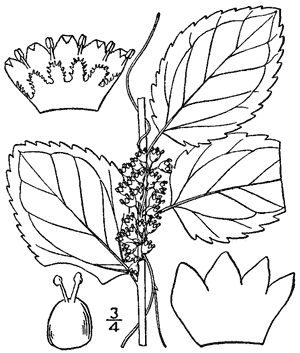
Hazel dodder (Cuscuta coryli)
Also known as: Hazel Dodder
*Grammica coryli*, also known as *Cuscuta coryli* or hazel dodder, is a perennial plant belonging to the Cuscutaceae family and is native to North America.
In This Article
Attributes of Hazel dodder
Lifespan
Perennial
Plant Type
Herb, Vine
Plant Height
Up to 0.3 meters (approximately 1 foot), twining around host plants
Spread
N/A, as it is a twining plant
Leaf Color
N/A, as it lacks leaves
Flower Size
Approximately 2-3 mm
Flower Color
White Yellow Green
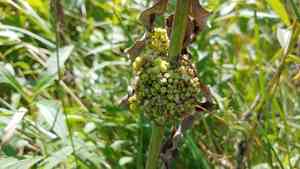
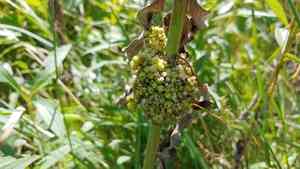
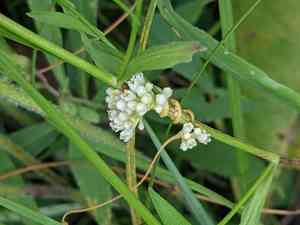
Images of Hazel dodder
Quickly Identify Hazel dodder
1
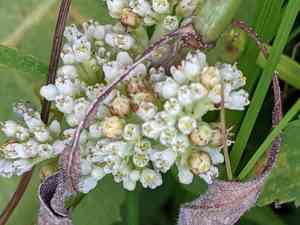
Cuscuta coryli can be identified by its thin, yellow or orange stems that twine around host plants. It lacks leaves and true roots, and produces small, insignificant flowers.
Scientific Classification of Hazel dodder
Phylum
Vascular plants
Class
Dicotyledons
Order
Solanales
Family
Morning-glory
Genus
Dodder
Species
Hazel dodder
Planting and Growing of Hazel dodder
Care Difficulty
Hard
Watering Schedule
Every 2 days
Sunlight Requirements
Partial sun
Sunshine Duration
6-10 hours
Ideal Temperature
60-80℉
Soil Type
Potting Mix, Peat Mix
Soil pH
6.5-7.5
Fertilizer Type
Balanced
Pruning Season
Spring, Summer
Pruning Area
Branches, Leaves
Pruning Frequency
2 times a year
Repotting Season
Spring
Pot Type
Plastic, Ceramic
 How to Water Hazel dodder?
Cuscuta coryli, commonly known as a type of dodder, is a parasitic plant that typically requires minimal watering when cultivated artificially. The goal is to mimic natural conditions where the host plant provides necessary hydration. Watering should be light, about 100 milliliters, to prevent excessive moisture that could damage the plant.
What are the symptoms of an underwatered Hazel dodder?
›
What should I do if my Hazel dodder is not getting enough water?
›
What are the symptoms of an overwatered Hazel dodder?
›
How to save an overwatered Hazel dodder?
›
 What Are the Sunlight Requirements for Hazel dodder?
Cuscuta coryli thrives in partial to full sunlight. Ideal lighting helps the plant photosynthesize efficiently, promoting robust growth, vibrant foliage, and reduced susceptibility to pests.
Question: What is the optimal light for Cuscuta coryli?
›
Question: How to position the plant for ideal light exposure?
›
Question: How to maintain consistent light conditions indoors?
›
 What Is the Ideal Temperature Range for Hazel dodder?
The ideal temperature range for growing Cuscuta coryli is between 60°F and 80°F. This range allows for optimal metabolic functioning and growth, ensuring that the plant can photosynthesize efficiently. Temperatures below or above this range may lead to undesirable physiological stress, affecting growth and vitality.
 What Soil is Best for Hazel dodder?
Cuscuta coryli thrives best in well-drained soil to prevent waterlogging, which can lead to root rot. This type of soil ensures adequate air circulation around the root system, promoting healthier growth. While Cuscuta coryli can grow in various soils, a nutrient-rich medium helps it achieve optimal growth. Rich soil provides essential minerals and nutrients, encouraging robust development and vitality. The plant favors soil that retains some moisture but drains excess water away. Moderate moisture levels ensure the plant has a consistent water supply without the risk of drowning its roots.
 How to Fertilize Hazel dodder?
Cuscuta coryli, commonly known as dodder, prefers minimal fertilization due to its parasitic nature, usually requiring a diluted foliar feed solution once every month or a slow-release granule twice a year to coincide with its growing period. This ensures it does not overly deplete its host plant’s resources.
 How to Prune Hazel dodder?
To prune Cuscuta coryli, first identify the sections where it has overgrown and entangled other plants. Begin by sterilizing your pruning shears to prevent any disease spread. Carefully cut back the stems, ensuring you don't harm the host plant. It's best to start at the tip and work downwards, removing the thickest layers. Aim to create a clear space around the host plant, where Cuscuta can be managed effectively without suffocating the host.
 How to Propagate Hazel dodder plant?
1
Choose healthy and fresh seeds from a reliable source. It is crucial to ensure that the seeds are not expired or damaged to achieve optimal germination rates.
2
Fill the seed trays with a sterile potting mix up to three-quarters full. Lightly press down the soil to create an even surface, which ensures uniform watering and seedling emergence.
3
Spread seeds evenly across the prepared trays, and cover them lightly with a thin layer of potting mix. Ensure the seeds are not buried too deep to allow light to penetrate, which is necessary for germination.
 How to Repot Hazel dodder plant?
1
Cuscuta coryli needs repotting when roots are visibly outgrowing the current pot, or if growth seems stunted. Spring and summer are the best times, as the plant's active growth allows it to recover quickly from the stress of repotting.
2
Select a pot that is one size larger than the current one, with good drainage holes. A terracotta pot is ideal as it allows excess moisture to evaporate, preventing root rot which is crucial for maintaining healthy growth.
3
Opt for a well-draining soil mix, possibly a cactus or succulent mix, to ensure adequate drainage. This type of soil mimics its natural habitat, reducing risk of waterlogging and promoting robust growth.



