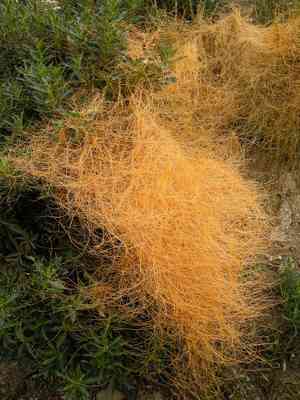
Chaparral dodder (Cuscuta californica)
Also known as: California Dodder
Chaparral dodder (*Cuscuta californica*) is a parasitic vine indigenous to western North America. Often labeled a noxious weed, it poses a threat to agriculture by entangling and damaging crops such as alfalfa and flax. Moreover, chaparral dodder has historical applications in Chinese medicine.
In This Article
Attributes of Chaparral dodder
Lifespan
Perennial
Plant Type
Herb, Vine
Plant Height
Varies, typically up to 1 meter long when twined around host plants
Spread
Not applicable, as it is a vine
Leaf Color
Reduced to scales, not functional
Flower Size
3 mm
Flower Color
White
Images of Chaparral dodder
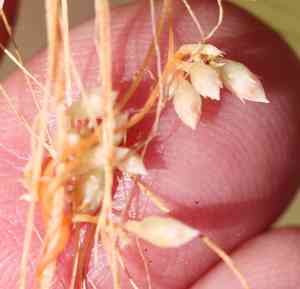
Quickly Identify Chaparral dodder
1
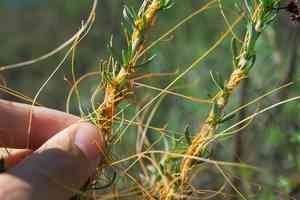
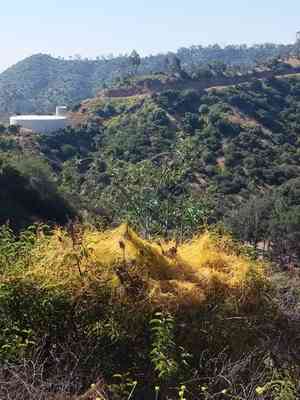
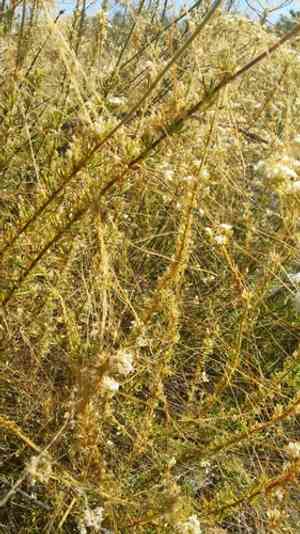
Cuscuta californica can be identified by its thin, yellow-to-orange, twining stems and the absence of chlorophyll. It attaches itself to host plants using haustoria.
Scientific Classification of Chaparral dodder
Phylum
Vascular plants
Class
Dicotyledons
Order
Solanales
Family
Morning-glory
Genus
Dodder
Species
Chaparral dodder
Planting and Growing of Chaparral dodder
Care Difficulty
Hard
Sunlight Requirements
Partial sun
Sunshine Duration
6-10 hours
Ideal Temperature
68-86℉
Soil Type
Potting Mix, Peat Mix
Soil pH
6.5-7.5
Fertilizer Type
Balanced
Pruning Season
Spring, Summer
Pruning Area
Branches, Leaves
Pruning Frequency
2 times a year
Repotting Season
Spring
Pot Type
Plastic, Ceramic
 How to Water Chaparral dodder?
Cuscuta californica, or California dodder, is a parasitic plant that doesn't rely on typical soil-based watering. Instead, it derives most of its water and nutrients from host plants, making direct watering unnecessary. The plant lacks normal roots and directly penetrates host tissue, drawing all it needs from these living reservoirs. Consequently, conventional watering practices do not apply.
What are the symptoms of an underwatered Chaparral dodder?
›
What should I do if my Chaparral dodder is not getting enough water?
›
What are the symptoms of an overwatered Chaparral dodder?
›
How to save an overwatered Chaparral dodder?
›
 What Are the Sunlight Requirements for Chaparral dodder?
Cuscuta californica thrives best under partial to full sunlight, ideally 4-6 hours daily, enhancing its growth, vibrancy, and parasitic capabilities by optimizing photosynthesis conditions.
More About Sunlight Requirements Techniques→
How much light does Cuscuta californica need?
›
How can you provide the ideal lighting?
›
What are the benefits of ideal lighting?
›
 What Is the Ideal Temperature Range for Chaparral dodder?
The ideal temperature range for Cuscuta californica is between 68°F and 86°F. This temperature range supports optimal growth and photosynthesis, allowing the plant to thrive in environments that mimic its natural habitat. Maintaining these conditions is crucial for robust plant health and productivity.
 What Soil is Best for Chaparral dodder?
Cuscuta californica thrives in soils that allow excess water to drain quickly. This prevents root rot and other water-related diseases, ensuring the plant's health and robust growth. Well-drained conditions mimic its natural habitat, allowing it to establish a strong hold. Although Cuscuta is a parasitic plant, having soil with some nutrient content can support the host plants it attaches to. This helps maintain an environment where the host plants are also healthy, providing a steady source of nutrients and attachment points for the Cuscuta. A loose soil structure facilitates easier penetration for Cuscuta's haustoria when attaching to host plants. It allows both Cuscuta and its hosts to grow without restrictions, which is crucial for their mutual existence.
 How to Fertilize Chaparral dodder?
Cuscuta californica, or California dodder, being parasitic, does not require frequent fertilization like other plants. When using liquid fertilizer, a diluted solution ensures it receives the necessary nutrients without excess. Generally, 1/4 of the standard dosage is enough.
 How to Prune Chaparral dodder?
Look for stems that are excessively wrapping around host plants. These should be targeted during pruning to prevent them from choking and damaging the host. Trim the plant back to just above a leaf node. This encourages new growth at the site of the cut, leading to a bushier and healthier plant. Collect and dispose of all cut material to prevent the spread of potential pests or diseases. Composting is not recommended as it may encourage the spread of Cuscuta.
More About Pruning Techniques→
 How to Propagate Chaparral dodder plant?
1
Begin by soaking Cuscuta californica seeds in water for 24 hours to break dormancy. This step is crucial as it softens the seed coat, promoting faster germination.
2
After soaking, sow the seeds in a well-draining seed-starting mix. Ensure they are lightly covered with soil, as they require darkness to germinate.
3
Place the seed tray in a warm location with indirect sunlight. Maintain a consistent temperature of around 70°F (21°C) and keep the soil lightly moist, not waterlogged, to encourage germination.
 How to Repot Chaparral dodder plant?
1
Cuscuta californica, commonly known as dodder, doesn't require frequent repotting. You should consider repotting when growth seems stagnated or if the plant becomes too unwieldy. As dodder is parasitic, it's crucial to ensure its host plant maintains vigor. Look for signs like visible roots on the surface or an especially tangled mass indicating it's time for a new pot.
2
Choose a pot that offers enough space for the host plant to grow, with drainage holes to remove excess water. A larger pot will help both the host plant and dodder thrive without restricting growth. Ensure the pot material is breathable, like terracotta, which allows for better air exchange and mimics dodder's natural environment to some extent.
3
Dodder host plants benefit from soil that is light and drains quickly, preventing waterlogging. A sandy, well-draining soil mix ensures that the host remains healthy, which is beneficial for the dodder that draws nutrients from it. Consider mixing organic matter for additional nutrient support, ensuring the host plant doesn't suffer from depletion.



