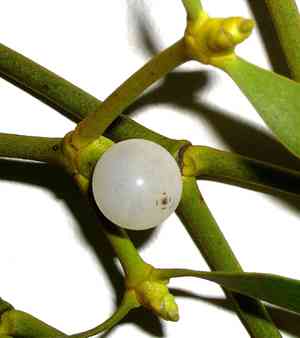
Alfalfa dodder (Cuscuta approximata)
Also known as: Smallseed alfalfa dodder
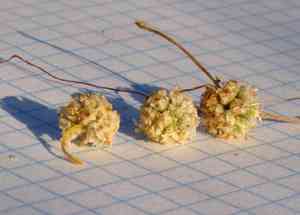
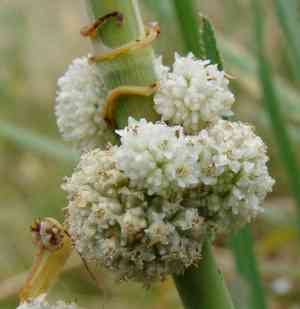
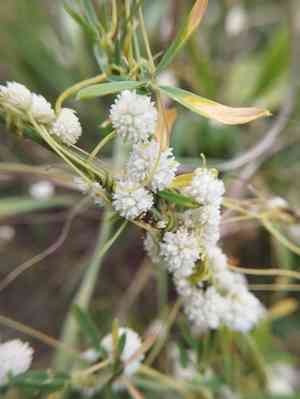
Cuscuta epithymum, sometimes regarded as a subspecies of itself, is known for its parasitic nature. It features clusters of small, yellowish, bell-shaped flowers approximately 3 millimeters in width. The dodder primarily reproduces through seeds, with each plant potentially yielding more than 10,000 seeds. This plant is notorious for infesting crops such as alfalfa, clover, tomatoes, and various other agricultural and native plants.
In This Article
Attributes of Alfalfa dodder
Lifespan
Annual, Perennial
Plant Type
Herb, Vine
Plant Height
Varies, dependent on host plant size, typically up to several feet when sprawling
Spread
Forms a dense mat, can spread widely over host plants
Leaf Color
Yellow or orange stems; true leaves are reduced to small scales
Flower Size
Approximately 2-3 mm
Flower Color
White to pinkish
Images of Alfalfa dodder
Quickly Identify Alfalfa dodder
1
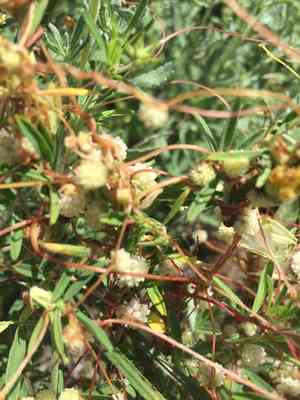
Identify Cuscuta approximata by its thin, yellow or orange stems that form a dense mat over host plants. The plant lacks true leaves and roots, attaching itself to other plants using specialized structures called haustoria.
Scientific Classification of Alfalfa dodder
Phylum
Vascular plants
Class
Dicotyledons
Order
Solanales
Family
Morning-glory
Genus
Dodder
Species
Alfalfa dodder
Planting and Growing of Alfalfa dodder
Care Difficulty
Hard
Watering Schedule
Every 2 days
Sunlight Requirements
Full sun
Sunshine Duration
4-10 hours
Ideal Temperature
68-86℉
Soil Type
Potting Mix, Peat Mix
Soil pH
6.5-7.5
Fertilizer Type
Balanced
Pruning Season
Spring, Summer
Pruning Area
Branches, Leaves
Pruning Frequency
2 times a year
Repotting Season
Spring
Pot Type
Plastic, Ceramic
 How to Water Alfalfa dodder?
Cuscuta approximata, commonly known as 'dodder', typically requires minimal watering due to its parasitic nature. When watering, aim to provide around 50 milliliters at a time. This quantity should only be enough to lightly moisten its host without causing excess water accumulation.
What are the symptoms of an underwatered Alfalfa dodder?
›
What should I do if my Alfalfa dodder is not getting enough water?
›
What are the symptoms of an overwatered Alfalfa dodder?
›
How to save an overwatered Alfalfa dodder?
›
 What Are the Sunlight Requirements for Alfalfa dodder?
Cuscuta approximata prospers in environments offering partial to full sunlight conditions. Ideal light fosters pronounced growth and ensures efficient nutrient extraction from host plants, enhancing inter-plant synergy and ecological diversity.
What is the best lighting condition for Cuscuta approximata?
›
How can you achieve ideal light for this plant?
›
What are the benefits of ideal light conditions for Cuscuta approximata?
›
 What Is the Ideal Temperature Range for Alfalfa dodder?
Cuscuta approximata thrives best in temperatures ranging from 68°F to 86°F, where metabolic processes are optimized for growth and flowering. Maintaining this range ensures healthy vegetative and reproductive phases by providing a stable and stress-free environment.
 What Soil is Best for Alfalfa dodder?
Cuscuta approximata thrives in well-drained soils which allow excess water to escape, preventing root rot and other water-related issues. This is crucial for the plant's root health and overall growth vigor. This plant prefers nutrient-poor soils, reducing the competitive growth of its host plant. It thrives in conditions where it can rely on parasitic relationships rather than nutrient-rich soil. Soil that retains warmth is ideal for Cuscuta approximata, as it supports active growth cycles, especially in regions with temperate climates. Warm soil conditions help maintain energy for metabolic processes.
 How to Fertilize Alfalfa dodder?
Cuscuta approximata, commonly known as dodder, is a parasitic plant that relies on its host for nourishment. It generally doesn't require direct fertilization as it derives nutrients from the host plant. However, when cultivating host plants, ensure they receive balanced nutrition, so dodder can indirectly gain the benefits.
 How to Prune Alfalfa dodder?
Begin by inspecting the Cuscuta approximata for any overly dense or tangled clusters. Using sharp pruning shears, carefully trim back these areas to thin out the vines and prevent them from overshadowing their host. Focus on cutting back the tendrils that are wrapped around the host plant to a manageable level, taking care not to damage the host plant itself. Always sterilize your tools before and after use to avoid spreading diseases.
More About Pruning Techniques→
 How to Propagate Alfalfa dodder plant?
1
Fill the seed tray with fine potting soil, distributing it evenly to create a flat surface. This ensures that each seed can be planted at the same depth for uniform germination.
2
Scatter the Cuscuta approximata seeds lightly over the prepared soil surface, making sure not to overcrowd them. Lightly press the seeds into the soil to ensure good soil contact.
3
Water the seeds gently with a spray bottle to avoid dislodging them. Maintain moisture levels consistently by misting the surface regularly, avoiding over-watering, which can lead to fungal issues.
 How to Repot Alfalfa dodder plant?
1
Look for signs such as poor growth, roots circling the pot or emerging from drainage holes. If your Cuscuta approximata seems lackluster, it might be time for a new home. These signs indicate the plant needs more space to thrive.
2
Choose a pot slightly larger than the current one, with adequate drainage holes to prevent water logging. A well-chosen pot ensures the new soil stays aerated and healthy, preventing root rot and encouraging robust growth.
3
A well-draining sandy mix is ideal, preventing the roots from sitting in water and reducing the risk of rot. This soil type promotes healthy growth by providing a balanced moisture environment that mimics its natural habitat.
Toxicity
ingestion, contact
WARNING
The judgment on toxicity and danger is for reference only. We DO NOT GUARANTEE any accuracy of such judgment. Therefore, you SHALL NOT rely on such judgment. It is IMPORTANT TO SEEK PROFESSIONAL ADVICE in advance when necessary.



